




Best Soil for Cycad (Macrozamia pauli-guilielmi)

Macrozamia pauli-guilielmi grows best in loose, sharply drained soil that supports healthy roots and avoids long periods of trapped moisture.

Soil Texture

Sandy, Loamy, Rocky

Soil pH

Acidic (5.5–6.5), Slightly acidic (6.5–7.0)

Soil Drainage

Well-drained

Macrozamia pauli-guilielmi Soil Guide

Native to New Guinea, Macrozamia pauli-guilielmi grows in ground that drains quickly and stays airy around the roots. Its habitat points to sandy, loamy, or rocky soil rather than dense, water-holding mixes, because oxygen around the root zone is important for steady growth.

The best soil for Cycad has a mineral, open texture with modest moisture retention. This species forms a stout underground stem and specialized roots that perform best in well-drained conditions, where moisture passes through but some light, even moisture remains between waterings.

A simple custom mix gives Macrozamia pauli-guilielmi the balance of airflow and support it needs in a container.

100% total mix = 20 scoops
20%
coarse sand4 scoops
20%
fine orchid bark4 scoops
25%
pumice or perlite5 scoops
35%
coarse potting soil7 scoops

The finished blend should feel loose and gritty, hold its shape lightly when pressed, and let excess water pass through quickly.

A slightly acidic to acidic range of about 5.5–7.0 suits Cycad well, with 6.0–6.5 as a reliable target for most growers.

Within that range, key nutrients stay more available to the roots without pushing the mix too far toward acidity or neutrality. Mild variation is usually manageable if the substrate remains balanced overall.

This species can be slow to show root-related stress, so changes in the growing medium are worth checking early.

Sour-smelling mix:

A stale or sour smell can point to low oxygen in the root zone, so improve airflow around the container and replace compacted material if needed.

Soil staying heavy:

If the mix remains dense and tacky for long periods, it may be holding too much moisture, so loosen the upper layer and review whether the medium has broken down.

Crusted surface:

A hard surface crust may mean the particles are binding together or mineral residue is building up, so gently break the crust and refresh the top portion of the mix.

Plant sitting loose:

If Macrozamia pauli-guilielmi wobbles in the pot, the substrate may be too airy or unevenly settled, so firm it lightly around the base without compressing it hard.

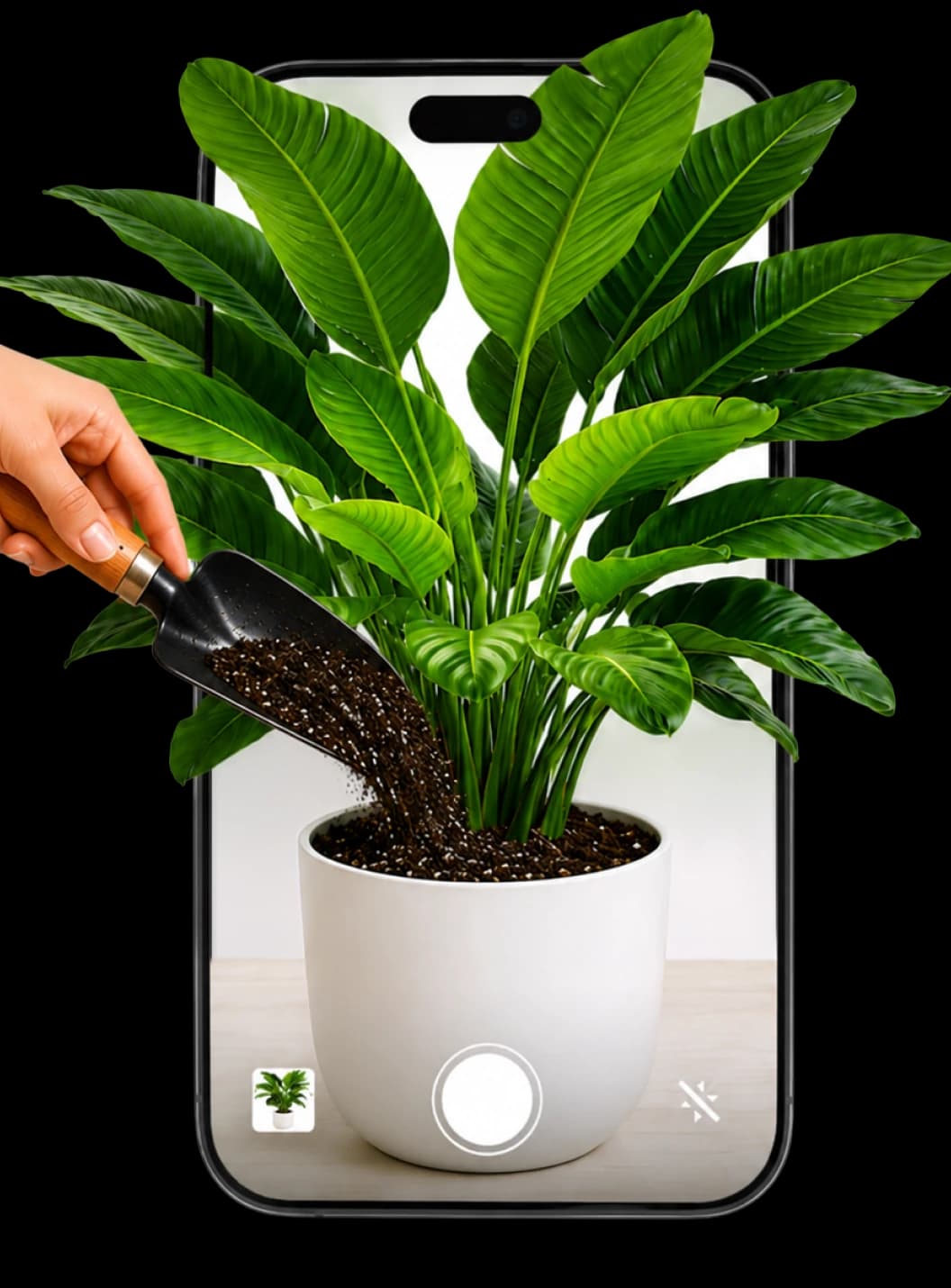
Scan for Better Soil

Botan can help identify the plant and guide a more suitable soil choice based on how its roots and growth habit typically behave.

FAQ

Yes. A pot with enough depth helps the root system settle into a stable, evenly draining profile. Very shallow pots can dry unevenly and limit anchoring, while excessive depth can leave lower layers wet too long.

More Plant Soil Guides

Check Your Soil Choice

If a plant looks off, Botan can help assess whether the current soil may be part of the issue from a photo-based check.

Botan app helping with soil and plant care
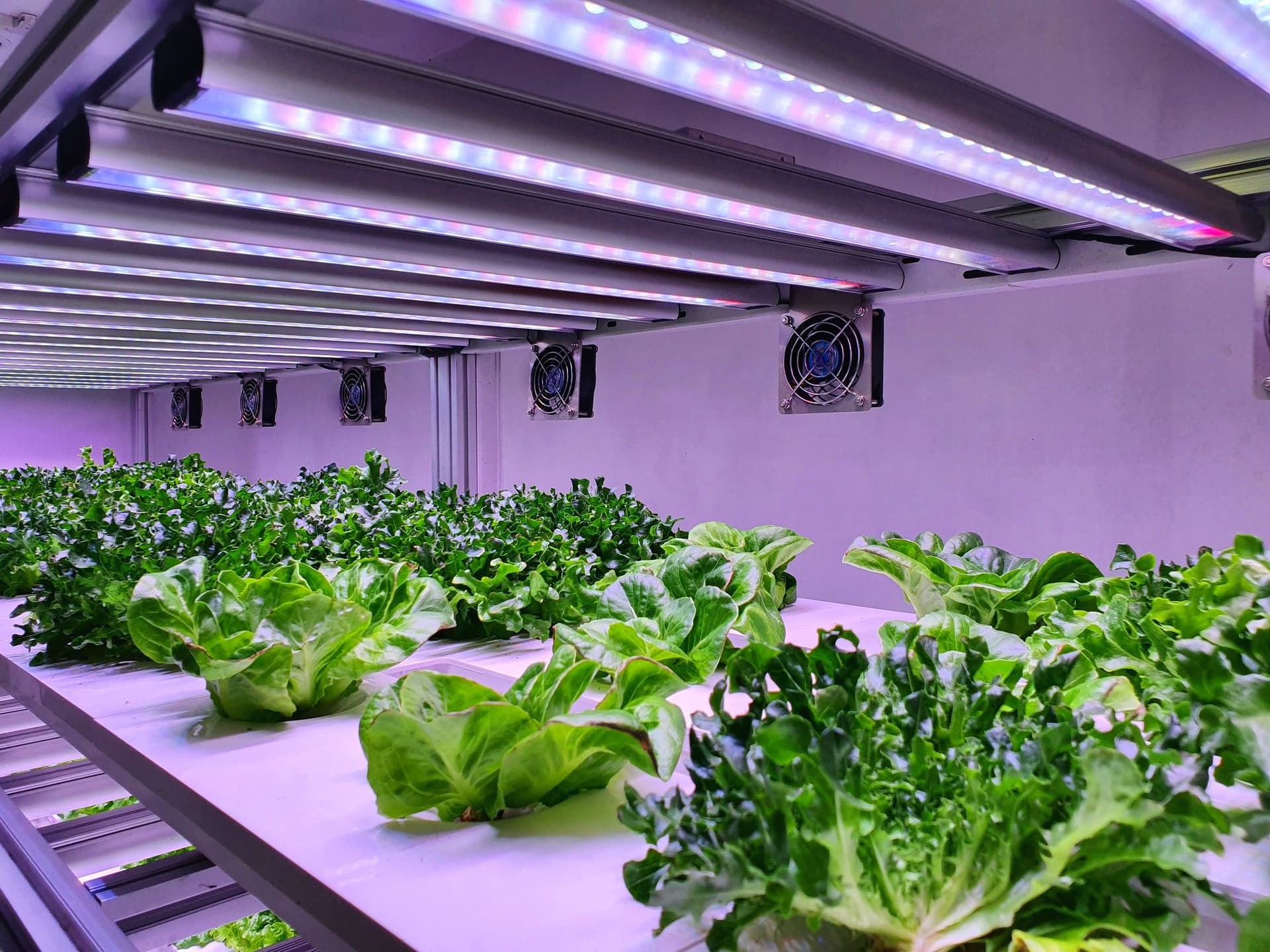
Can Plants Grow With Artificial Light?

6 min read · 15 Sept 2026

Can Plants Grow With Artificial Light?

Plants can grow under artificial light when the setup provides a suitable spectrum, enough intensity, and sufficient daily exposure. This guide explains how artificial lighting compares with sunlight, which options work indoors, and how to match a setup to houseplants.

Plant Care
Can Plants Grow With Artificial Light?
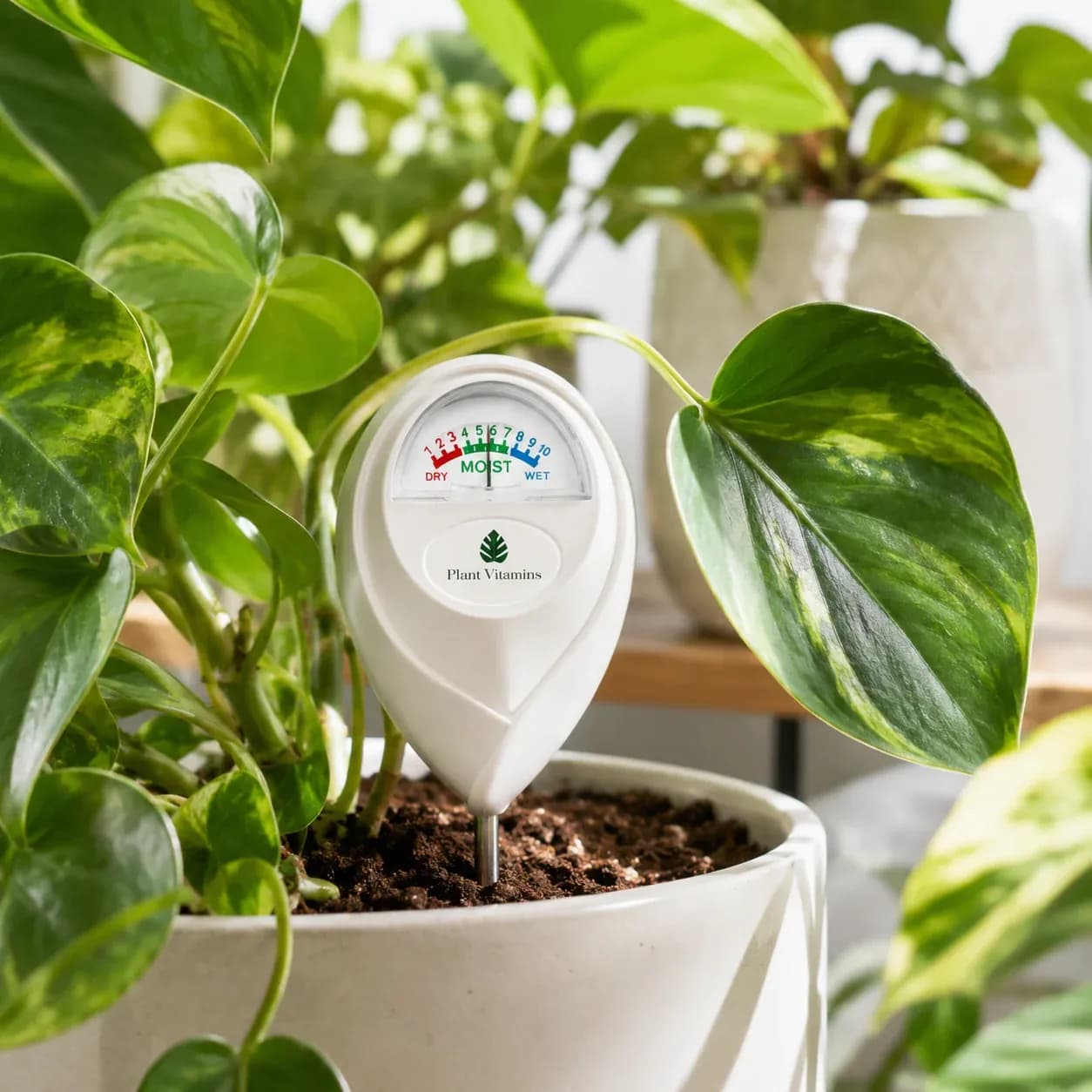
How to Use a Moisture Meter for Plants

5 min read · 4 Sept 2026

How to Use a Moisture Meter for Plants

Watering by feel kills plenty of houseplants. A moisture meter checks the soil for you, and takes the guesswork out of it. This guide will show you how to use it correctly, from the first touch to the final reading.

Beginner Guides
How to Use a Moisture Meter for Plants
Top 15 Fast-Growing Trees For Your Garden

13 min read · 28 Jul 2026

Top 15 Fast-Growing Trees For Your Garden

Learn which of the 15 fastest-growing trees will suit your area. We’ll share detailed information on each: growth rate, mature spread, key tree demands, and main vulnerabilities. Read on and make the best choice possible.

Plant Recommendations
Top 15 Fast-Growing Trees For Your Garden