


Best Soil for Bromeliad (Aechmea blanchetiana)

Aechmea blanchetiana grows best in a loose, well-drained mix that supports airflow around the roots and steady plant health.

Soil Texture

Sandy, Loamy, Organic-rich

Soil pH

Acidic (5.5–6.5), Slightly acidic (6.5–7.0)

Soil Drainage

Well-drained

Aechmea blanchetiana Soil Guide

Native to eastern Brazil, Aechmea blanchetiana grows in warm coastal habitats where roots get air and shed excess water quickly. That background explains why Bromeliad soil should feel open and well-drained rather than dense or wet for long periods.

Its root system is relatively small and used more for anchoring than for pulling heavy moisture from deep soil. The best soil for Bromeliad holds some moisture and organic matter, but still stays loose, sandy to loamy, and slightly acidic so air can move around the roots.

A custom mix helps control drainage and texture more precisely for Aechmea blanchetiana. It is a practical option when standard indoor potting soil feels too dense.

100% total mix = 20 scoops
10%
coarse sand2 scoops
10%
compost or worm castings2 scoops
20%
perlite or pumice4 scoops
25%
coco coir or peat moss5 scoops
35%
orchid bark or fine pine bark7 scoops

The finished mix should feel light, chunky, and springy in the hand, with quick flow-through and only mild moisture hold between waterings.

A slightly acidic to near-neutral range of about 5.5–7.0 suits Bromeliad well. Within that range, key nutrients stay available without making the root zone overly sharp or chemically imbalanced.

If pH moves far outside this window, the plant may have a harder time taking up nutrients even when the mix itself seems suitable. A moderately acidic mix is usually the most reliable choice.

This species is more sensitive to stale, airless root conditions than to brief dryness. Soil can be one possible factor when growth seems off.

Dense mix:

Dense mix: If the root zone stays heavy and compact, roots may struggle for air, so loosen the medium and check that excess moisture can move out freely.

Sour soil smell:

Sour soil smell: A stale or swampy odor often points to poor oxygen in the container, so let the mix dry slightly and inspect drainage first.

Crusted surface:

Crusted surface: Mineral buildup or compressed fines can seal the top layer, so gently break the crust and replace the upper portion with fresher material.

Unstable base:

Unstable base: If Aechmea blanchetiana wobbles in the pot, the mix may be too loose around the roots, so firm it lightly without packing it tight.

Right Plant. Right Soil.

Botan helps match this plant to a more suitable growing medium, so soil choices are based on real care needs rather than guesswork.

FAQ

Yes. Drainage holes help excess moisture leave the container, which keeps the root zone better aerated and lowers the chance of stale, waterlogged Bromeliad soil.

More Plant Soil Guides

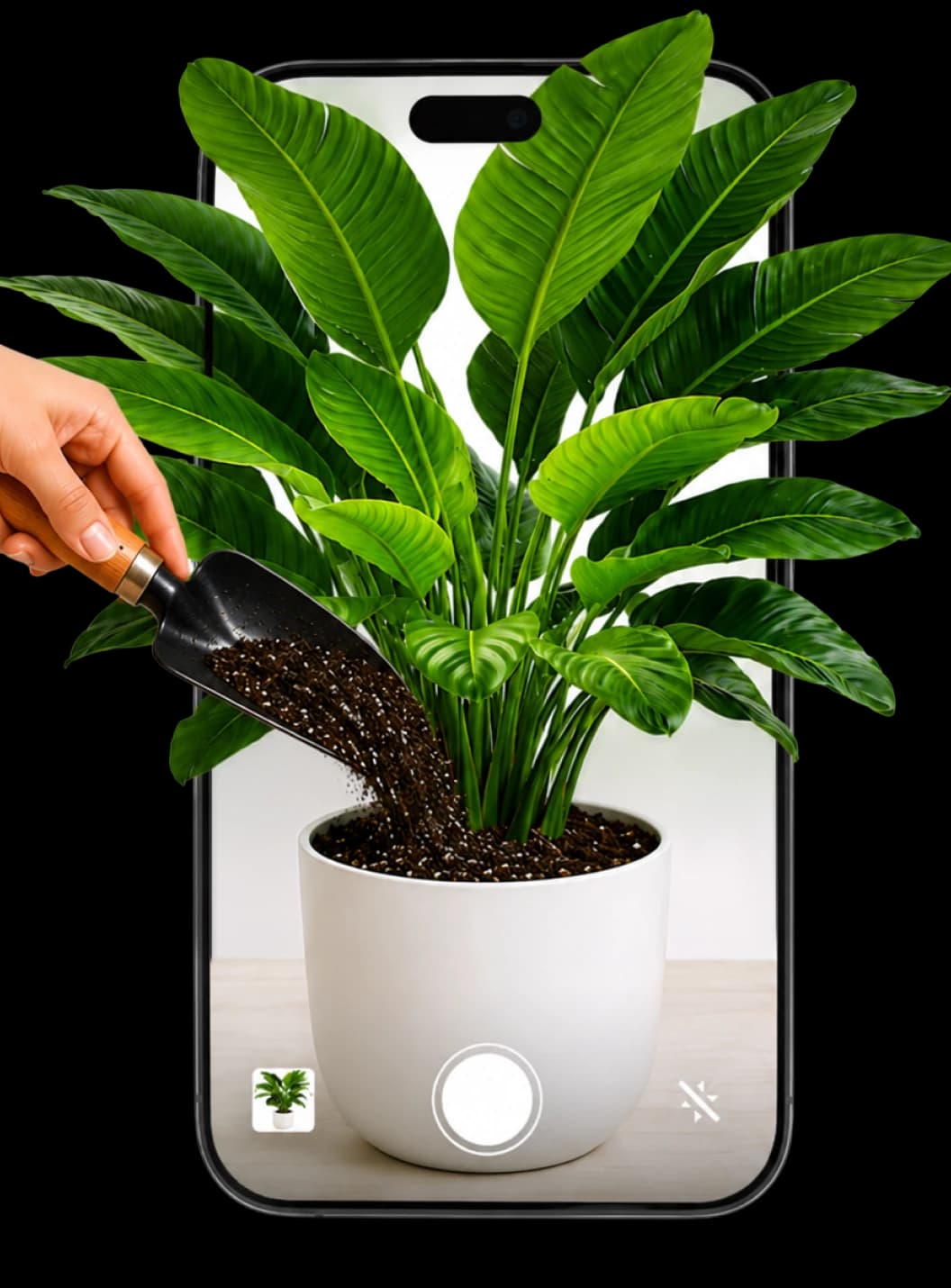
Soil Problem? Scan It.

A photo-based check can help show whether a visible issue may be linked to the root environment. Botan helps narrow down possible soil-related causes.

Botan app helping with soil and plant care
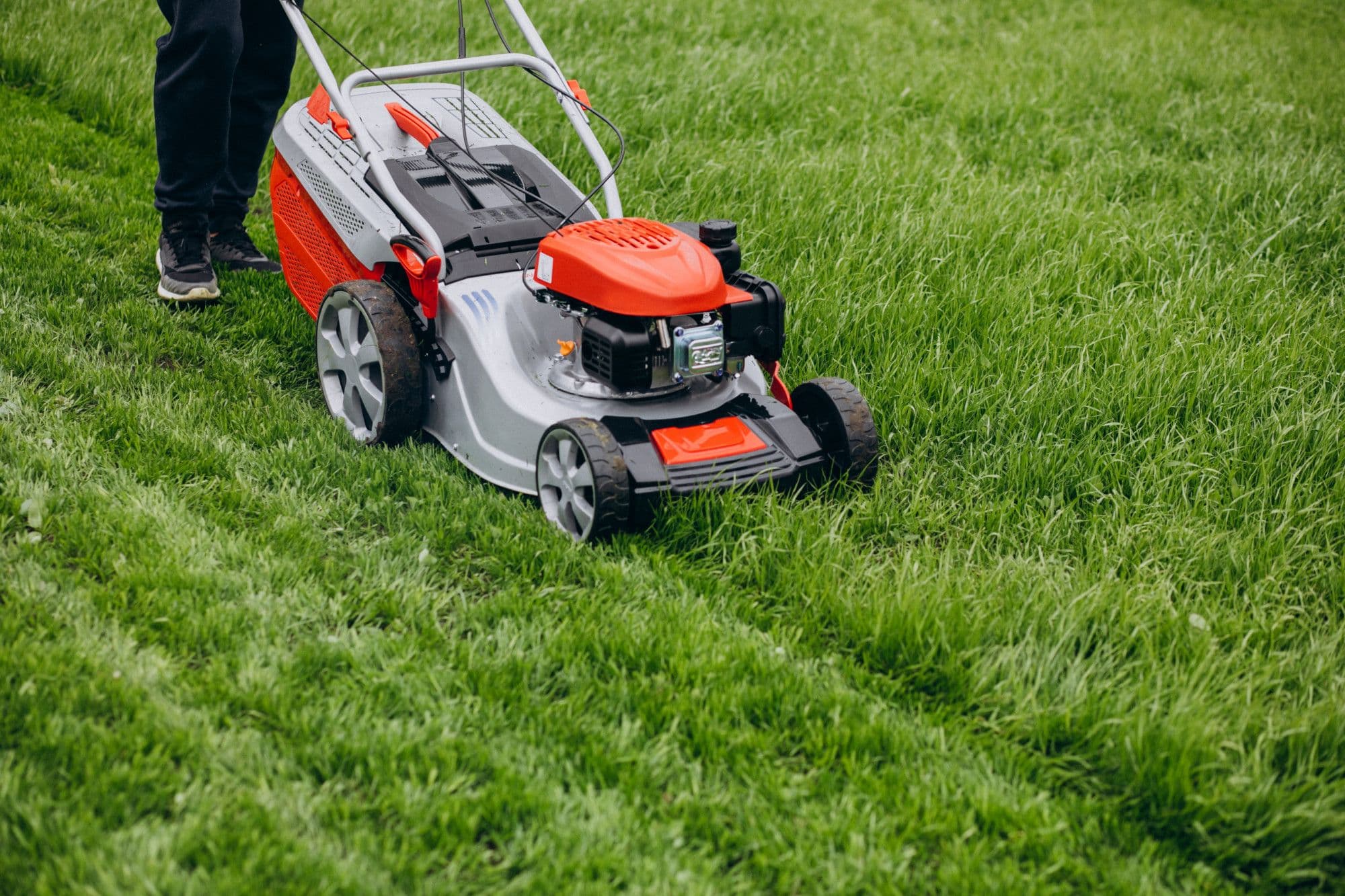
Best Time to Mow Lawn – A Complete Guide

5 min read · 10 Aug 2026

Best Time to Mow Lawn – A Complete Guide

Explore when to mow your lawn for its health and a pleasant green color. Find out the best time for this task during the summer heat, and follow practical tips for correctly cutting the grass, and learn common mistakes to avoid.

Plant Care
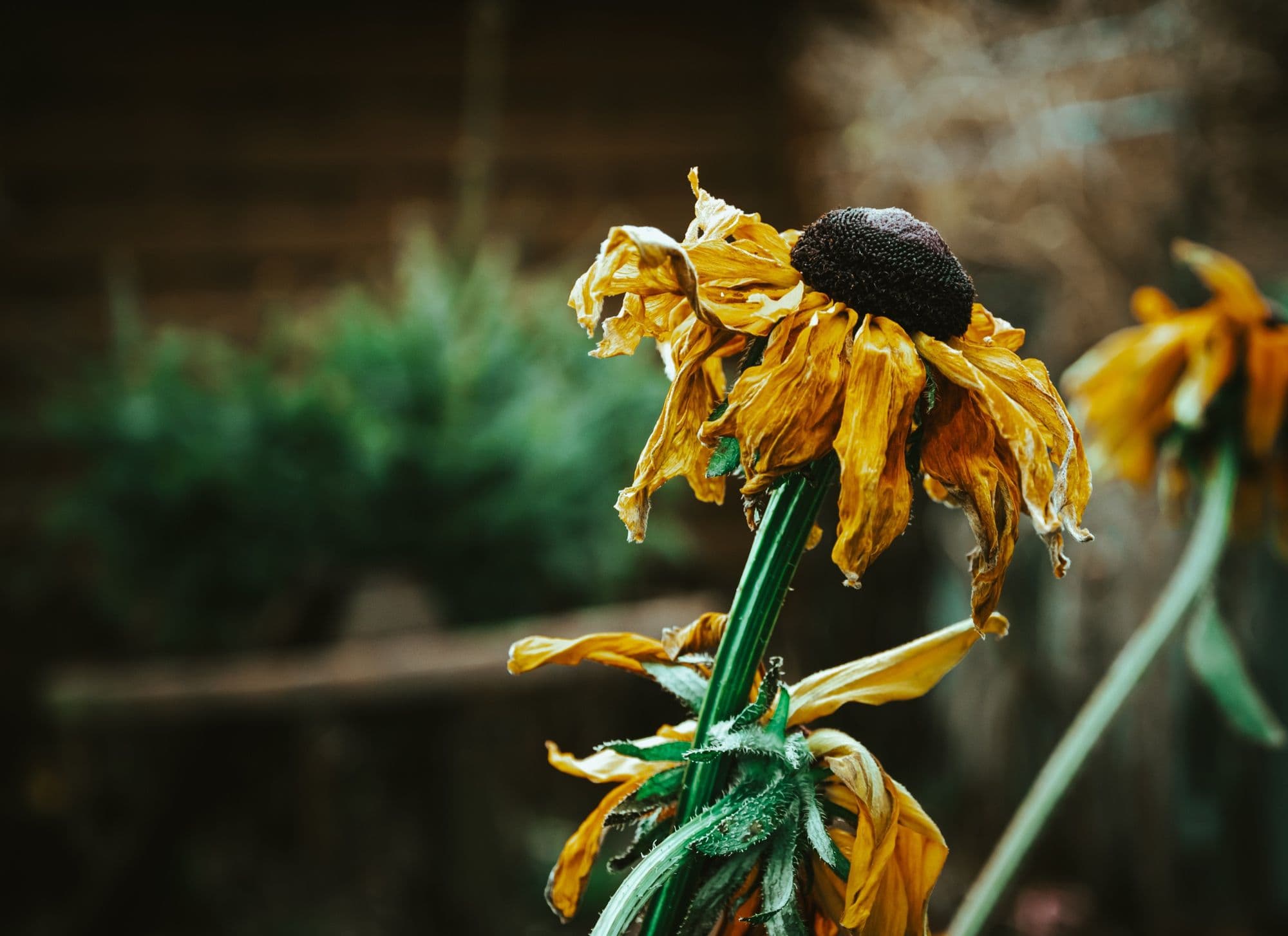
Best Time to Mow Lawn – A Complete Guide
How to Tell if a Plant Is Dead

6 min read · 19 Aug 2026

How to Tell if a Plant Is Dead

A plant can lose its leaves, stop growing, or collapse and still remain alive. A closer look at the stems, roots, bulbs, and tubers can show whether the plant still has a chance to recover.

Beginner Guides
How to Tell if a Plant Is Dead
How to Mist Plants – Proper Technique and Common Mistakes

7 min read · 30 Jul 2026

How to Mist Plants – Proper Technique and Common Mistakes

Find out when misting works well and when to avoid it. Here, you’ll find detailed information about compatible and incompatible species, tips on how often to mist plants and do it correctly, and some great alternatives for raising humidity.

Beginner Guides
How to Mist Plants – Proper Technique and Common Mistakes