Bromeliad (Aechmea blanchetiana) Watering Guide

This page explains when, how often, and how much to water Aechmea blanchetiana for practical, reliable care guidance.

Water Requirements

Moderate Water

Aechmea blanchetiana Watering

This sun-loving bromeliad comes from seasonally wet, warm regions, so it tolerates brief dryness but not long, soggy periods. Aechmea blanchetiana prefers lightly moist soil that dries a bit between waterings, especially in outdoor beds or landscapes.

In containers, it benefits from more frequent monitoring than in the ground, where soil volume buffers moisture swings. These basics give a starting point for watering Bromeliad before adjusting to climate, exposure, and plant size.

For Aechmea blanchetiana, let the potting mix dry out in the top 1–2 inches (3–5 cm) before watering again, and keep the central cup from fully drying. This usually means watering about once a week indoors, less in cool seasons and more in hot, bright outdoor conditions.

Water Aechmea blanchetiana when the top soil feels nearly dry and the central tank is not completely full.

  • Pour room-temperature water slowly into the central rosette until about halfway full, avoiding constant overflow onto surrounding soil.
  • Water the potting mix around the base, adding enough to evenly moisten the root zone without leaving it soggy.
  • Let excess water drain freely from the pot, then empty saucers so the container does not sit in standing water.
  • Refresh the rosette water regularly by rinsing and refilling, keeping old, stagnant water from collecting in the tank.

Incorrect moisture balance can trigger several health problems for Aechmea blanchetiana in cultivation.

Central Cup Rot:

Brown, mushy leaf bases around the water-holding cup indicate stagnant water and poor air movement.

Leaf Tip Browning:

Dry, crispy tips on outer leaves often follow prolonged drought or consistently low household humidity.

Bleached Or Pale Leaves:

Faded, washed-out foliage suggests strong sun combined with insufficient water in the central reservoir.

Root And Pups Decline:

Loose, wobbling plant with shrinking pups usually means roots suffocating in dense, chronically wet mix.

Maintain a lightly moist central cup and fast-draining roots, avoiding both drought and soggy substrate.

Poor watering habits can stress Aechmea blanchetiana bromeliad, weakening its foliage color and growth and shortening its overall lifespan.

  • Following a fixed schedule: Watering by calendar instead of checking soil and cup moisture can drown roots or dry them; adjust timing to current conditions.
  • Using dense, moisture‑holding soil: Heavy potting soil keeps water around the roots too long; switch to a fast‑draining mix with bark, perlite, or coarse material.
  • Leaving water in saucers: Letting runoff sit under the pot keeps roots constantly wet; always empty saucers shortly after watering so excess can escape.

Aim for a well‑drained mix, containers that release excess water, and flexible watering guided by soil feel and plant response.

  • Spring: Growth picks up; refresh the central cup often and water potting mix lightly once it nearly dries, especially for bright indoor plants.
  • Summer: In strong heat or outdoor sun, keep the cup filled with fresh water and check mix more often to avoid complete dryness.
  • Fall: As temperatures ease, let the cup empty briefly between refills and allow the mix to dry a bit deeper before watering.
  • Winter: In cooler or low-light conditions, keep the cup only partially filled, drain and refresh less often, and water the mix sparingly.

Your Bromeliad Care Companion

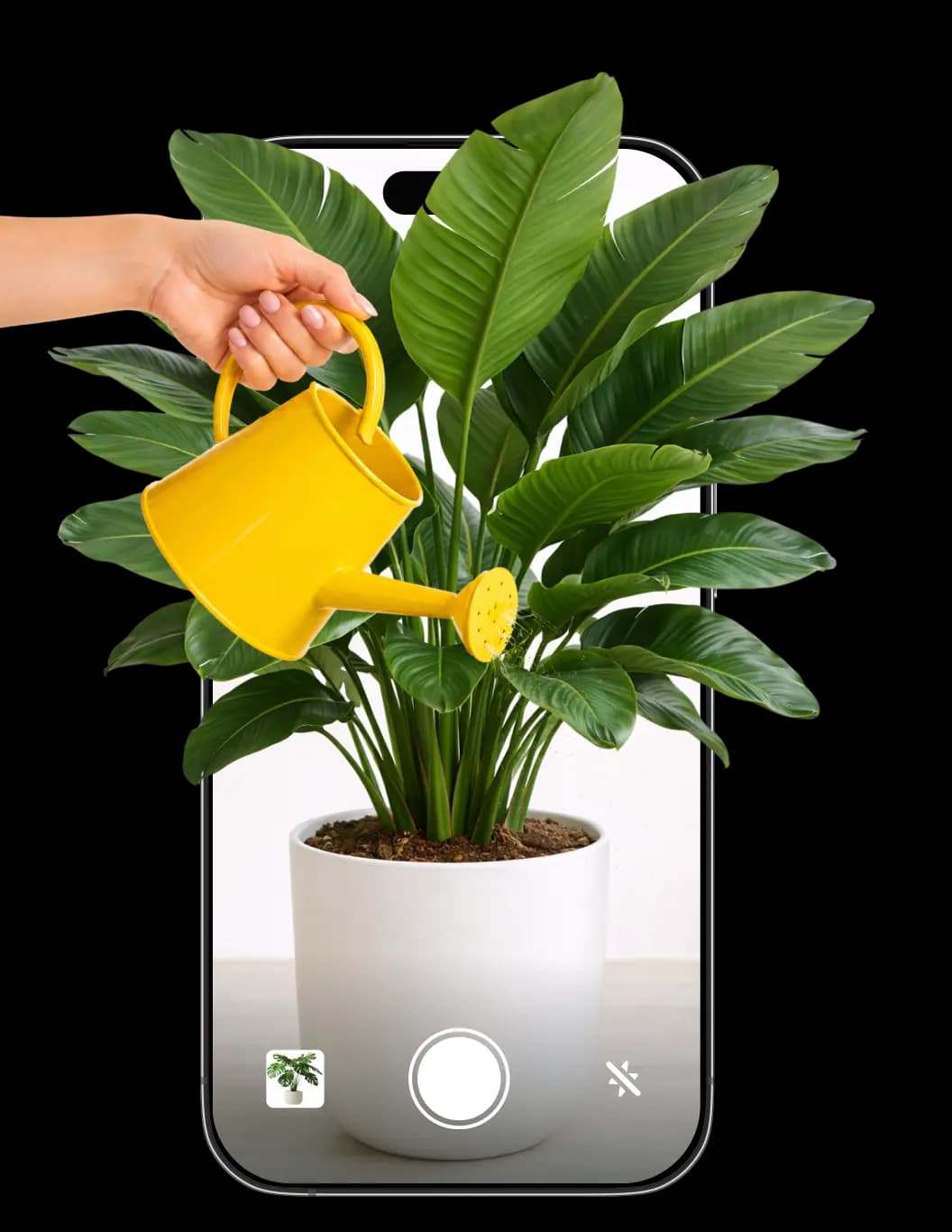
Use Botan for a tailored watering guide and simple care steps for Aechmea blanchetiana, plus gentle photo-based checkups that help spot early signs of stress or other issues.

Botan plant care app — identify plants on mobile

Interesting Watering Facts

Tank-dependent epiphyte

In nature, Aechmea blanchetiana grows as an epiphyte or lithophyte and depends heavily on the central leaf tank to trap rainwater and leaf litter, so the rosette water reservoir is more critical for its hydration than consistently moist roots.


Adapted to intense sun

Native to exposed coastal areas of eastern Brazil, this species tolerates strong sun and periodic drying, relying on its thick, waxy leaves and water stored in the central tank rather than constant soil moisture.

Salt-tolerant rainfall capture

Along Brazilian restinga (coastal scrub) habitats, Aechmea blanchetiana endures salty sea breezes and irregular rainfall, capturing fresh rain in its tank while its tough foliage reduces water loss under drying, wind-exposed conditions.

FAQ

Yes. Standing water around the pot keeps roots constantly wet and reduces oxygen, which encourages rot. Empty the saucer after watering so excess moisture can drain away fully and the mix can partly dry.

More Plant Watering Guides

Is Your Watering Routine Hurting Your Bromeliad?

Botan reviews your watering pattern so adjustments are clearer and more confident.

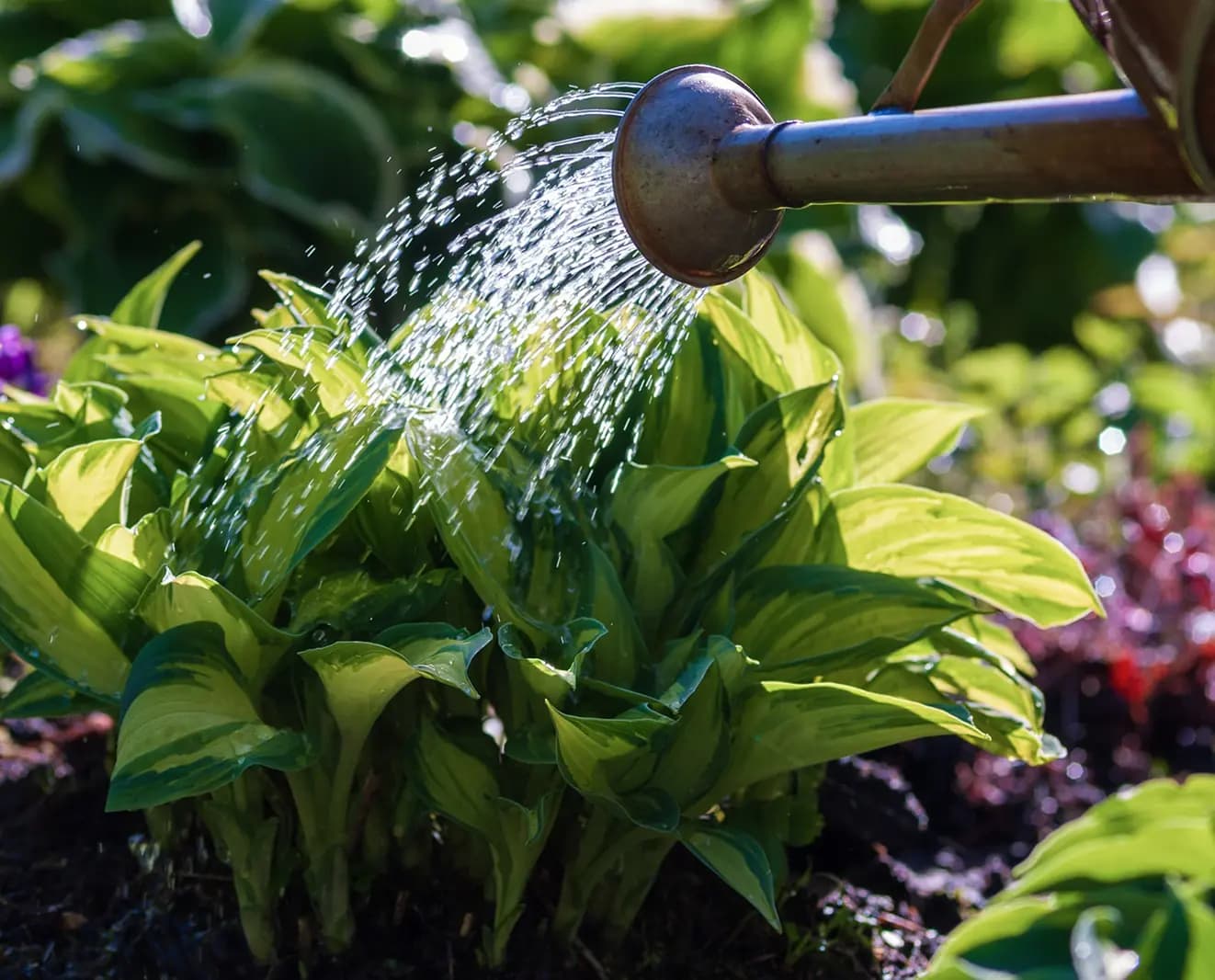
Watering a plant with a copper watering can
Best Time to Mow Lawn – A Complete Guide

5 min read · 10 Aug 2026

Best Time to Mow Lawn – A Complete Guide

Explore when to mow your lawn for its health and a pleasant green color. Find out the best time for this task during the summer heat, and follow practical tips for correctly cutting the grass, and learn common mistakes to avoid.

Plant Care
Best Time to Mow Lawn – A Complete Guide
12 Best Plants That Repel Spiders For Your Home and Garden

8 min read · 24 Jul 2026

12 Best Plants That Repel Spiders For Your Home and Garden

Spiders constantly appear in places you don't want them. A few common plants can help repel them using scent alone. Here are 12 options suitable for both indoors and outdoors, plus care tips for each.

Plant Recommendations
12 Best Plants That Repel Spiders For Your Home and Garden
How Often to Water Fruit Trees

7 min read · 11 Aug 2026

How Often to Water Fruit Trees

Irrigation needs change as roots establish and weather shifts. This guide gives practical starting intervals, explains how soil and tree type change them, and shows how to recognize both excess moisture and drought stress.

Plant Care
How Often to Water Fruit Trees