Norfolk Island Pine (Araucaria heterophylla) Watering Guide

This page explains when, how often, and how much to water Araucaria heterophylla for steady, reliable care.

Water Requirements

Moderate Water

Araucaria heterophylla Watering

Native to oceanic, wind-exposed cliffs, Norfolk Island pine experiences light, regular moisture rather than soggy ground. Araucaria heterophylla indoors prefers slightly moist soil that never becomes waterlogged or bone dry.

For watering Norfolk Island Pine, allow the top layer of potting mix to approach dryness, then re-moisten evenly. Outdoor landscape trees usually rely on natural rainfall once established, while indoor container plants depend on more attentive, steady watering habits.

Water when the top 1–2 inches (3–5 cm) of soil feel dry, as this species dislikes staying soggy but should not fully dry out. Indoors, this typically means watering about every 7–14 days, with brighter light or warmer rooms shortening the interval and lower light or cooler conditions extending it.

Water Norfolk Island Pine when the top 1-2 inches (3-5 cm) of soil feel dry, giving a slow, even soak.

  • Pour room-temperature water over the soil surface, circling the pot so moisture distributes evenly around the root zone.
  • Continue adding water until it begins to drain from the bottom holes, ensuring the entire root ball is thoroughly moistened.
  • Let the pot drain fully, then empty saucers or decorative cachepots so the container does not sit in standing water.
  • Keep water off the foliage and trunk by directing the flow close to the soil, avoiding wetting the layered branches.

Incorrect moisture balance may stress Araucaria heterophylla and lead to several avoidable problems.

Brown Branch Tips:

Outer needle tips dry and brown from chronic underwatering, low humidity, or prolonged heat exposure.

Yellowing Lower Foliage:

Older inner branches yellow and drop when roots sit in soggy soil lacking oxygen exchange.

Mushy Roots:

Roots feel soft, dark, and foul-smelling due to severe overwatering and poor drainage conditions.

Hard, Pulling Soil:

Potting mix shrinks from the pot edge and resists rewetting after repeated underwatering.

Keep roots in lightly moist, well-drained soil, avoiding both bone-dry extremes and saturated conditions.

Unsuitable watering habits can stress Araucaria heterophylla, weakening growth and making Norfolk Island pine more sensitive to temperature and light changes.

  • Watering by calendar: Following a strict schedule ignores seasonal changes; instead, check the top soil layer and water only when it feels mostly dry.
  • Poor soil mix: Using dense, moisture-holding soil keeps roots wet too long; choose a chunky, fast-draining mix with materials like bark or perlite.
  • Letting saucers fill: Leaving runoff in the saucer forces roots to sit in water; empty it within a few minutes after each watering.

Focus on deep, occasional watering into well-draining soil, guided by how quickly the mix dries rather than by the calendar.

  • Spring: As brighter light returns and growth resumes, slightly increase watering, letting the top 1–2 inches of mix dry between waterings.
  • Summer: In warm, bright conditions and faster growth, monitor moisture more often and water thoroughly when the top layer feels dry, avoiding soggy soil.
  • Fall: As growth slows and indoor light drops, extend the time between waterings while still preventing the root ball from drying out completely.
  • Winter: During cool, lower-light conditions and partial dormancy, water more sparingly, allowing deeper dryness but never letting the entire pot dry hard.

Track Watering. Catch Problems Early

Botan provides a simple watering guide and care reminders tailored to Araucaria heterophylla, and can also help flag possible issues early through easy photo-based checkups.

Botan plant care app — identify plants on mobile

Interesting Watering Facts

Salt-laden mist tolerance

In its native Norfolk Island habitat, this species grows near sea cliffs where it regularly receives salt-laden ocean spray instead of fresh rainfall, which helps explain its tolerance for occasional minor salt in tap water compared with many indoor tropical species.


Fog and drizzle reliance

Wild populations often rely on frequent fog, drizzle, and light showers rather than heavy downpours. The canopy intercepts this fine moisture, which then trickles down the trunk and roots, supporting growth in thin, freely draining volcanic soils.

Shallow but wide root spread

On windy coastal slopes, the tree develops a broad, relatively shallow root system to capture scattered surface moisture from light rains. In containers this translates to preferring evenly moist substrate across the whole pot rather than deep, infrequent soaking with prolonged drying.

FAQ

Use room-temperature water, roughly 65–75°F (18–24°C). Very cold or hot water can shock roots and cause needle drop. Let tap water sit until it reaches indoor temperature before irrigating.

Everything About Norfolk Island Pine

More Plant Watering Guides

Is Your Watering Routine Hurting Your Norfolk Island Pine?

Use Botan to review your watering pattern and adjust it with confidence.

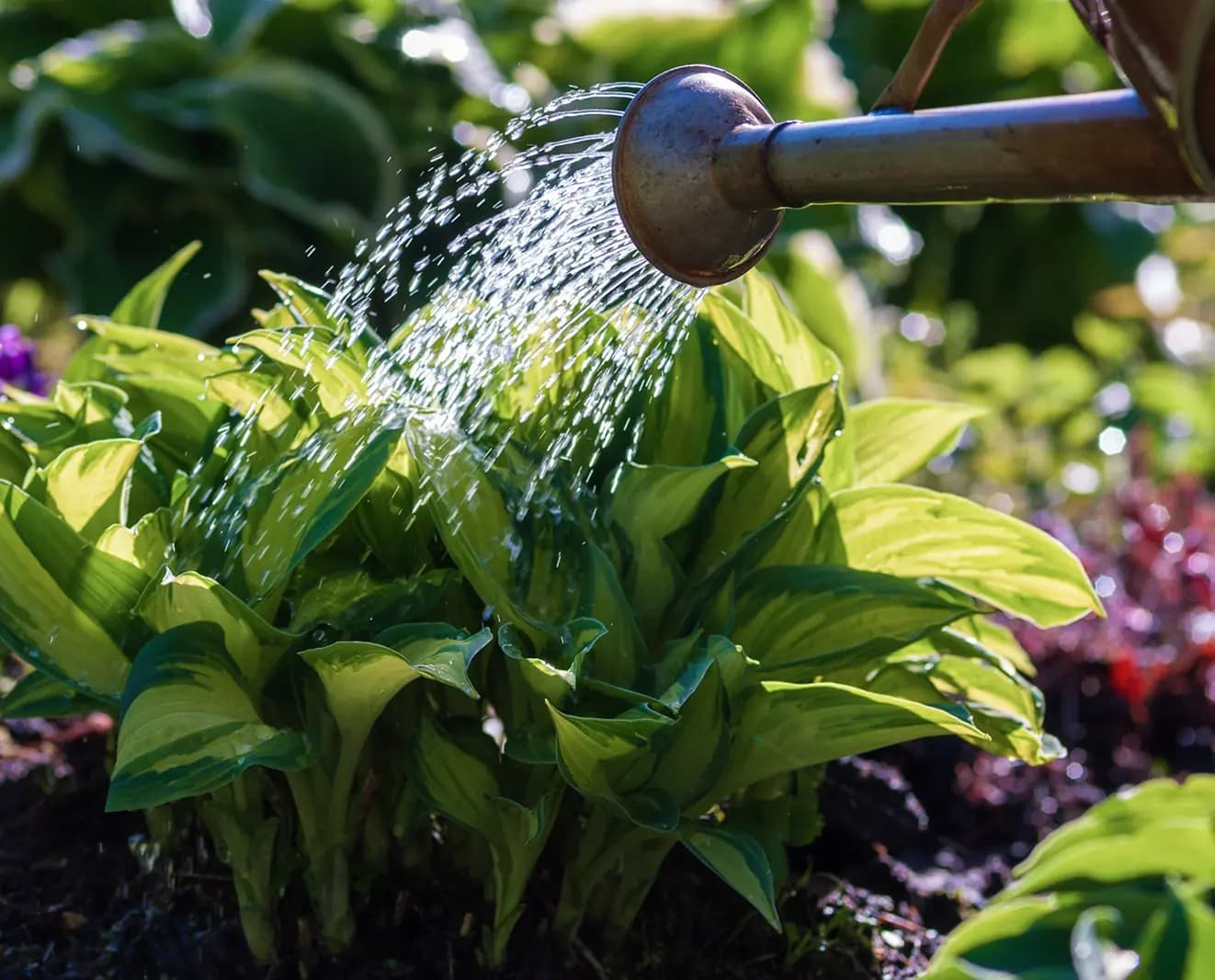
Watering a plant with a copper watering can
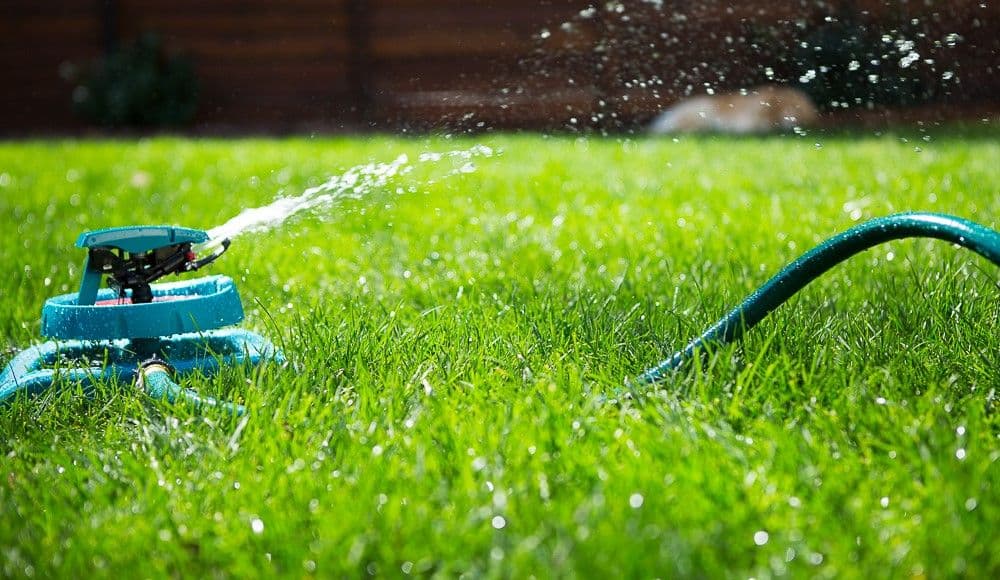
Best Time to Water Grass in Summer – Lawn Watering Tips

5 min read · 21 Jul 2026

Best Time to Water Grass in Summer – Lawn Watering Tips

Summer watering is easy to get wrong. This guide explains when to turn on your sprinkler, how much liquid your grass needs each week, and how to tell if you're overwatering or underwatering.

Plant Care
Best Time to Water Grass in Summer – Lawn Watering Tips
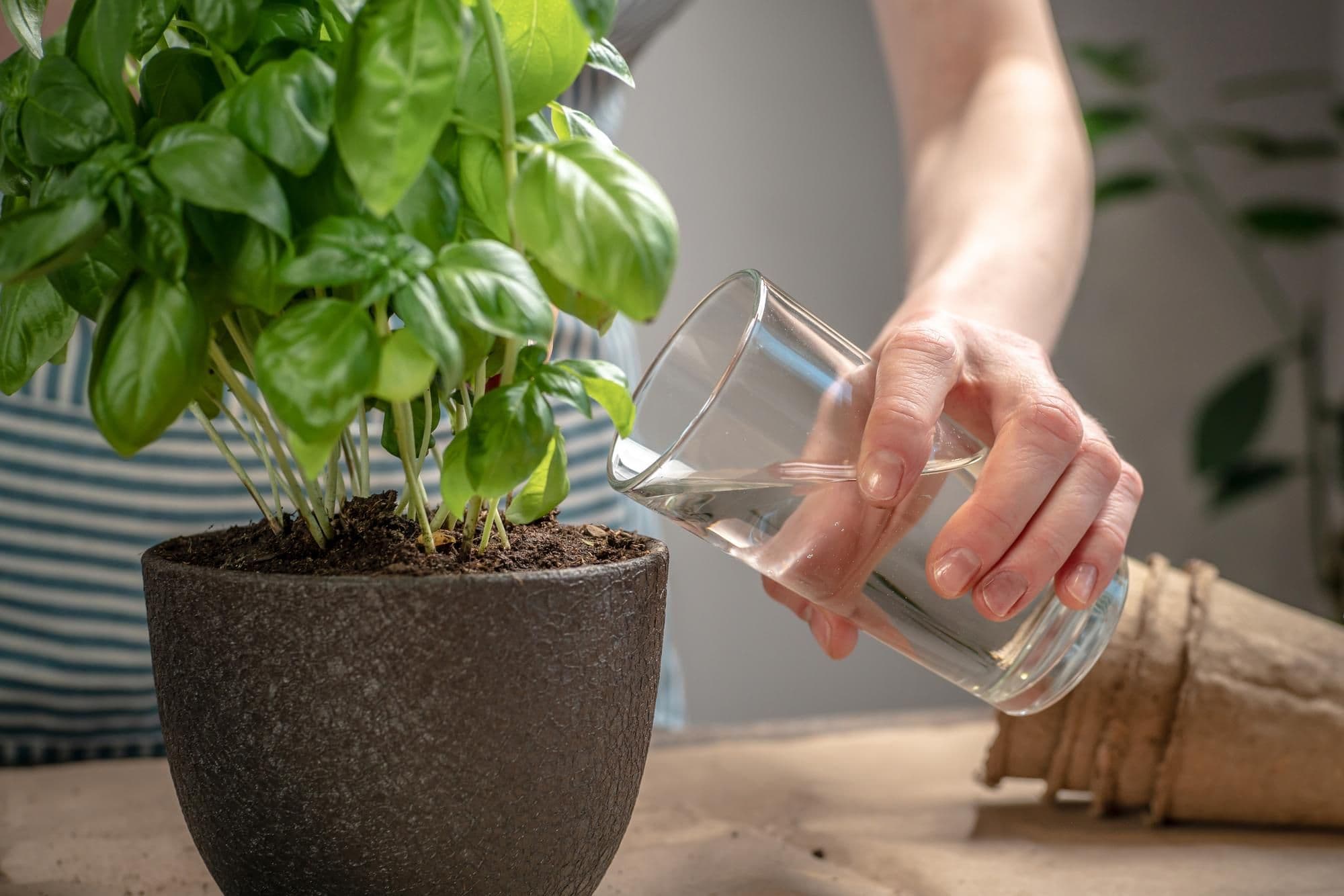
Best Water for Plants – How to Choose the Right Type

7 min read · 13 Aug 2026

Best Water for Plants – How to Choose the Right Type

Rainwater, filtered, distilled, and tap water affect plants differently. Learn which types support healthy growth and which cause slow damage. Match each to your plants and discover how to easily improve tap water quality.

Plant Care
Best Water for Plants – How to Choose the Right Type
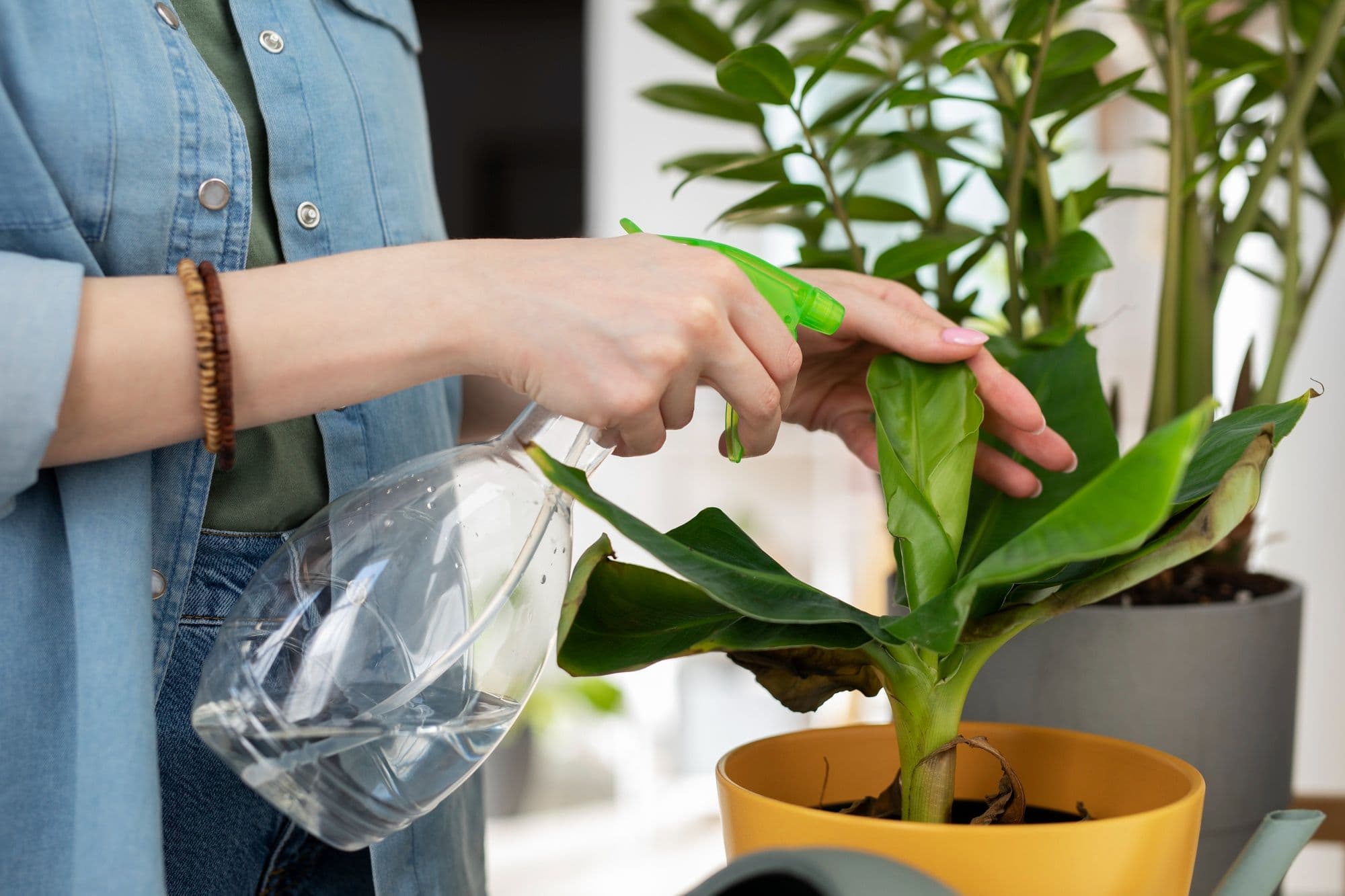
How to Mist Plants – Proper Technique and Common Mistakes

7 min read · 30 Jul 2026

How to Mist Plants – Proper Technique and Common Mistakes

Find out when misting works well and when to avoid it. Here, you’ll find detailed information about compatible and incompatible species, tips on how often to mist plants and do it correctly, and some great alternatives for raising humidity.

Beginner Guides
How to Mist Plants – Proper Technique and Common Mistakes