button fern (Hemionitis rotundifolia) Watering Guide

This page explains when, how often, and how much to water Hemionitis rotundifolia in typical indoor conditions.

Water Requirements

Keep Soil Moist

Hemionitis rotundifolia Watering

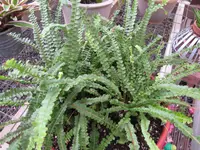
This guide on watering button fern focuses on keeping soil lightly and evenly moist without becoming soggy. In its native tropical forest habitat, Hemionitis rotundifolia grows where humidity is high and the ground rarely dries completely.

Indoors, the basic approach is steady moisture with brief, shallow drying of the surface only. Outdoor or greenhouse plants tolerate slightly more fluctuation, but still respond best to gentle, consistent moisture rather than pronounced drought.

Water when the top 1–2 inches (3–5 cm) of soil feel barely dry but the mix below is still slightly moist. This species dislikes full drying. In bright indoor light or warm rooms, it typically needs watering every few days; in lower light or cooler spots, intervals usually lengthen noticeably.

Water button fern when the top 0.5 inch (1 cm) feels barely moist, keeping soil evenly damp but never saturated.

  • Pour room‑temperature water slowly over the soil surface, circling the pot so moisture spreads evenly through the root zone.
  • Continue watering until a modest trickle appears from the drainage holes, then stop so the mix does not become soggy.
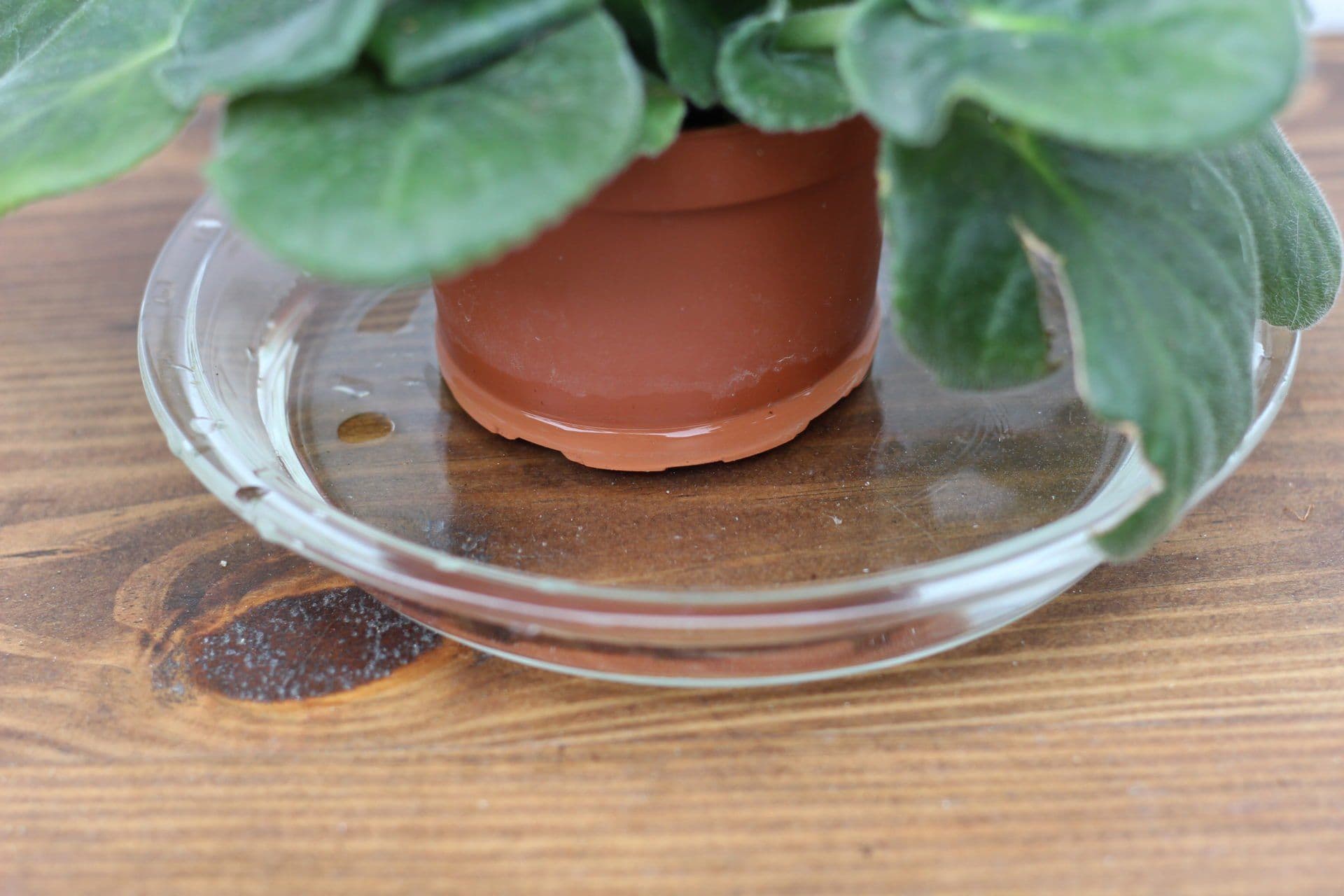
  • Let excess water drain fully from the saucer within 10 minutes to maintain consistent moisture without waterlogging the roots.

Incorrect moisture levels may trigger health problems for Hemionitis rotundifolia over time indoors.

Crisp Brown Leaf Edges:

Dry, papery margins develop when soil stays too dry and humidity remains consistently low.

Yellowing Lower Fronds:

Older fronds turn dull yellow when roots sit in soggy, poorly drained potting mix.

Drooping Yet Damp Fronds:

Limp, folding fronds despite moist soil indicate oxygen-starved roots from chronic overwatering.

Blackened Rhizomes Or Roots:

Dark, mushy underground parts signal progressive rot from prolonged saturation and inadequate drainage.

Wilting With Bone-Dry Soil:

Fronds collapse and lose sheen once the mix fully dries and capillary moisture is exhausted.

Keep the mix lightly moist with good drainage, avoiding both complete dryness and prolonged saturation.

Unsuitable watering habits can quickly stress Hemionitis rotundifolia, since this button fern prefers steady moisture without long floods or droughts.

  • Watering by calendar: Following a fixed schedule ignores changing light, temperature, and pot size; instead, water when the top surface just begins to feel barely dry.
  • Dense, soggy potting mix: Using heavy garden soil holds water too long; choose a loose peat- or coco-based mix with fine bark or perlite for airflow.
  • No drainage or blocked holes: Growing in decorative pots without open drainage keeps roots submerged; use containers with clear holes and empty cachepots after watering.

The safest approach is consistent, moderate moisture in a breathable mix, guided by how damp the potting medium actually feels.

  • Spring: New fronds emerge, so keep the mix evenly moist and slightly increase watering as days brighten but temperatures stay moderate.
  • Summer: Heat and faster evaporation can dry the shallow roots; check moisture more often and use lukewarm water to avoid shock.
  • Fall: Growth slows; allow the top surface to dry a bit more between waterings while preventing the root zone from becoming fully dry.
  • Winter: In cooler, lower-light rooms, reduce watering frequency but maintain lightly moist soil and avoid cold drafts that stress the fine roots.

Find the Right Watering Routine for Your button fern

Use Botan for a clear watering guide and simple care steps for Hemionitis rotundifolia, plus gentle photo-based checkups that help notice leaf problems and stress early.

Botan plant care app — identify plants on mobile

FAQ

Check soil moisture instead of using a strict schedule. In bright indoor light, watering every 5–7 days is common; in lower light, 7–10 days. Adjust how often to water based on how fast the top layer dries.

Everything About button fern

More Plant Watering Guides

Is Your Watering Routine Hurting Your button fern?

Use Botan to review watering patterns and see if moisture levels match your plant’s needs.

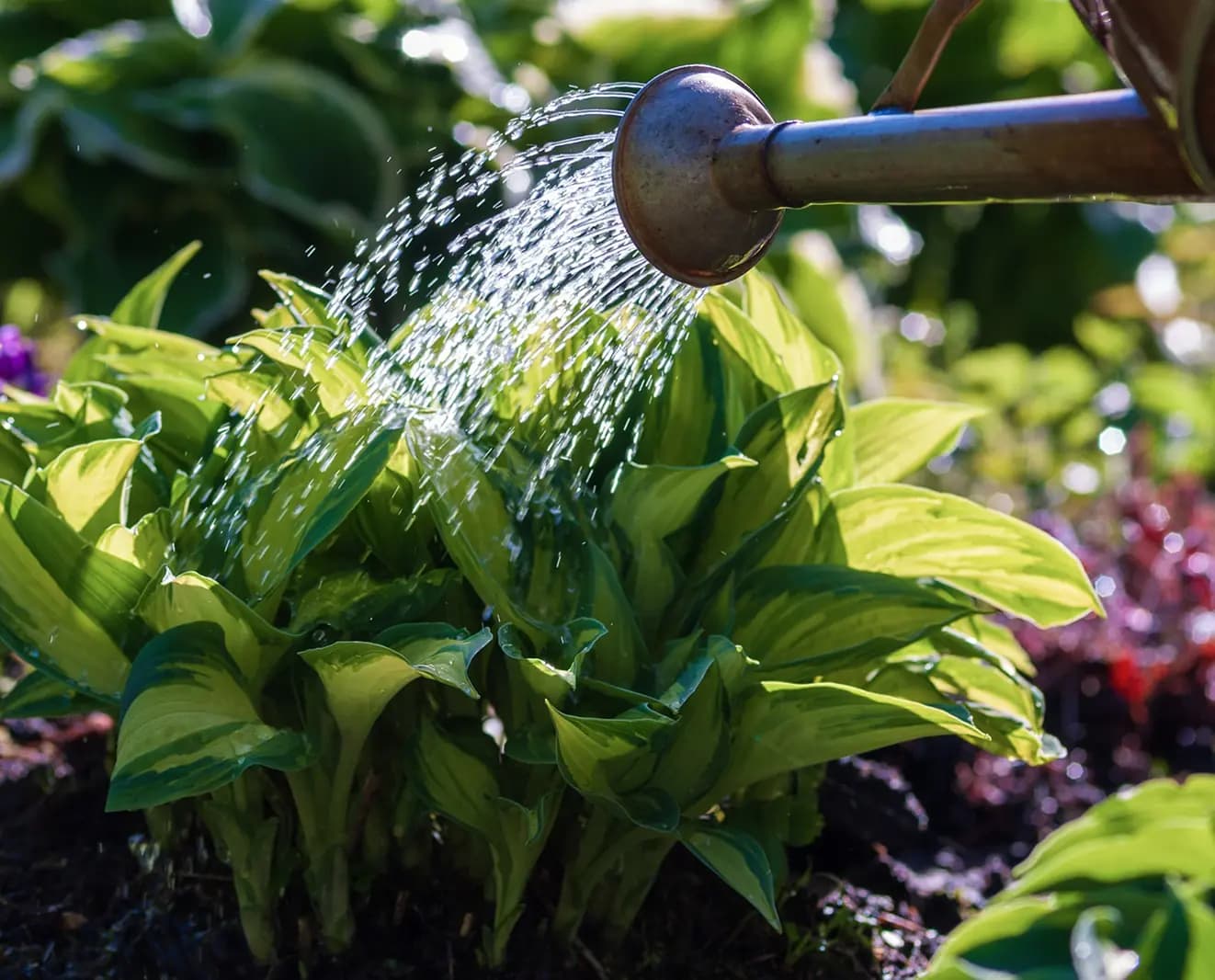
Watering a plant with a copper watering can
12 Most Wanted Rare Houseplants to Grow at Home

6 min read · 21 Sept 2026

12 Most Wanted Rare Houseplants to Grow at Home

Rare houseplants can turn an ordinary corner in your apartment into a living botanical collection. This guide covers 12 most admired picks, what makes them special, and how to grow them successfully at home.

Plant Recommendations

12 Most Wanted Rare Houseplants to Grow at Home
10 Easy Garden Flowers to Grow

8 min read · 10 Sept 2026

10 Easy Garden Flowers to Grow

Discover 10 garden flowers that require minimal care. Learn which characteristics make plants easy to grow and follow tips on how to create a beautiful corner from beginner-friendly blooms on your property.

Beginner Guides
10 Easy Garden Flowers to Grow
How to Bottom Water Plants: Complete Guide

6 min read · 13 Jul 2026

How to Bottom Water Plants: Complete Guide

Bottom watering helps soil absorb moisture evenly and keeps foliage dry, reducing the risk of missed dry spots or root problems. Place the pot in a tray of water for a short time, then let it drain well.

Plant Care
How to Bottom Water Plants: Complete Guide