10 Easy Garden Flowers to Grow
Discover 10 garden flowers that require minimal care. Learn which characteristics make plants easy to grow and follow tips on how to create a beautiful corner from beginner-friendly blooms on your property.

.jpg&w=1920&q=75)
Are you a beginner gardener who wants to decorate your yard with vibrant colors with little effort? Then grow low-maintenance flowers based on Botan’s advice.
In this article, we will take a look at 10 plants that don’t require much care.
These flowers are easy to grow from seed, bulbs, or seedlings. They require minimal pruning and need almost no special fertilization or regular pest control.
Flower | Mature High | Best for | Care Difficulty |
Marigold (Calendula officinalis) | 15-90 cm | Beds, borders. | Low |
Zinnia (Zinnia elegans) | 20-122 cm | Annual and mixed beds, borders, pollinator gardens. | Low |
Nasturtium (Tropaeolum majus) | 30-60 cm | Borders, window boxes, hanging baskets. | Low |
Sunflower (Helianthus annus) | 0.5-2 metres | Pollinator and edible gardens, fence lines. | Low |
English Daisy (Bellis perennis) | 15-30 cm | Lawns, English-style gardens. | Low |
Purple coneflower (Echinacea purpurea) | 0.1-0.5 metres | Borders, pollinator gardens, walkways, beds. | Low |
Daylily (Hemerocallis L.) | 30-46 cm | Rock gardens, borders, along banks, and slopes. | Low |
Daffodil (Narcissus pseudonarcissus) | 20-50 cm | Borders, beds, woodland gardens. | Moderate |
(Pelargonium zonale) | 1-1.5 metres | Pots on the patio, terrace, or near the entrance to the house. | Low |
Fuchsia (Fuchsia magellanica) | 0.5-1 metre | Beds, patio containers, borders, hanging baskets. |
1. Marigold
This easy-to-grow flower germinates quickly from seeds sown directly in the soil, so you don’t have to wait long for its vibrant orange, yellow, or red blooms. It thrives in 6-8 hours of direct sunlight and short drought periods, grows perfectly in well-drained soil with a pH of 6-7, needs moderate watering, and doesn’t require heavy fertilization after planting.
If you want to see repeat blooming, simply deadhead the flowers.
- Name: Marigold (Calendula officinalis)
- Plant Type: Herbaceous annual
- Mature Size: 15-90 cm tall
- Sun Exposure: Full sun
- Water Needs: Moderate
- Bloom Time: From summer to fall
- Pest Susceptibility: Slugs, snails, aphids, and whiteflies
- Pet Safety: Non-toxic

2. Zinnia
Velvet-petalled common flowers to plant also provide blooms shortly after sowing seeds or planting transplants in the spring. They thrive in dry conditions, full sun for no less than 8 hours a day, but require well-drained soil with pH 5.5-7.5, good watering, and deadheading.
- Name: Zinnia (Zinnia elegans)
- Plant Type: Herbaceous annual
- Mature Size: 20-122 cm tall
- Sun Exposure: Full sun
- Water Needs: Regular
- Bloom Time: Spring, summer, and fall
- Pest Susceptibility: Slugs at the seeding stage
- Pet Safety: Non-toxic

3. Nasturtium
Nasturtiums, which are often used as edible plants for their slightly peppery taste, are one of the easiest flowers to grow. These flowers bloom in 8-9 weeks after sowing seeds. They can thrive in poor but well-drained soil, drought-prone summer periods, full sun, and inadequate care. All they need is regular watering.
- Name: Nasturtium (Tropaeolum majus)
- Plant Type: Annual or perennial herbaceous
- Mature Size: 30-60 cm tall
- Sun Exposure: Full sun
- Water Needs: Regular
- Bloom Time: From May to September
- Pest susceptibility: Aphids, whiteflies, and mealybugs
- Pet Safety: Non-toxic

4. Sunflower
These easy-growing flowers provide beautiful yellow petals and a round core with black seeds that you can use as a snack or for oil production. But only if they are sown in humus-rich, well-drained soil in a full-sun location and have support structures in the mature stage to prevent tall stems from breaking.
- Name: Sunflower (Helianthus annus)
- Plant Type: Herbaceous annual
- Mature Size: 0.5-2 metres tall
- Sun Exposure: Full sun
- Water Needs: Regular after planting
- Bloom Time: Summer
- Pest susceptibility: Pest-resistant
- Pet Safety: Non-toxic

5. English Daisy
Caring for this flower with white petals and a yellow center outdoors is a great pleasure, as this plant generally grows from seeds, often self-seeds, doesn’t require frequent watering, and can thrive in short periods of drought.
- Name: English Daisy (Bellis perennis)
- Plant Type: Herbaceous perennial
- Mature Size: 15-30 cm tall
- Sun Exposure: Full sun, afternoon shade
- Water Needs: Moderate
- Bloom Time: Spring, summer
- Pest susceptibility: Pest-resistant
- Pet Safety: Toxic to dogs and cats

6. Purple coneflower
Asking the question “What flowers are easy to grow?”, pay attention to this herbaceous perennial. It can be easily propagated using seeds, division, or root cuttings. It adapts well to any type of soil and tolerates full sun, partial shade, heat, and drought.
- Name: Purple coneflower (Echinacea purpurea)
- Plant Type: Herbaceous perennial
- Mature Size: 0.1-0.5 meters tall
- Sun Exposure: Full sun
- Water Needs: Moderate
- Bloom Time: Summer, autumn
- Pest susceptibility: Japanese beetle
- Pet Safety: Non-toxic

7. Daylily
The simplicity of growing these beautiful large yellow to red flowers lies in that you simply plant them by covering tubers in 1 inch of well-drained soil without digging up and storing tubers in winter. Just water deeply during summer.
- Name: Daylily (Hemerocallis L.)
- Plant Type: Herbaceous perennial
- Mature Size: 30-46 cm tall
- Sun Exposure: Full sun, partial shade
- Water Needs: High
- Bloom Time: Late spring through late summer
- Pest susceptibility: Pest-resistant
- Pet Safety: Non-toxic

8. Daffodil
These are perfect flowers to grow in the garden, not only due to their pastel yellow shade, but also because they require moderate care. Since flowers follow the sun, plant their bulbs 8 inches deep in a place with full sun or partial shade. The best time to do it is fall.
Provide regular watering and deadhead after flowering.
- Name: Daffodil (Narcissus pseudonarcissus)
- Plant Type: Bulbous perennial
- Mature Size: 20-50 cm tall
- Sun Exposure: Full sun, partial shade
- Water Needs: High
- Bloom Time: From late winter to late spring
- Pest Susceptibility: Bulb mites, slugs, and snails.
- Pet Safety: Toxic to dogs, cats, and horses

9. Horseshoe geranium
This plant is easy to care for because it tolerates summer heat and full sun well, requires moderate watering, and needs deadheading. Since horseshoe geranium cannot tolerate frost, remove the pot to a warm place at the end of the summer.
- Name: Horseshoe geranium (Pelargonium zonale)
- Plant Type: Herbaceous perennial
- Mature Size: 1-1.5 meters tall
- Sun Exposure: Full sun, partial shade
- Water Needs: Moderate
- Bloom Time: Summer
- Pest susceptibility: Aphids, trips, vine weevil, caterpillars
- Pet Safety: Toxic to dogs and cats

10. Fuchsia
If you wish to add elegant or bright notes in your hanging baskets or patio containers but don’t want to fuss with seeds, these flowers for beginners are the best option. You can plant them as plugs or garden-ready plants.
Ease of care lies in watering enough and pruning the plant to encourage new flowers.
- Name: Fuchsia (Fuchsia magellanica)
- Plant Type: Perennial shrub
- Mature Size: 0.5-1 meter tall
- Sun Exposure: Shade
- Water Needs: High
- Bloom Time: From spring to fall
- Pest susceptibility: Spider mites, whiteflies, aphids
- Pet Safety: Non-toxic

Keep Plants Thriving
Get simple care guidance tailored to each plant’s needs in the app
What Makes a Garden Flower Easy to Grow?
Beginner-friendly flowers have the following common characteristics that make them simple to grow:
- Easy planting from seeds. By sowing plants directly into the prepared garden soil, you avoid growing seedlings indoors under fluorescent LED lights and transplanting them outside.
- Adaptability to a wide range of soils. Most flowers grow well in sandy, chalky, or soil low in nutrients without correcting the pH or buying a special gardening mix.
- Long flowering period. Deadheading encourages repeat blooming and can help you to avoid scattering petals.
- Minimal maintenance. Beginner-friendly flowers require minimal pruning and fertilizing. In addition, you can feel free to leave them in the open ground for a long time.
- Tolerance for occasional neglect. After establishment, some species can thrive through drought or irregular care for short periods.
- Disease and pest resistance. Some species resist mites, aphids, slugs, fungal disease, and other problems, which saves you from spending time and money dealing with them.
These features turn growing flowers into an exciting process without complicating care routines.

Tips for Resultative Growing Easy Garden Flowers
If you want to enjoy healthy plants and abundant blooms, follow these practical tips:
- Choose a full sun, partial shade, or full shade place depending on the type of light that the plant requires.
- Before planting, check that the soil has good drainage. Draining excess water is important because waterlogging can lead to root rot and, as a result, the death of the plant.
- When planting, leave enough space between plants. Overcrowding can lead to growing weak plants with few flowers and reduced air circulation, which increases the risk of fungal diseases due to leaves remaining in a damp environment for a long time.
- Water flowers that have just been sown or planted regularly to encourage their good rooting. However, avoid overwatering to prevent root rot.
- Deadhead to encourage new blooms and thus extend the blooming period.
These tips can help you to grow a beautiful garden with vibrant colors throughout the growing season.
FAQ
Marigold is the easiest flower to grow if you’re just starting to get into gardening. This plant germinates quickly, blooms for a long time, and has minimal care requirements.
Alex Yar
Plant Expert
7+ years of experience studying plants, researching their diseases, and examining their characteristics.
Alex is a plant expert and writer with more than 7 years of experience studying plants, their growing requirements, and their responses to environmental conditions. His areas of expertise include plant care, disease recognition, stress diagnosis, pest-related problems, and the distinctive characteristics of different species.
Over the years, Alex has developed a strong practical understanding of how light, temperature, humidity, watering, soil conditions, and nutrition affect plant health. He combines careful observation with in-depth research to explain effective care and recovery methods.
Alex has extensive hands-on experience caring for houseplants. His articles translate complex botanical topics into clear guidance that helps you better understand your plants and recognize early warning signs.
Related Articles
5 min read · 4 Sept 2026
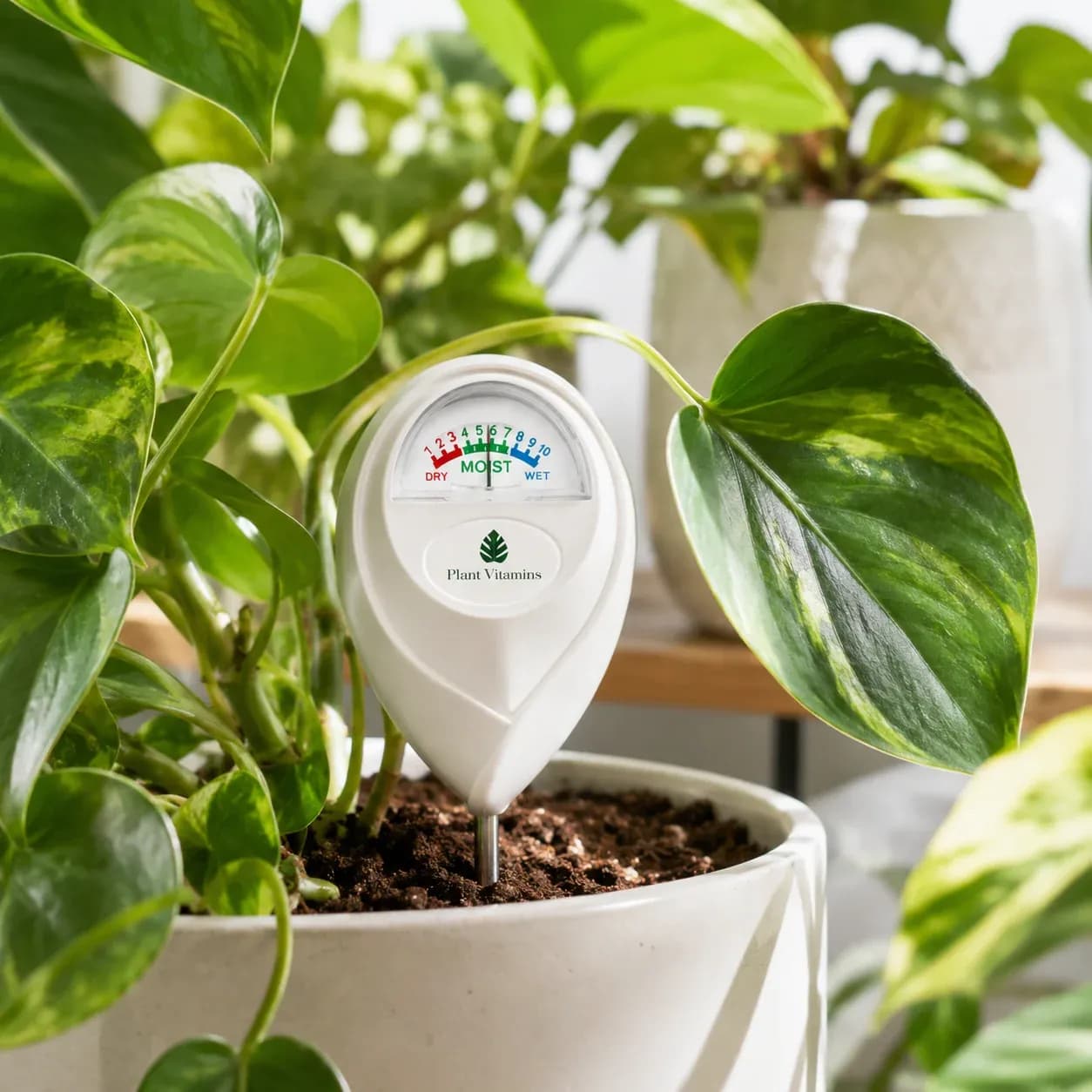
How to Use a Moisture Meter for Plants
Watering by feel kills plenty of houseplants. A moisture meter checks the soil for you, and takes the guesswork out of it. This guide will show you how to use it correctly, from the first touch to the final reading.
7 min read · 20 Aug 2026
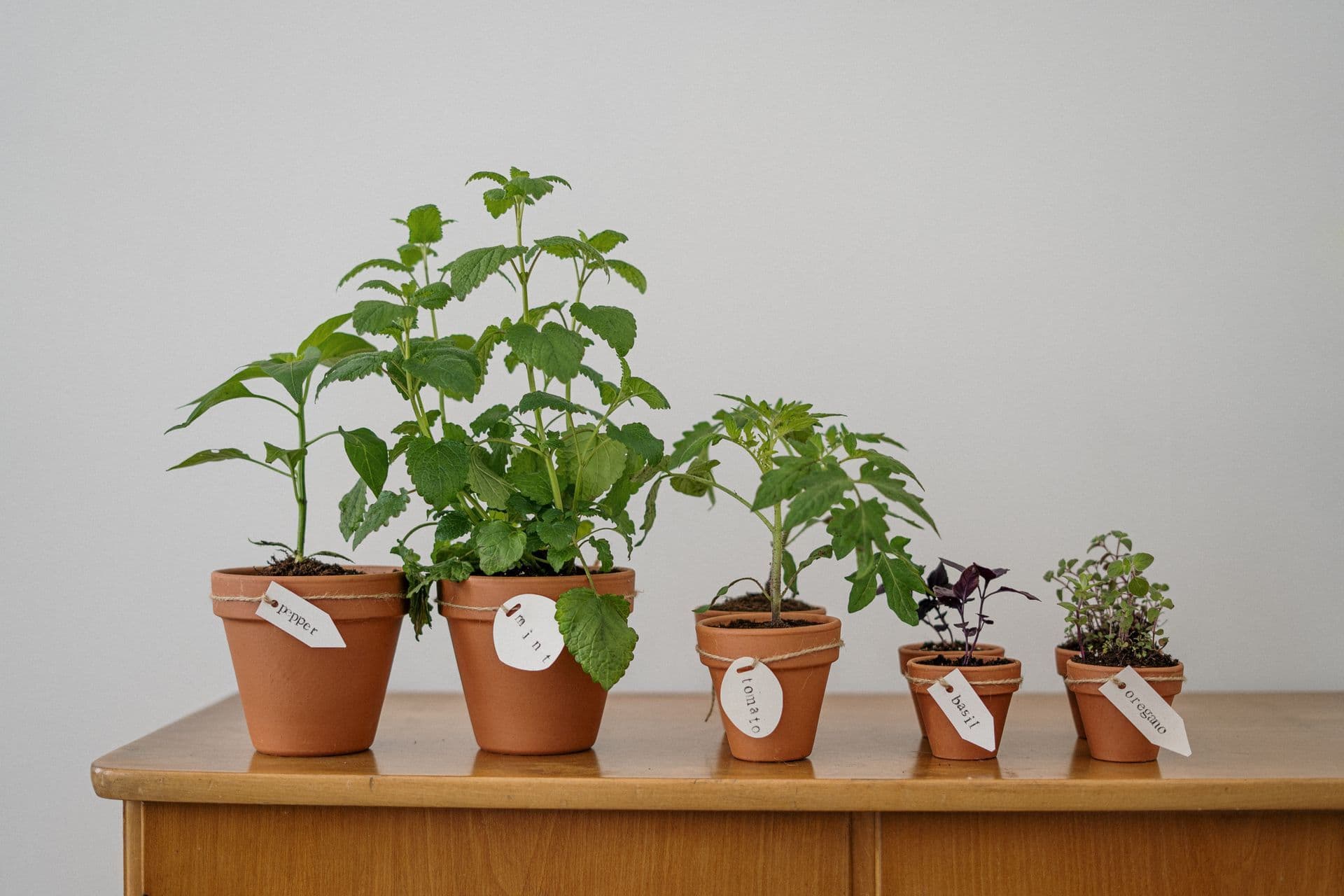
Plant Pot Sizes: How to Choose the Right Plant Container
Plant pot sizes can be confusing because the number on the label only tells you part of the required information. A container may look spacious but actually be too shallow. So, how to choose pot size for plant species?
6 min read · 19 Aug 2026
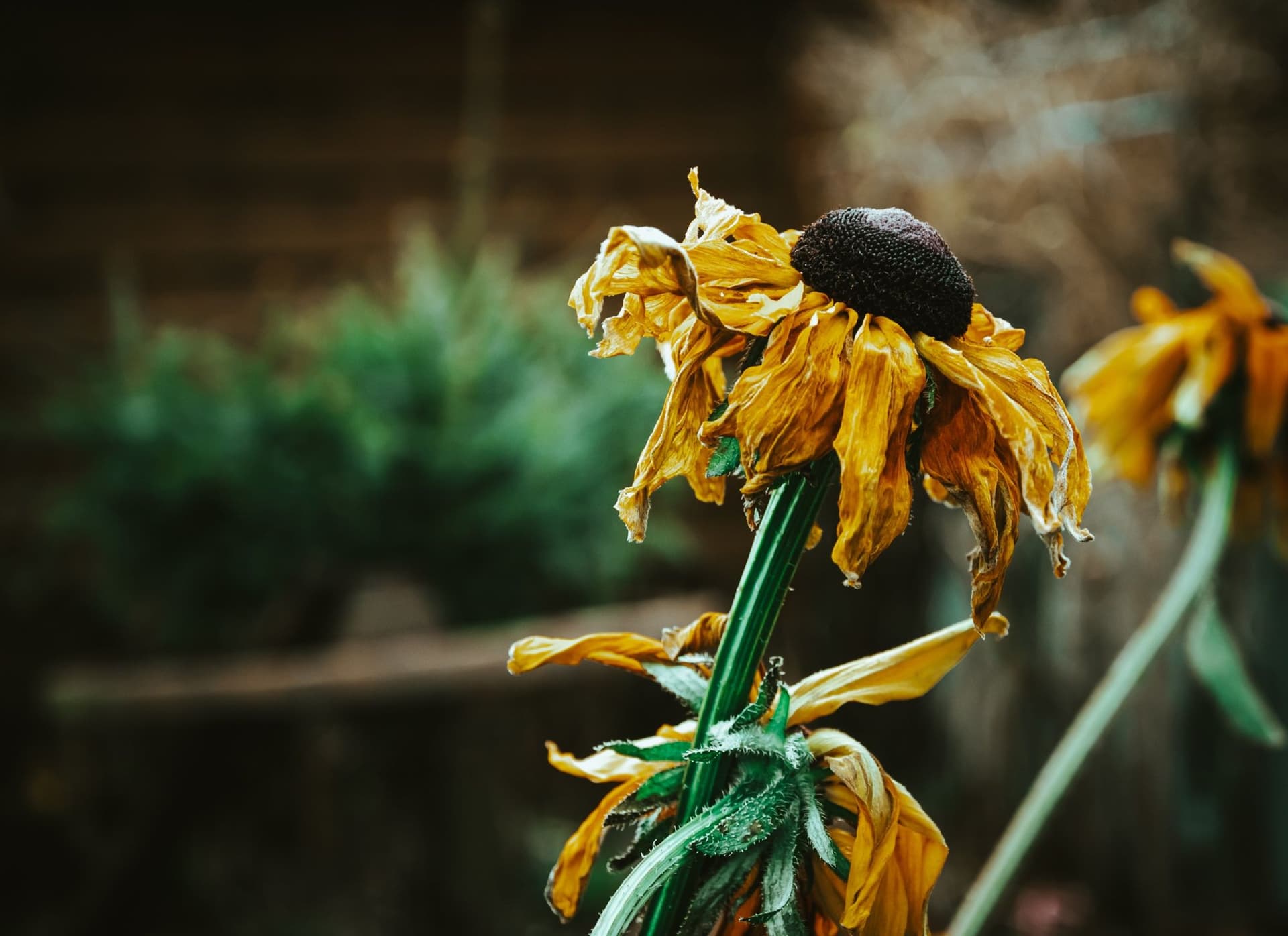
How to Tell if a Plant Is Dead
A plant can lose its leaves, stop growing, or collapse and still remain alive. A closer look at the stems, roots, bulbs, and tubers can show whether the plant still has a chance to recover.
Explore Plants by Care Needs
Identify the plant and problem. Help your plant recover
Identify plant problems early, understand what's wrong, and get clear care guidance. Botan helps you turn guesswork into confident plant care