Common zinnia Care (Zinnia elegans)

Also known as: Common Zinnia
Common zinnia

About Common zinnia

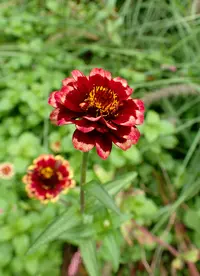
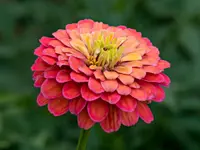
Common zinnia (Zinnia elegans) is a fast-growing annual flowering plant valued for its bright, long-lasting blooms. It forms upright, branching stems topped with daisy-like or double flowers in many colors.

This species originates from Mexico and surrounding regions but is now widely grown in gardens and containers across warm and temperate climates. Plants grow quickly from seed and flower over a long season, which makes them popular in beginner-friendly borders and cutting gardens.

Zinnia elegans prefers full sun, moderate watering, and well-drained soil, and it responds well to regular deadheading. These traits make it relatively simple to care for Common zinnia in home gardens.

Main Plant Requirements

Care Difficulty

Easy Care

Light Preference

Full Sun

Water Requirements

Moderate Water

Temperature Preference

Tropical / Frost Sensitive

Hardiness Zone

2–11

Soil Texture

Sandy, Loamy, Organic-rich

Soil pH

Acidic (5.5–6.5), Slightly acidic (6.5–7.0)

Soil Drainage

Well-drained

Fertilization

Light (every 4–6 weeks)

Get Personalized Care Plan

Scan your plant to receive care tips personalized for your specific plant

Available on iOS and Android

How to Care for the Common zinnia

Zinnia elegans performs best in strong direct light during the growing season.

  • Provide 6–8 hours of direct sun daily; full sun from morning through midafternoon produces the most compact plants and flowers.
  • Plants tolerate light afternoon shade, especially in hot climates, but less than 4–5 hours of sun leads to weak growth and fewer blooms in Common zinnia.
  • In cooler seasons, choose the sunniest, least obstructed spot; in peak summer, avoid reflected heat from walls or pavement to reduce leaf scorch.

Zinnia elegans prefers evenly moist but not saturated soil during active growth.

  • Water when the top 3–5 cm of soil feels dry, applying enough to moisten the root zone without leaving standing water on the surface.
  • Use well-drained soil or beds; persistent wetness, wilting despite damp soil, and yellowing lower leaves indicate overwatering and potential root problems.
  • In hot, windy weather, monitor more often for dry, pale, or drooping leaves, but reduce frequency in cool periods once growth slows late in the season.

This species thrives in stable warm conditions typical of summer in temperate climates.

  • Optimal growth occurs around 70–85°F (21–29°C), with vigorous flowering in consistently warm, bright weather.
  • Plants are frost-sensitive annuals; growth slows below about 55°F (13°C), and frost at 32°F (0°C) or lower kills foliage and stems.
  • Zinnias tolerate short heat spikes up to about 95°F (35°C) if soil moisture is maintained, but prolonged extreme heat can shorten bloom life and stress plants.

Zinnia elegans handles a wide humidity range and usually does not need special humidity management.

  • Target 30–60% humidity, similar to typical indoor and outdoor air in most homes and gardens.
  • Dry air is tolerated, but prolonged hot, very dry conditions can cause leaf edges to crisp and flower heads to age faster.
  • If air is extremely dry and hot, reduce stress by mulching the soil lightly and watering the Common zinnia consistently at the root zone.

Zinnia elegans prefers well-aerated, free-draining soil that does not stay wet after watering.

  • Use a loose loamy or sandy mix with moderate organic matter, such as garden soil blended with compost and coarse sand.
  • Aim for slightly acidic to neutral pH, around 6.0–7.0, to support nutrient availability and healthy growth.
  • Improve drainage and aeration by adding coarse sand or perlite at 20–30% of the mix, especially for heavy or clay soils.
  • Avoid compacted, waterlogged, or very rich, constantly wet substrates, which promote root rot and weak, lanky stems.

This species is well suited to container growing when the pot supports its fast, upright growth habit.

  • Select a pot that is at least 20–25 cm deep to give the taproot enough vertical space to anchor and access moisture.
  • Choose a heavier or wider container for taller or branching cultivars so the pot does not tip in wind or when flowers are top-heavy.
  • Use a fast-draining potting mix and ensure drainage holes remain unobstructed so water can exit quickly after heavy watering or rain.

Zinnia elegans benefits from moderate feeding during its active growing and flowering season.

  • Use a balanced water‑soluble fertilizer (such as 10‑10‑10) at half strength every 2–3 weeks from late spring through summer for caring for Common zinnia.
  • Alternatively, mix in compost or use a balanced slow‑release granular fertilizer at planting time.
  • Avoid feeding in fall and winter when growth slows or stops, especially in cooler climates.
  • Always water before applying fertilizer to reduce root burn risk and ensure even nutrient uptake.

Pruning Zinnia elegans focuses on deadheading and light shaping to support continuous bloom.

  • Begin light pinching of young stems in late spring to encourage branching and a fuller shape.
  • Throughout summer, remove spent flowers down to a leaf node to extend flowering and reduce seed set.
  • Snip off dead, diseased, or crossing stems with clean scissors or hand pruners to maintain airflow.
  • At season’s end, cut plants to ground level once frost has blackened foliage or flowering has finished.

Zinnia elegans is usually transplanted from seedling trays or pots into garden beds rather than long‑term containers.

  • Transplant in late spring after frost, when seedlings have 2–3 sets of true leaves and roots lightly fill the plug or pot.
  • Avoid disturbing roots; slide the root ball out gently and plant at the same soil depth in well‑drained ground.
  • Water thoroughly after transplanting and shade lightly for 1–2 days to reduce transplant shock.
  • Because it is an annual, new plants are started each year instead of repotting the same specimens.

New Zinnia elegans plants are most commonly raised from seeds rather than cuttings or division.

  • Sow seeds in late spring after frost outdoors, or 4–6 weeks earlier indoors under bright light.
  • Provide warm conditions of 70–75°F and evenly moist, well‑drained seed mix for best germination.
  • Cover seeds very lightly or press into the surface, since they need light contact for sprouting.
  • Thin crowded seedlings so remaining plants have enough space and airflow to develop strong, flowering stems.

Zinnia elegans is a frost‑tender annual and does not overwinter outdoors in most climates.

  • First autumn frost usually kills top growth, so treat plants as seasonal and replant from seed each year.
  • No mulching or stem insulation is needed except to tidy beds by removing spent plants.
  • Container plants can be discarded after frost; long‑term indoor overwintering is rarely practical or effective.

Care Tips

Early pinching

Pinch out the first central bud when plants are 10–15 cm tall to encourage multiple strong flowering stems and reduce later flopping.

Staggered sowing

Sow small batches every 2–3 weeks in spring and early summer so flowering continues over a longer period instead of peaking all at once.

Cut-and-come-again harvesting

Harvest stems when the flower head feels firm on its stem, cutting above a set of strong leaf pairs to stimulate new, longer stems for continuous bloom.

Targeted air circulation

Space plants so mature leaves just avoid touching and orient rows with the prevailing wind to lower leaf wetness duration and reduce powdery mildew risk when growing Common zinnia.

Sanitary deadheading

Remove spent and diseased flower heads into a container rather than dropping them on the soil surface to limit fungal spore buildup and self-seeding in high-density plantings.

Common Pests and Diseases

Powdery mildew

This disease causes white, powdery patches on leaves, stems, and buds, often starting on lower foliage and spreading upward. Symptoms include distorted growth and premature leaf yellowing and drop in warm, dry days with cool, humid nights.

Solution

Remove and discard heavily infected leaves, then thin or space plants to improve air circulation and avoid overhead watering. Apply a sulfur, potassium bicarbonate, or neem oil fungicide at the first signs of infection, and rotate plantings each year to reduce spore buildup when growing Common zinnia outdoors.

Alternaria leaf spot

This disease produces small, dark brown to purple leaf spots that enlarge into circular lesions with tan centers and darker borders. Symptoms include yellowing leaves and defoliation starting from the bottom of the plant in warm, humid conditions.

Solution

Promptly remove and discard spotted or yellowing leaves and keep foliage as dry as possible by watering at soil level. Use a copper-based or chlorothalonil fungicide labeled for leaf spots if conditions stay humid, and practice crop rotation and clean up all zinnia debris at the end of the season.

Bacterial leaf spot

This disease causes small, water-soaked spots on leaves that turn dark brown to black and may be surrounded by a yellow halo. Symptoms include leaf distortion, tearing, and eventual drop, especially during warm, wet weather or overhead irrigation.

Solution

Remove and destroy affected leaves and avoid working among wet plants to reduce spread. Water at the base, increase spacing for better airflow, and start with disease-free seed or resistant cultivars; in severe cases, discontinue overhead watering entirely for that planting.

Aphids

These insects cluster on tender stems, buds, and the undersides of leaves, sucking sap and causing curling or distorted growth. This pest also excretes sticky honeydew that can lead to sooty mold on foliage and flowers.

Solution

Dislodge aphids with a strong stream of water, then treat remaining colonies with insecticidal soap or neem oil, ensuring thorough coverage of leaf undersides. Encourage or introduce natural predators such as lady beetles and remove heavily infested shoot tips if needed.

Spider mites

These pests are tiny sap-sucking arachnids that thrive in hot, dry conditions, causing fine stippling, bronzing, and eventual drying of leaves. Symptoms include delicate webbing on leaf undersides and between stems when populations are high.

Solution

Rinse plants thoroughly with water, focusing on leaf undersides, and repeat several times per week to reduce mite numbers. Increase humidity around plants if possible, remove heavily damaged foliage, and use horticultural oil or insecticidal soap for persistent infestations, rotating products to avoid resistance.

Interesting Facts

Mexican origin confirmed

This species is native to central Mexico, where it evolved in seasonally dry, open habitats, which explains its strong tolerance for heat and full sun in cultivation.

Remarkable flower diversity

Through selective breeding, Zinnia elegans has produced a wide range of flower forms, from single daisy-like blooms to fully double, dahlia-like heads in many colors except true blue.

Pollinator magnet

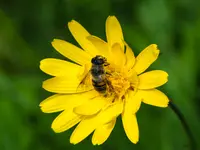
Its nectar-rich composite flower heads attract bees, butterflies, and other pollinators, and are often used in research and gardens to support beneficial insect populations and study Zinnia elegans plant care.

Botan icon

Did you know?

Zinnia elegans was introduced to Europe in the 18th century as a relatively plain wildflower, but its transformation through horticultural breeding was so dramatic that it earned the nickname "youth-and-old-age" in some regions, referring to the long-lasting color of its blooms from bud to senescence.

FAQs about Common zinnia

Lack of blooms usually comes from too little direct sun, excess nitrogen fertilizer, or old, spent flowers left on the plant. Improve light, avoid high-nitrogen lawn fertilizers nearby, and deadhead regularly to promote continuous flower production.

Grow Healthy Plants with Botan Care

Keep your plants happy and healthy with plant identification, disease detection, and easy care guidance.

Botan plant care app — identify plants on mobile

Explore More Plants