Zinnia haageana Care

Zinnia haageana

About Zinnia haageana

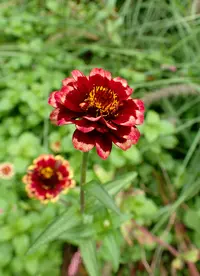
Zinnia haageana is a compact annual flowering plant in the Asteraceae family, valued for its bright, daisy-like blooms and extended flowering season. It usually forms bushy clumps with many branching stems and small to medium flowers in warm shades of yellow, orange, and red, often with bicolor patterns.

This species is native to Mexico, where it grows in sunny, open habitats. Its strong heat tolerance and relatively low nutrient needs make it straightforward for gardeners who want to care for Zinnia haageana without complex routines.

It generally prefers full sun, well-drained soil, and moderate moisture, which supports healthy growth and steady flowering in garden beds or containers.

Main Plant Requirements

Care Difficulty

Easy Care

Light Preference

Full Sun

Water Requirements

Moderate Water

Temperature Preference

Tropical / Frost Sensitive

Hardiness Zone

2–11

Soil Texture

Sandy, Loamy, Organic-rich

Soil pH

Acidic (5.5–6.5), Slightly acidic (6.5–7.0)

Soil Drainage

Well-drained

Fertilization

Light (every 4–6 weeks)

Get Personalized Care Plan

Scan your plant to receive care tips personalized for your specific plant

Available on iOS and Android

How to Care for the Zinnia haageana

This sun-loving annual blooms best with strong, consistent light exposure.

  • Provide 6–8 hours of direct sun daily; morning and midday sun give the most compact growth and abundant flowering.
  • Tolerates light afternoon shade in hot summers, but dense shade leads to stretched stems, fewer flowers, and weaker, disease-prone plants.
  • In regions with intense summer sun, use 2–4 hours of filtered light in late afternoon to reduce leaf scorch and help Zinnia haageana maintain flower color.

Watering should keep the soil evenly moist but never saturated during active growth.

  • Water when the top 3–5 cm of soil feel dry, applying a deep soak at the base rather than light surface splashes to encourage deeper roots.
  • Use well-drained soil or beds; prolonged soggy conditions cause root rot, yellowing leaves, and sudden wilting despite wet soil.
  • In hot, dry weather, check moisture daily; crisp, drooping leaves signal underwatering, while mushy stems or a sour soil smell indicate excess water stress for Zinnia haageana.

This species performs as a warm-season annual and stops thriving in cool or cold conditions.

  • Aim for 70–85°F (21–29°C) for best growth and flowering; plants grow slowly and flower poorly below 65°F (18°C).
  • Protect from frost; tissue damage can occur around 32°F (0°C), and plants are usually killed if exposed to a hard freeze below 28°F (-2°C).
  • Zinnia haageana tolerates short heat spikes up to about 95°F (35°C) if soil moisture is maintained, but prolonged extreme heat may reduce flower size and longevity.

This species grows best in relatively dry air and rarely needs special humidity management.

  • Target 30–50% humidity, similar to typical indoor and outdoor summer conditions in most homes and gardens.
  • Plants tolerate dry air well, but prolonged cold damp air can promote foliar disease and weak, leggy growth.
  • If foliage shows mildew or spotting, reduce crowding around plants and increase airflow rather than raising humidity.

Zinnia haageana prefers lean, well-drained soil that never stays waterlogged.

  • Use a light loamy or sandy soil with moderate organic matter so roots receive both moisture and air.
  • Ensure sharp drainage; water should drain through in seconds, not sit on the surface or in the saucer.
  • Aim for slightly acidic to neutral pH around 6.0–7.0, adding compost to buffer minor pH issues.
  • Improve heavy clay by mixing in coarse sand and fine bark to increase aeration and prevent root rot.

This species is well suited to container growing outdoors.

  • Choose a pot at least 20–25 cm wide so multiple stems can branch without becoming root-bound too quickly.
  • Select a relatively heavy container material or add a layer of coarse gravel to the base to reduce tipping in wind.
  • Use a fast-draining potting mix and elevate the container slightly so drainage holes never sit directly on a solid surface.

This annual benefits from moderate, targeted feeding to support continuous blooms.

  • Use a balanced liquid fertilizer (e.g., 10-10-10) at half strength every 2–3 weeks during active growth.
  • Alternatively, mix a thin layer of compost into the soil before planting for steady nutrition.
  • Skip feeding in winter or after frost, when Zinnia haageana has completed its life cycle.
  • Avoid high-nitrogen products that cause lush foliage at the expense of flowers.

Thoughtful pruning supports compact growth and longer flowering on Zinnia haageana.

  • Begin light pruning in early summer, using clean scissors or hand pruners to avoid tearing stems.
  • Deadhead spent blooms just above a leaf pair to encourage new buds and extend flowering.
  • Remove dead, diseased, or crossing stems promptly to improve air flow and reduce foliar disease.
  • Pinch back young shoots once or twice to promote bushier plants with more flowering stems.

This species is usually grown as a seasonal bedding annual, so transplanting timing is more important than repotting cycles.

  • Transplant seedlings outdoors after frost when they have several true leaves and roots lightly fill starter cells.
  • Choose a sunny site with well-drained soil, spacing plants to avoid crowding and mildew.
  • Handle seedlings by the leaves, not stems, and keep the root ball intact to reduce transplant shock.
  • Water thoroughly after planting and shade lightly for 1–2 days if conditions are hot or windy.

New Zinnia haageana plants are most reliably raised from seed rather than vegetative methods.

  • Sow seeds indoors 4–6 weeks before the last frost or directly outdoors once soil is warm.
  • Use a light, sterile seed-starting mix and keep it evenly moist at 70–75°F for good germination.
  • Cover seeds lightly, as they need some darkness, and provide bright light once seedlings emerge.
  • Thin or pot on seedlings so each plant has space, which reduces disease and encourages sturdy growth.

This warm-season annual is not frost hardy and usually does not overwinter outdoors in temperate climates.

  • Expect plants to decline and die after the first hard frost, even with mulching.
  • Container-grown plants can be kept slightly longer by moving them to a bright, frost-free spot.
  • Collect mature seeds before severe cold if planning on growing Zinnia haageana again next year.

Care Tips

Staggered Succession Sowing

Sow small batches every 2–3 weeks rather than all at once to keep plants in peak bloom and reduce the impact of any single pest or weather event on the whole planting.

Targeted Deadheading Technique

When removing spent blooms, cut the stem back to the next strong pair of leaves to encourage longer, straighter flowering stems and reduce the risk of gray mold on old flower heads.

Powdery Mildew Management

Space plants so foliage dries quickly, water only at soil level, and promptly remove the first leaves that show white powdery patches to slow disease spread late in the season.

Cut-Flower Conditioning

Harvest stems in the early morning when flowers pass the wiggle test (flower head does not flop when gently shaken), then place them immediately in clean, lukewarm water to extend vase life.

Pollinator Strip Planning

Plant in a long, continuous strip rather than isolated clumps to attract more pollinators and beneficial insects, which indirectly supports healthier growth when growing Zinnia haageana.

Common Pests and Diseases

Powdery mildew

This disease shows as white to gray, powdery patches on leaves, stems, and buds, often starting on lower foliage and spreading quickly in warm, dry conditions with high humidity at night.

Solution

Remove and discard heavily infected leaves, water at soil level to keep foliage dry, and increase spacing and airflow around plants; in persistent cases, use a sulfur or potassium bicarbonate fungicide labeled for ornamentals and start applications at the first sign of disease as part of broader Zinnia haageana care instructions.

Alternaria leaf spot

This disease causes small, dark brown to purple spots on leaves that enlarge into circular lesions with tan centers, often leading to yellowing and premature leaf drop.

Solution

Promptly remove and dispose of infected leaves, avoid overhead watering, and rotate planting areas each year; in severe cases, apply a copper-based or chlorothalonil fungicide labeled for leaf spots on ornamentals, starting early when spots first appear.

Bacterial leaf spot

Symptoms include water-soaked, translucent spots on leaves that turn dark brown to black and may be surrounded by a yellow halo, often worsening after rain or overhead irrigation.

Solution

Avoid splashing water on foliage, space plants for good airflow, and remove affected plant material promptly; do not work with plants when wet, and avoid saving seed from infected plants to reduce carryover of the bacteria.

Aphids

These insects cluster on new growth, undersides of leaves, and flower buds, sucking sap and causing distorted leaves, sticky honeydew, and sometimes sooty mold growth.

Solution

Dislodge colonies with a strong stream of water, encourage natural predators such as lady beetles, and, if needed, treat with insecticidal soap or a light horticultural oil ensuring thorough coverage of leaf undersides and tender shoots.

Spider mites

This pest thrives in hot, dry weather and causes fine stippling, bronzing, and eventual drying of leaves, often accompanied by delicate webbing on leaf undersides and between stems.

Solution

Increase humidity around plants, spray foliage with a firm jet of water to knock mites off, remove heavily infested leaves, and use insecticidal soap or a horticultural oil labeled for mites, repeating applications as needed to catch successive generations.

Interesting Facts

Mexican highland origins

This species is native to the warm, seasonally dry highlands of Mexico, which helps explain its strong heat tolerance and preference for full sun and well‑drained soils in cultivation.

Distinctive bicolored blooms

It is well known for its small, button‑like flower heads that often show sharp bicolored patterns, such as orange or red petals tipped in yellow, a trait less common in many other zinnia species.

Compact, branching habit

Unlike taller garden zinnias, this species usually forms low, well‑branched mounds with numerous short stems, which makes it useful for edging, containers, and mass plantings that maintain a uniform height.

Botan icon

Did you know?

Zinnia haageana has been widely used in breeding programs to introduce compact growth, stronger branching, and distinctive bicolored ray florets into modern dwarf zinnia hybrids, so its genetics are present in many popular small bedding zinnias sold today.

FAQs about Zinnia haageana

This species is highly attractive to butterflies, bees, and other pollinators due to its open, nectar-rich flower structure. Planting several together creates a strong visual and scent cue, increasing pollinator activity in beds and borders.

Grow Healthy Plants with Botan Care

Keep your plants happy and healthy with plant identification, disease detection, and easy care guidance.

Botan plant care app — identify plants on mobile

Explore More Plants