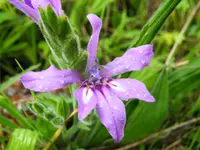
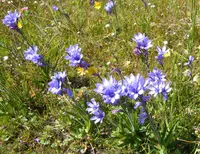
Ultramarine Retro Bobejaantjie Care (Babiana angustifolia)

Also known as: Ultramarine Inverted Bobejaantjie, Retro Bobbejaantjie
Ultramarine Retro Bobejaantjie

About Ultramarine Retro Bobejaantjie

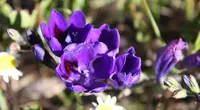
Ultramarine Retro Bobejaantjie is a small corm-forming perennial in the iris family, known botanically as Babiana angustifolia. It produces narrow, pleated leaves and short flower stems. The plant is valued for its bright, tubular blooms that often appear in clusters, giving a colorful display during the flowering season. It usually grows in a compact clump, making it suitable for pots or small garden spaces. In nature, Babiana angustifolia occurs in South Africa, especially in winter-rainfall areas with dry summers and well-drained soils. Understanding this seasonal rhythm is key to how to care for Ultramarine Retro Bobejaantjie, as it prefers sun, low to moderate moisture, and a resting period when dormant.

Main Plant Requirements

Care Difficulty

Moderate Care

Light Preference

Full Sun

Water Requirements

Moderate Water

Temperature Preference

Warm Climate

Hardiness Zone

8–10

Soil Texture

Sandy, Loamy

Soil pH

Acidic (5.5–6.5), Slightly acidic (6.5–7.0)

Soil Drainage

Well-drained

Fertilization

Minimal (feed rarely)

Get Personalized Care Plan

Scan your plant to receive care tips personalized for your specific plant

Available on iOS and Android

How to Care for the Ultramarine Retro Bobejaantjie

Babiana angustifolia grows best in bright, open conditions that mimic its native sunny habitats.

  • Provide 6–8 hours of direct sun daily, with morning sun and light afternoon shade ideal in hotter regions.
  • Plants tolerate light or dappled shade for part of the day, but flowering will be reduced if they receive under 4–5 hours of direct sun.
  • In summer, strong afternoon sun can scorch leaves and flowers of Ultramarine Retro Bobejaantjie, while too little light leads to weak, floppy growth and fewer blooms.

Babiana angustifolia prefers a clear wet–dry cycle rather than constantly moist soil.

  • During active growth and flowering, water when the top 3–5 cm of soil feels dry, allowing excess to drain away completely.
  • Use sharply drained, gritty soil so water does not pool around the corms; yellowing, soft leaves often indicate overwatering or poor drainage.
  • As foliage dies back in late spring or early summer, reduce watering sharply, then keep soil almost dry during dormancy to prevent rot.

This species prefers mild, dry conditions and does not tolerate hard frost well.

  • Ideal growth occurs around 60–75°F (16–24°C), especially during its active cool-season period when foliage and flower spikes develop.
  • Babiana angustifolia is damaged below about 28°F (-2°C); in colder climates, lift corms or provide a thick mulch to protect from freezing.
  • The plant tolerates brief heat up to about 90°F (32°C) if soil is well drained and air is dry, but prolonged hot, wet conditions increase rot risk.

This corm-forming species handles typical indoor levels but grows best in moderately dry air.

  • Aim for 30–50% humidity, similar to a bright, airy room rather than a steamy bathroom.
  • Dry indoor air is usually tolerated; issues arise more from overwatering than from low humidity.
  • If leaf tips brown or flowers wilt quickly, improve air circulation and reduce moisture sitting on foliage rather than raising humidity.

Babiana angustifolia prefers light, sharply drained soil that dries quickly after watering.

  • Use a sandy or gritty mix, such as 50–60% coarse sand or fine gravel with the rest loam-based compost.
  • Ensure very fast drainage; water should run through in seconds and the mix should not feel sticky or compacted.
  • Aim for slightly acidic to neutral pH, around 6.0–7.0, which suits most bulb and corm mixes.
  • To improve aeration, blend in pumice or perlite and avoid heavy clay, peat-heavy, or water-retentive potting mixes that stay wet for days.

This species is well suited to container growing, especially in regions with frost-prone winters.

  • Choose a pot at least 20–25 cm deep so the corms sit with 5–8 cm of mix beneath them for stable anchoring.
  • Use terracotta or other porous materials to help excess moisture evaporate between waterings and reduce rot risk.
  • Raise the container on pot feet or bricks so drainage holes stay clear and water cannot pool under the base when outdoors.

Babiana angustifolia benefits from modest feeding during its active growing season but does not need heavy fertilization.

  • Apply a balanced NPK liquid fertilizer at 1/2 strength every 3–4 weeks in spring while foliage is growing.
  • Alternatively, mix a light layer of compost into the topsoil at the start of the season for gentle nutrition.
  • Use a slow-release bulb fertilizer at planting for container-grown Ultramarine Retro Bobejaantjie, following label rates.
  • Stop feeding once leaves yellow and the plant enters dormancy, and do not fertilize during winter rest.

Babiana angustifolia needs minimal pruning focused on cleanliness and supporting flowering.

  • In late spring or after flowering, remove spent flower stems at the base to keep clumps tidy and encourage bulb strength.
  • Cut away dead, yellowing, or damaged leaves with clean, sharp scissors or hand pruners to reduce disease risk.
  • Avoid cutting green, healthy foliage, as it is needed to recharge the corms for next year’s growth.
  • Thin out crowded clumps only when lifting and dividing, rather than trimming foliage to control size.

This bulb-forming species is usually left undisturbed for several years, with transplanting done mainly to relieve crowding or refresh soil.

  • Check containers for roots circling drainage holes, declining vigor, or smaller flowers as signs that division or transplanting is needed.
  • Plan to lift and transplant clumps every 3–4 years in late summer or early fall, once foliage has fully died back.
  • Gently loosen soil, lift corms with a hand fork, and separate offsets by hand, keeping attached roots intact.
  • Replant corms at the same depth in fresh, well-drained soil, water lightly, and avoid heavy irrigation until new growth appears.

Babiana angustifolia is most commonly propagated by corm division, with seed used mainly for larger-scale or patient growers.

  • Lift dormant clumps in late summer or early fall and separate offsets, keeping only firm, healthy corms.
  • Replant divisions into gritty, well-drained soil, spacing them so each has room to expand over several seasons.
  • For seeds, sow in fall in trays of sandy mix, barely covering, and keep at 55–65°F with bright light.
  • Maintain lightly moist, not wet, conditions until seedlings establish, then gradually reduce watering during their first dormancy.

This species prefers mild, dry winters and often needs protection in colder or wetter regions.

  • In climates below about 20–25°F, lift corms after foliage dies and store dry in a cool, frost-free place.
  • Where winters are cool but not severe, apply a 5–8 cm mulch over the planting area to insulate the root zone.
  • Keep winter soil relatively dry, especially in heavy or poorly drained ground, to reduce risk of corm rot.
  • Move containers under cover or indoors to a bright, cool, frost-free spot, watering very sparingly until spring.

Care Tips

Label Dormant Pots

Mark pot rims with weatherproof labels before foliage dies back so you do not disturb the resting corms when repotting or rearranging containers during dormancy.

Staggered Planting Groups

Plant corms in several small batches spaced 1–2 weeks apart to extend the overall bloom window and reduce the impact if one group is damaged by late frost or heavy rain.

Careful Lifting Technique

When digging up corms after foliage has fully yellowed, slide a fork in from the side 10–15 cm away and lift the whole clump at once to avoid spearing or snapping the small offsets.

Mesh Basket Protection

In gardens with rodents, plant corms in plastic or wire mesh baskets sunk into the soil so roots and shoots can pass through while the corms remain protected from chewing.

Targeted Pest Scouting

Inspect the narrow leaf bases and flower stems every 7–10 days in spring for aphids or thrips and hose them off or treat early, which makes caring for Ultramarine Retro Bobejaantjie more reliable and reduces virus spread risk.

Common Pests and Diseases

Gladiolus thrips

This pest feeds on leaves and flower spikes, causing silvery streaks, speckling, and distorted or browned buds. Symptoms include poor flowering and a dull, scarred appearance on foliage and blooms.

Solution

Cut and destroy heavily damaged flower spikes and drying foliage after the growing season, then remove old corms and debris to reduce overwintering sites. During active growth, rinse plants with a strong but gentle stream of water, use insecticidal soap or a neem-based spray directed at leaf bases and developing buds, and isolate affected pots to limit spread.

Bulb mite

This pest attacks corms in storage or in very wet soils, tunneling into the tissue and leading to soft, discolored, and shriveling corms. Symptoms include weak shoots, poor emergence, and plants that collapse early.

Solution

Inspect corms before planting and discard any that feel soft, show cavities, or have powdery residues around the basal plate. Store clean, dry corms in a well-ventilated, cool area, avoid prolonged soil saturation, and consider a hot-water treatment or sulfur dusting of corms before storage where infestations have been severe.

Fungal corm rot

This disease affects stored or in-ground corms, causing them to become brown, water-soaked, or covered with mold, leading to poor sprouting or sudden plant collapse. Symptoms include stunted growth, yellowing foliage, and rotting at the corm base.

Solution

Lift corms only after foliage has died back, dry them thoroughly, then clean and store them in a dry, airy place with moderate temperatures. Discard any corms showing soft or moldy areas, plant only into well-drained soil or a gritty mix, avoid overwatering during dormancy, and rotate planting spots to reduce pathogen buildup.

Botrytis blight

This disease produces soft, water-soaked spots on leaves, buds, and flowers, often covered with fuzzy gray mold in cool, damp weather. Symptoms include spotted or collapsing flower spikes and rapid decay of affected tissues.

Solution

Remove and destroy all infected flowers and foliage as soon as symptoms appear, and avoid overhead watering that keeps plants wet for long periods. Improve air circulation, space corms so plants are not crowded, and in climates with frequent spring rains consider a preventive fungicide labeled for ornamental bulbs at the start of active growth.

Aphids

These insects cluster on young leaves and flower stalks, sucking sap and causing curling, distortion, and sticky honeydew deposits that may lead to sooty mold. Symptoms include weakened growth and deformed flower spikes.

Solution

Dislodge colonies with a firm stream of water, then treat remaining aphids with insecticidal soap or a light horticultural oil, ensuring good coverage of leaf undersides and tender tips. Encourage natural predators like lady beetles in outdoor plantings, and regularly inspect plants during early growth to catch infestations before flowering; this forms part of broader Babiana angustifolia plant care for healthy displays.

Interesting Facts

Winter-rainfall specialist

Babiana angustifolia is native to the winter-rainfall regions of South Africa’s Western Cape, where it grows on seasonally moist flats that dry completely in summer, matching its growth cycle to cool, wet winters and dry, hot summers.

Narrow leaves adaptation

The species name angustifolia means narrow-leaved and refers to its slender foliage, which reduces surface area and helps limit water loss in the windy, exposed habitats where this cormous plant often occurs.

Corm-based survival

This plant survives harsh dry seasons through an underground corm, a swollen stem base that stores water and nutrients, allowing it to resprout quickly with the first reliable winter rains.

FAQs about Ultramarine Retro Bobejaantjie

Lack of flowering usually comes from insufficient winter dormancy, bulbs planted too deeply, or depleted nutrients. Provide a cool, dry rest after foliage dies back, avoid heavy shade, and apply a balanced, low-nitrogen bulb fertilizer during active growth.

Grow Healthy Plants with Botan Care

Keep your plants happy and healthy with plant identification, disease detection, and easy care guidance.

Botan plant care app — identify plants on mobile

Explore More Plants