Post-bloom deadheading
Cut spent flower spikes at the base with clean scissors as soon as petals fade to prevent seed formation and direct energy back into the corm for stronger flowering next season.

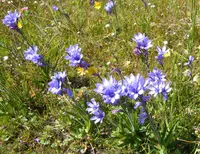
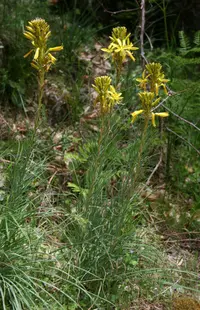
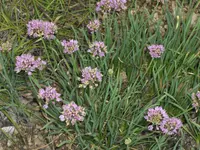
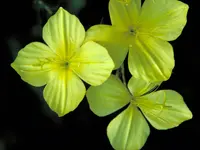
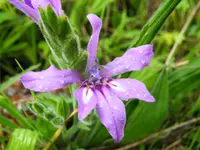
Fragrant bobbejaantjie (Babiana fragrans) is a small corm-forming perennial from South Africa’s Western Cape, related to other iris-like bulb plants. It produces narrow, pleated leaves and short stems topped with clusters of starry, strongly scented flowers in spring. Flowers are usually white to pale cream with contrasting markings that attract pollinators in its native fynbos habitat. This species has a seasonal growth cycle, growing actively in cooler, wetter months and resting as a dormant corm during dry periods. Its compact size and striking fragrance make it attractive for containers, rock gardens, and collectors of South African bulbs. Good drainage, moderate water, and bright light are key to how to care for Fragrant Bobbejaantjie, especially in cooler or wetter climates.

Care Difficulty
Moderate Care

Light Preference
Full Sun

Water Requirements
Moderate Water

Temperature Preference
Warm Climate

Hardiness Zone
8–10

Soil Texture
Sandy, Loamy, Organic-rich

Soil pH
Acidic (5.5–6.5), Slightly acidic (6.5–7.0)

Soil Drainage
Well-drained

Fertilization
Minimal (feed rarely)
Scan your plant to receive care tips personalized for your specific plant
Available on iOS and Android
This corm-forming species prefers bright, direct sun in cool seasons for strong flowering.
This plant prefers a distinct wet growing season and dry dormant period.
This South African bulb favors cool, mild growing temperatures and dry, protected dormancy.
Babiana fragrans handles a wide humidity range and rarely needs special humidity management indoors or outdoors.
Babiana fragrans grows best in light, sharply drained soil that dries between waterings.
This species is well suited to container growing, especially in cooler climates where corms need dry rest periods.
This cormous plant benefits from light feeding during its active spring growth but does not need heavy fertilization.
Pruning Babiana fragrans is minimal and mainly focused on post-flowering cleanup to support healthy corms.
This species is usually grown as clustered corms in beds or pots and dislikes frequent disturbance.
Babiana fragrans is commonly propagated by corm offsets and, less often, by seed.
This bulbous plant prefers mild, dry winters and needs protection in colder or very wet climates.

Plant Health Check
Not sure what's wrong with your plant? Check your plant's health inside the app.
This species produces strongly scented, tubular flowers in late winter to early spring in its native Western Cape, aligning its bloom with cooler, wetter conditions and peak pollinator activity in Mediterranean-type climates.
The white to cream flowers with purple markings and a spicy-sweet scent are adapted to attract long-tongued bees and other specific pollinators that can reach nectar deep in the floral tube, promoting efficient cross-pollination.
Babiana fragrans survives hot, dry summers by retreating into an underground corm, a swollen storage stem that allows the plant to resprout quickly when autumn and winter rains return.
This species can be grown indoors in bright, cool conditions, but it performs best as a seasonal display rather than a long-term houseplant. Good light, sharp drainage, and a dry rest period are critical for Fragrant Bobbejaantjie indoor care.
Keep your plants happy and healthy with plant identification, disease detection, and easy care guidance.