Christmas rose Care (Helleborus niger)

Also known as: Christmas Rose
Christmas rose

About Christmas rose

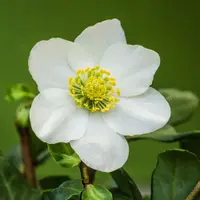
Christmas rose, Helleborus niger, is an evergreen perennial grown mainly for its winter to early spring flowers. It forms low clumps of leathery, dark green, divided leaves. Large, flat, usually white flowers often appear in cold weather, sometimes when snow is still on the ground. In nature it occurs in mountainous woodland and rocky slopes of central and southern Europe. The plant is long-lived but can be slow to establish, so it suits patient gardeners. It prefers cool conditions, partial shade, and moist but well-drained, humus-rich soil, which shapes how to care for Christmas rose in gardens.

Main Plant Requirements

Care Difficulty

Moderate Care

Light Preference

Partial Shade

Water Requirements

Moderate Water

Temperature Preference

Cold Hardy

Hardiness Zone

3–8

Soil Texture

Loamy, Silty, Organic-rich

Soil pH

Acidic (5.5–6.5), Slightly acidic (6.5–7.0)

Soil Drainage

Moist but well-drained

Fertilization

Minimal (feed rarely)

Get Personalized Care Plan

Scan your plant to receive care tips personalized for your specific plant

Available on iOS and Android

How to Care for the Christmas rose

This shade-tolerant perennial prefers soft light rather than intense, direct sun.

  • Provide 2–4 hours of gentle morning sun with bright dappled or open shade the rest of the day, especially in summer.
  • Allow more light in late autumn and winter, when the sun is weaker, to support flowering of Christmas rose without scorching leaves.
  • Avoid hot afternoon sun; foliage may yellow or scorch, while too-deep shade can reduce blooms and cause leggy, sparse growth.

This plant prefers evenly moist, cool soil that never stays saturated for long periods.

  • Water in-ground plants when the top 3–5 cm of soil feels dry, then soak thoroughly so moisture reaches the root zone.
  • Use humus-rich, well-drained soil; standing water or heavy clay without amendment increases risk of root rot in Helleborus niger.
  • In summer dry spells, watch for drooping or dull leaves as a cue to water; yellowing, mushy stems suggest overwatering or poor drainage.

This cold-hardy perennial thrives in cool to mild climates with distinct seasons.

  • Optimal growth occurs around 40–65°F (4–18°C), with flowering often in late winter to early spring when air is still cool.
  • Plants tolerate down to about 0°F (-18°C) once established, though mulch helps protect crowns during severe or freeze–thaw winters.
  • Heat above 80°F (27°C) can stress plants; provide shade, conserve soil moisture, and avoid planting in heat-reflective spots near walls or pavement.

This species is hardy and manages well in typical outdoor humidity.

  • Ideal humidity is around 40–60%, which is common in temperate gardens.
  • Christmas rose tolerates short dry spells if soil moisture is stable.
  • Humidity stress appears as marginal leaf browning and slower growth rather than wilting.
  • In very dry, windy spots, shelter the plant and mulch soil to reduce evaporative moisture loss.

Helleborus niger prefers cool, moisture-retentive but free-draining soil with stable structure.

  • Use a loamy, crumbly mix with high organic matter, such as garden loam blended with composted bark or leaf mold.
  • Aim for slightly alkaline to neutral pH around 7.0–7.5; add garden lime if soil is distinctly acidic.
  • Improve drainage by incorporating coarse grit or sharp sand into heavier clay, avoiding water collection around the crown.
  • Avoid compacted, waterlogged, or very sandy soils by regularly adding organic mulch that slowly builds structure and aeration.

This species can be grown in containers if moisture and root space are managed carefully.

  • Choose a deep, heavy pot that resists tipping and keeps the crown just above mix level to prevent rot.
  • Fill the container with a loam-based, gritty mix that drains freely yet holds some moisture around the fibrous roots.
  • Raise the pot on feet or bricks so drainage holes stay clear and winter water can flow away quickly.

Helleborus niger benefits from light, steady nutrition rather than heavy feeding.

  • Apply a balanced, slow-release fertilizer (for example 10-10-10) at half strength in early spring as new growth appears.
  • Top-dress annually with compost around the root zone to improve soil structure and provide gentle nutrients.
  • During active growth, one light granular or liquid feed every 6–8 weeks is usually enough.
  • In winter dormancy, skip synthetic fertilizer and maintain only the existing compost mulch for caring for Christmas rose.

Helleborus niger responds well to light, timely pruning to maintain health and flower display.

  • In late winter to very early spring, cut away old, winter-damaged leaves at the base before new flower stems open.
  • Remove any dead, diseased, or heavily spotted foliage during the season to reduce fungal issues.
  • Thin crowded leaves slightly to improve air flow while keeping the plant’s natural clump shape.
  • Use clean, sharp hand pruners and disinfect blades when cutting diseased tissue.

This hellebore prefers to stay put, so transplant or repot only when clearly necessary.

  • Look for roots circling the pot drainage holes, soil drying very fast, or noticeably slow growth as signs it needs a larger container or new site.
  • Plan transplanting for early spring or early autumn, avoiding hot, dry periods.
  • Move plants no more often than every 4–5 years, since established clumps dislike frequent disturbance.
  • Water thoroughly before and after moving, keep as much root ball intact as possible, and shade for 1–2 weeks to reduce stress.

Helleborus niger is usually propagated by seed or careful division of mature clumps.

  • Sow fresh seed in pots or trays outdoors in late summer to autumn, allowing natural winter chilling to break dormancy.
  • Keep seed trays evenly moist in partial shade; germination may take many months.
  • Divide established clumps only in early spring, when growth starts, using a sharp knife or spade.
  • Replant divisions immediately at the same depth, water well, and provide light shade until re-established.

This hellebore is cold hardy and usually needs only minimal winter care in most temperate gardens.

  • Plants tolerate significant frost once established, often flowering in freezing conditions.
  • Apply a 5–8 cm layer of leaf mold or compost mulch in late autumn to insulate the root zone.
  • Gently brush snow or heavy ice off foliage and flowers to prevent breakage.
  • Move container-grown plants to a sheltered, unheated spot to reduce freeze–thaw stress on roots.

Care Tips

Early root establishment

Plant nursery-grown clumps slightly high in the soil and mulch lightly around, not over, the crown so roots establish quickly while the crown stays dry and rot-resistant.

Flower protection cover

In regions with freeze–thaw cycles, place short cloches or supported horticultural fleece over flower buds during hard frosts to prevent petal browning and bud loss while still allowing airflow.

Leaf hygiene routine

Remove and dispose of older, blotched, or black-spotted leaves at ground level in late autumn and again after flowering to reduce fungal disease pressure and keep flowers visible.

Seedling management

Mark the area around the plant and identify self-sown seedlings in late spring so you can either thin them to prevent crowding or gently lift and transplant them to create new clumps when growing Christmas rose.

Summer canopy adjustment

Use nearby shrubs, small trees, or a simple shade net to give dappled shade in summer while keeping winter light open, which supports flowering without overheating or drying the plant in the warm season.

Common Pests and Diseases

Black spot leaf disease

This disease causes irregular black or dark brown spots on leaves, often with a yellow halo, and can lead to premature leaf drop. Symptoms include worst damage on older foliage, especially in cool, damp conditions.

Solution

Remove and dispose of affected leaves as soon as spots appear and clear all fallen debris around the plant to reduce spores. Improve air circulation, avoid overhead watering, and if needed apply a fungicide labeled for ornamental perennials early in the season, repeating according to label directions during prolonged wet weather.

Downy mildew

This disease creates pale or yellow patches on the upper leaf surface and a grayish, downy growth on the undersides in humid, cool weather. Symptoms include distorted new growth and progressive leaf decline.

Solution

Space plants to increase airflow, water at soil level, and avoid wetting foliage, especially in the evening. Remove heavily infected leaves and use a suitable ornamental fungicide at the first signs of infection, rotating products if repeated treatments are needed.

Botrytis blight

This disease produces soft, brown, water-soaked spots on flowers and leaves that develop fuzzy gray mold in cool, damp conditions. Symptoms include rotting flower buds and collapse of affected tissue.

Solution

Promptly cut off and dispose of all infected flowers and leaves, and keep the crown area free of decaying plant material. Improve drainage and airflow, avoid crowding, and in persistent cases use a fungicide labeled for Botrytis on ornamentals during high-risk cool, wet periods.

Leaf spot complex

This disease group causes small brown, purple, or black spots and blotches on leaves that may merge, making foliage look tattered and unsightly. Symptoms include gradual thinning of the plant if spotting is severe over several seasons.

Solution

Regularly remove and discard affected leaves and all fallen foliage to lower the disease load. Provide good air circulation, water at the base, and if needed apply a broad-spectrum fungicide early in the growing season when spots first appear, following label directions for ornamental perennials.

Aphids

These insects cluster on young stems and flower stalks, sucking sap and causing curling or distortion, and they excrete sticky honeydew that can attract sooty mold. This pest multiplies quickly in mild weather and can weaken new growth.

Solution

Wash colonies off with a firm spray of water, repeating every few days until numbers drop. For persistent infestations, use insecticidal soap or a horticultural oil labeled for ornamentals, ensuring thorough coverage of stems and the undersides of leaves while avoiding application in strong sun or high heat to support healthy Helleborus niger plant care.

Interesting Facts

Winter flowering strategy

This species flowers in mid-winter in much of Europe, using thick, waxy petals and cold-tolerant reproductive tissues so its flowers can remain functional during repeated freeze–thaw cycles and even light snow cover.

Petals turned nectaries

What look like petals are actually sepals; the true petals are reduced to small tubular nectaries that hold sugary nectar and mainly attract early-emerging pollinating insects such as winter-active bees and flies.

Ancient European cultivation

It has been grown in European monastery and cottage gardens for many centuries, valued for its unusually early bloom and stable white flowers at a time when few other ornamentals are in flower.

Botan icon

Did you know?

Genetic studies show that this species is diploid with a chromosome number of 2n = 32, and it has been used as a parent in breeding programs to create modern hellebore hybrids with improved winter hardiness and stable flower color.

FAQs about Christmas rose

Lack of flowers often comes from immature plants, planting too deep, or stress from recent transplanting. Heavy summer shade, excess nitrogen fertilizer, or drought in late summer and fall can also reduce bud formation and winter blooming.

Grow Healthy Plants with Botan Care

Keep your plants happy and healthy with plant identification, disease detection, and easy care guidance.

Botan plant care app — identify plants on mobile

Explore More Plants