Allium denudatum Care

Allium denudatum

About Allium denudatum

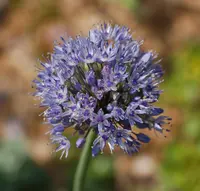
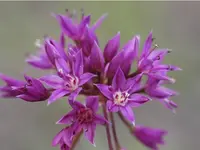
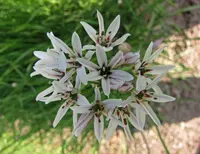
Allium denudatum is a small bulb-forming ornamental onion, valued for its delicate, star-shaped flowers held above slender, grass-like foliage. It typically forms low clumps, sending up thin flowering stems that create a light, airy display.

This species is native to parts of Asia, where it grows in open, often rocky or grassy habitats. It usually prefers sunny, well-drained sites and does not tolerate heavy, waterlogged soils.

The plant is generally considered manageable for gardeners who understand basic bulb care. Knowing how to care for Allium denudatum mainly involves providing enough light, avoiding excess moisture, and allowing a dry rest after the growing season.

Main Plant Requirements

Care Difficulty

Easy Care

Light Preference

Full Sun

Water Requirements

Low Water

Temperature Preference

Cold Hardy

Hardiness Zone

5–9

Soil Texture

Sandy, Loamy, Rocky

Soil pH

Slightly acidic (6.5–7.0), Neutral (7.0)

Soil Drainage

Well-drained

Fertilization

Minimal (feed rarely)

Get Personalized Care Plan

Scan your plant to receive care tips personalized for your specific plant

Available on iOS and Android

How to Care for the Allium denudatum

This bulb prefers bright, open conditions that mimic a sunny, rocky habitat.

  • Provide 6–8 hours of direct sun daily; full sun is best, especially in spring when foliage is actively growing.
  • Tolerates light afternoon shade in hotter regions, but flowering of Allium denudatum declines in sites with less than 4–5 hours of sun.
  • Avoid deep shade, which leads to weak, floppy stems; in cloudy climates, choose the brightest south- or west-facing spot available.

This hardy bulb prefers infrequent, deep watering in sharply drained soil.

  • In active growth, water only when the top 3–5 cm of soil are completely dry, then soak the root zone once rather than giving small, frequent sips.
  • During summer dormancy, keep soil almost dry, supplying only occasional light water if the ground is extremely parched or the bulbs are in containers.
  • Watch for yellowing, mushy foliage or a rotting bulb neck as signs of overwatering, and crisp leaf tips or shriveling bulbs as signs of underwatering.

This species thrives in climates with cool to mild growth periods and cold, dry dormancy.

  • Active growth is strongest at 55–70°F (13–21°C), with bulbs able to initiate normally after a cool winter period.
  • Dormant bulbs tolerate down to about 0°F (-18°C) in well-drained soil; prolonged wet cold below 20°F (-7°C) greatly increases rot risk.
  • Handles dry summer heat up to 90–95°F (32–35°C) if soil is not wet; sustained heat above this can shorten flowering and stress foliage.

This bulb tolerates typical indoor humidity and does not need special moisture in the air.

Allium denudatum prefers sharply drained, mineral-rich soil that dries quickly after rain or watering.

  • Use a sandy or gritty loam with 30–50% coarse sand, fine gravel, or grit to prevent water retention around the bulb.
  • Incorporate a modest amount of compost or well-rotted leaf mold to provide nutrients without making the mix heavy or soggy.
  • Aim for slightly alkaline to neutral pH, roughly 6.8–7.5, avoiding very acidic mixes that can limit nutrient availability.
  • Avoid compacted clay, peat-heavy, or waterlogged substrates, and ensure the top 3–5 cm dry between waterings to protect against rot.

This species is well suited to container growing when the pot is free-draining and not moisture-retentive.

  • Choose a pot at least 20–25 cm deep so the bulb sits with 2–3 times its height of mix above the basal plate.
  • Use a heavy clay or ceramic container if wind exposure is high, as flower stalks can make the pot top-heavy.
  • Raise the pot on feet or bricks so drainage holes stay clear and excess water escapes rapidly after rain or irrigation.

This bulb needs only light feeding to perform well in most garden soils.

  • Apply a balanced, slow-release fertilizer (for example 5-5-5 or 10-10-10) at a low rate in early spring as new growth appears.
  • In lean, sandy soils, supplement with a thin layer of compost over the root zone, keeping it off the bulb itself.
  • Feed once more after flowering to support bulb replenishment, then stop fertilizing as foliage begins to yellow and enter dormancy.
  • Use around half the label-recommended strength for container-grown Allium denudatum to avoid salt buildup and bulb damage.

Pruning needs are minimal and focus on tidiness and bulb health.

  • In late spring or early summer, deadhead spent flower stalks using clean, sharp scissors or hand pruners to prevent unwanted self-seeding.
  • Allow green leaves to remain until they yellow and collapse naturally, since they are storing energy in the bulb.
  • Remove only dead, damaged, or diseased foliage at the base to limit pathogen spread without stressing the plant.
  • In mixed plantings, trimming browned stems improves appearance but does not significantly affect flowering the following year.

This ornamental allium is usually grown in the ground and only occasionally handled once established.

  • Lift and transplant clumps every 3–5 years if flowering declines, bulbs become crowded, or growth is noticeably weaker.
  • Choose late summer to early autumn, after foliage has fully died back, so bulbs are dormant and less prone to stress.
  • Dig around and under the bulbs carefully, keeping roots and offsets intact, then replant at the same depth in well-drained soil.
  • Water lightly after transplanting to settle soil, then allow the area to dry slightly between waterings while new roots establish.

Propagation is most reliable by bulb division, with seed used mainly for longer-term increase.

  • Divide mature clumps in late summer or early autumn, when bulbs are dormant and the soil is relatively dry.
  • Gently separate offsets from the parent bulbs of Allium denudatum, keeping basal plates and any attached roots intact.
  • Replant bulbs and offsets at 2–3 times their height in depth, spacing them to allow air flow and future expansion.
  • For seed, sow fresh in a free-draining mix, keep evenly moist and cool, and expect germination to take several weeks or longer.

This hardy bulb tolerates typical winter conditions in many temperate gardens with little intervention.

  • In climates with cold, wet winters, use a light mulch layer to help keep the soil around the bulbs free-draining rather than saturated.
  • Apply 3–5 cm of loose mulch, such as shredded bark or leaf mold, after the ground cools but before severe freezes.
  • In containers, move pots to a sheltered, unheated spot where they receive cold but avoid repeated freeze-thaw cycles that can damage bulbs.

Care Tips

Bulb lifting schedule

Mark planting spots and lift dormant bulbs every 3–4 years in late summer, replanting the firm, healthy bulbs into refreshed, well-drained soil to maintain flowering vigor when growing Allium denudatum.

Crowding control

Each year after foliage dies back, gently loosen the soil and thin out congested clumps, spacing bulbs 8–10 cm apart to reduce competition and improve flower size.

Targeted slug management

Place rough mineral barriers such as horticultural grit or crushed gravel around planting pockets in early spring to deter slugs and snails from chewing emerging shoots.

Flower head support

In windy sites, insert discreet, thin stakes or low rings around the developing stems before the flower heads fully expand to prevent lodging and stem breakage.

Seed head handling

If self-seeding is unwanted, deadhead as soon as the florets fade, but if more bulbs are desired, leave some seed heads to mature fully and then sow collected seed in trays with gritty mix for propagation.

Common Pests and Diseases

onion thrips

These insects rasp leaf surfaces and suck sap, leading to silvery streaks, fine speckling, and gradual leaf weakening on the narrow foliage. Symptoms include distorted, dull leaves that may yellow and dry from the tips, especially in hot, dry weather.

Solution

Inspect foliage regularly, then rinse leaves thoroughly with a firm stream of water to dislodge thrips and repeat weekly during outbreaks. For persistent problems, apply insecticidal soap or a spinosad-based product in the evening, ensuring good coverage of both sides of the leaves, and reduce plant stress with consistent watering to support recovery when growing Allium denudatum outdoors in dry climates.

onion fly maggots

These insects lay eggs at the base of bulbs; the larvae tunnel into the bulb and roots, causing sudden yellowing, collapse of leaves, and rotting bulbs. Symptoms include soft, foul-smelling bulbs that fail to flower or regrow.

Solution

Remove and destroy affected bulbs immediately to prevent larvae from completing their life cycle, and do not compost infested material. Use fine mesh or horticultural fleece over the planting area during the main egg-laying period, rotate planting spots each year, and keep the soil surface clean of plant debris that can attract adult flies.

downy mildew

This disease causes pale, slightly sunken patches on leaves that later turn yellow, then brown, often with a faint gray or purplish mold on the undersides in humid weather. Symptoms include premature leaf collapse that weakens the bulb and reduces flowering.

Solution

Improve air circulation around plants by avoiding overcrowding and watering at the soil level rather than on foliage, preferably in the morning so leaves dry quickly. Remove and discard affected leaves, avoid overhead irrigation in cool, damp periods, and if outbreaks recur, consider using a labeled copper-based or phosphonate fungicide preventively on nearby alliums.

Botrytis leaf blight

This disease produces small, water-soaked spots on leaves that expand into elongated, tan lesions, sometimes with a fuzzy gray mold in wet conditions. Symptoms include progressive leaf dieback from the tips downward, which can reduce bulb vigor and flowering.

Solution

Promptly cut off and dispose of infected leaf sections, keeping tools clean between plants, and avoid wetting foliage when irrigating. Space clumps so leaves dry quickly after rain, remove spent flower stems and plant debris at season’s end, and in sites with repeated issues, use disease-free bulbs and rotate to a drier, better-ventilated location.

bulb nematodes

These microscopic worms invade the bulb and basal plate, causing swollen, misshapen, or spongy bulbs and stunted, twisted shoots. Symptoms include poor emergence, patchy growth, and bulbs that split or show brownish, dry internal tissue.

Solution

Discard any suspect bulbs and do not replant in the same soil for several years, as nematodes persist in the ground and on debris. Start with certified clean bulbs, avoid planting in heavy, compacted, or poorly drained soil, and consider solarizing infested beds during summer by covering moist soil with clear plastic for several weeks to reduce nematode populations.

Interesting Facts

Himalayan rock specialist

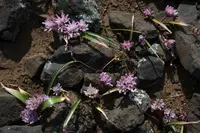
This species is naturally restricted to rocky, high-elevation slopes of the western Himalaya, where it grows in thin, fast-draining soils that experience strong seasonal temperature shifts.

Threadlike foliage habit

The plant develops very narrow, almost hairlike leaves that emerge before or with the flower stems, then often wither early in the season as the bulb enters a semi-dormant phase.

Loose rose-purple umbels

Its inflorescences form small, open clusters of rose-purple flowers on slender stalks, giving a delicate, airy appearance compared with the dense, globular heads of many ornamental onions.

FAQs about Allium denudatum

Lack of flowers often comes from bulbs being too young, planted too shallow, or weakened by previous heavy foliage removal. Crowded clumps, depleted soil nutrients, or excessive summer moisture can also reduce flowering in the following season.

Grow Healthy Plants with Botan Care

Keep your plants happy and healthy with plant identification, disease detection, and easy care guidance.

Botan plant care app — identify plants on mobile

Explore More Plants