shrimpplant Care (Justicia brandegeeana)

shrimpplant

About shrimpplant

Shrimpplant, Justicia brandegeeana, is a tropical flowering shrub known for its drooping bracts that resemble cooked shrimp. It stays compact and bushy, making it suitable for containers or small gardens.

This species is native to Mexico, where it grows in warm, bright conditions with some natural shade. It blooms over a long season, attracting hummingbirds outdoors and adding color indoors.

Shrimpplant is generally considered easy to grow, as it tolerates regular pruning and adapts to typical household conditions if given adequate light and moderate moisture. Understanding how to care for shrimpplant mainly involves providing bright, indirect light and a well-draining potting mix.

Main Plant Requirements

Care Difficulty

Easy Care

Light Preference

Partial Shade

Water Requirements

Regular Water

Temperature Preference

Tropical / Frost Sensitive

Hardiness Zone

9–11

Soil Texture

Sandy, Loamy, Organic-rich

Soil pH

Acidic (5.5–6.5), Slightly acidic (6.5–7.0)

Soil Drainage

Moist but well-drained

Fertilization

Light (every 4–6 weeks)

Get Personalized Care Plan

Scan your plant to receive care tips personalized for your specific plant

Available on iOS and Android

How to Care for the shrimpplant

This species grows best in bright, indirect light that mimics dappled tropical sun.

  • Provide 4–6 hours of bright, filtered light daily, such as under light tree cover or on an east-facing side with morning sun and afternoon shade.
  • Tolerates partial shade, but flowering and bract color of shrimpplant decrease in very low light; stems may stretch and become leggy.
  • Avoid harsh midday sun in hot climates, which can scorch bracts and leaves; give more shade in summer and slightly more exposure in winter.

Watering should keep the soil consistently lightly moist but never saturated.

  • Allow the top 2–4 cm of soil to dry before watering again; check with a finger rather than following a fixed schedule.
  • Increase watering during active growth and flowering in warm months, then reduce in cooler seasons while avoiding complete soil dryness around the root zone of Justicia brandegeeana.
  • Watch for limp, curling leaves as a sign of underwatering, and yellowing leaves or persistent soggy soil as signs of overwatering; use well-drained soil to prevent root rot.

This plant prefers warm, frost-free conditions typical of subtropical gardens.

  • Aim for 65–80°F (18–27°C) for steady growth and flowering; short dips outside this range are tolerated if not prolonged.
  • Protect from cold below 50°F (10°C); foliage damage occurs near 40°F (4°C), and true frost can kill stems to the ground or the whole plant.
  • In hot regions, plants tolerate 90–95°F (32–35°C) if soil moisture is stable and roots are mulched; heat combined with drought stress reduces flowering and scorches leaves.

This species prefers moderate humidity but adapts to most home conditions.

  • Aim for 40–60% humidity to keep foliage and bracts looking fresh on shrimpplant.
  • Tolerates short periods of drier indoor air, but prolonged levels below 30% can slow growth and crisp leaf edges.
  • Watch for curled, browning leaf tips and increased spider mites as signs of low humidity stress, and raise humidity with a nearby tray of water and pebbles or a small room humidifier.

Justicia brandegeeana prefers a loose, evenly moist, well-drained mix that resists waterlogging.

  • Use a light, loamy mix such as 2 parts peat- or coco-based potting mix, 1 part compost, and 1 part perlite or coarse sand for structure and aeration.
  • Ensure rapid drainage; water should exit the pot within seconds, not pool on the surface or leave the mix soggy for days.
  • Aim for slightly acidic to neutral pH around 6.0–7.0, avoiding strongly alkaline mixes that can limit nutrient availability and cause chlorosis.
  • Avoid heavy clay, compacted garden soil, or mixes with high fine-peat content that stay wet and exclude air from the roots.

This species adapts very well to container growing.

  • Choose a pot wide enough to accommodate its bushy spread so branches do not overhang and snap under their own weight when watered.
  • Select a slightly heavier container material, such as ceramic, to keep the plant stable as top growth becomes dense and flower bracts develop.
  • Use a raised pot stand or feet so drainage holes stay clear and excess water leaves the container quickly, reducing root rot risk.

Justicia brandegeeana responds well to light feeding that supports continuous blooming without forcing soft, weak growth.

  • Use a balanced liquid fertilizer (such as 10-10-10 or 20-20-20) at 1/4–1/2 strength for shrimpplant during active growth.
  • Apply every 4–6 weeks in spring and summer, on already moist soil to avoid root burn.
  • Pause feeding or reduce to 1 light application in fall and winter when growth slows.
  • Organic options like compost or slow-release pellets can be applied sparingly at the start of the growing season.

Pruning helps Justicia brandegeeana stay compact, branching well and flowering more evenly.

  • Plan main pruning in late winter or early spring before strong new growth starts.
  • Use clean, sharp scissors or hand pruners to remove dead, damaged, or crossing stems.
  • Tip back long, leggy shoots by 1/3 to encourage bushier growth and more flowering points.
  • After each main flush of blooms, lightly trim faded bracts to maintain shape and stimulate new shoots.

Container-grown Justicia brandegeeana benefits from periodic repotting to maintain root health and sustained flowering.

  • Check for roots circling the pot, growing from drainage holes, or noticeably slower growth as signs it needs more space.
  • Repot every 2–3 years in spring, moving to a container 2–5 cm wider with well-drained, peat-free potting mix.
  • Gently loosen circling roots, remove some old soil, and keep the plant at the same depth to reduce stress.
  • Water thoroughly after potting, then keep in bright, indirect light for 7–10 days to allow roots to recover.

New Justicia brandegeeana plants are most often produced from softwood stem cuttings taken in warm months.

  • Take 7–10 cm non-flowering tip cuttings in late spring or summer, removing lower leaves.
  • Insert cuttings into moist, well-drained medium such as perlite and peat or a light seed-starting mix.
  • Maintain 70–80°F, high humidity, and bright, indirect light; optional rooting hormone improves success.
  • Keep the medium just slightly moist; once roots form and new growth appears, pot each cutting individually.

This subtropical shrub is frost-tender and needs thoughtful winter care outside warm climates.

  • In regions below USDA zone 9, grow in containers and move indoors before temperatures drop near 40°F.
  • Indoors, provide bright, indirect light and slightly reduced watering while growth slows.
  • Outdoors in mild climates, add a 5–8 cm mulch layer over the root zone to buffer soil temperature.
  • Remove any frost-damaged stems in late winter once the risk of hard freezes has passed.

Care Tips

Refresh Old Bracts

After a heavy flush of flowers, lightly thin out the oldest, dullest bracts so light can reach inner shoots and trigger new, colorful growth rather than leaving the plant covered in spent spikes.

Strategic Tip Pinching

Pinch out only the very soft shoot tips on fast-growing stems in late spring and early summer to encourage a denser, dome-shaped plant while still allowing enough long shoots to carry showy flower bracts.

Seasonal Pot Rotation

Rotate the container by 90° every 1–2 weeks during the active growing season so stems do not lean permanently in one direction and the plant builds a more balanced, self-supporting framework.

Targeted Pest Scouting

Check the undersides of bracts and the tender stem joints weekly for spider mites and whiteflies, since these sheltered spots are where pests usually establish first on this species.

Controlled Outdoor Hardening

If moving a plant outdoors for summer, introduce it to brighter light and wind over 7–10 days by starting in open shade and gradually stepping up exposure, which reduces leaf scorch and stress when growing shrimpplant on a patio or balcony.

Common Pests and Diseases

Spider mites

This pest often appears in warm, dry indoor conditions and feeds on the underside of leaves, causing fine stippling, dull foliage, and webbing between stems and leaves.

Solution

Rinse foliage thoroughly with a strong but gentle stream of water, focusing on leaf undersides, then increase humidity and airflow; if needed, apply insecticidal soap or neem oil every 5–7 days until no new damage appears.

Whiteflies

These insects congregate on tender new growth and leaf undersides, flying up in a small cloud when the plant is disturbed and causing yellowing and leaf drop.

Solution

Vacuum or shake adults off outdoors, then wash the plant with water and treat leaf undersides with insecticidal soap; use yellow sticky traps and repeat treatments weekly until populations decline.

Mealybugs

This pest appears as white, cottony clusters in leaf axils and along stems, where it sucks sap and can cause stunted growth and sticky honeydew on leaves.

Solution

Remove visible insects with a cotton swab dipped in 70% isopropyl alcohol, then wash foliage and treat with neem oil or insecticidal soap, repeating every 7–10 days and isolating the plant from others during treatment.

Leaf spot (fungal)

This disease produces tan to brown spots with darker borders on leaves, often after periods of high humidity and poor air circulation, which can lead to premature leaf drop.

Solution

Prune and discard affected leaves, avoid overhead watering, improve spacing and airflow, and if spotting continues, apply a copper-based or sulfur-based fungicide according to label directions during the active growing season.

Powdery mildew

This disease shows as a white or grayish powdery coating on leaves and bracts, causing distorted new growth and reduced flowering under crowded, humid, low-light conditions common in shrimpplant indoor care.

Solution

Improve light and airflow, avoid wetting foliage, remove heavily infected leaves, and use a labeled fungicide such as potassium bicarbonate or neem oil, applying in the evening and repeating as directed until new growth appears clean.

Interesting Facts

True bracts, tiny flowers

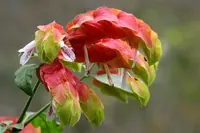
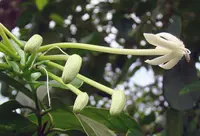
The showy yellow, orange, or red “shrimp” segments are actually overlapping bracts, while the true flowers are small, white tubular blooms that protrude briefly and are often overlooked by casual observers.

Year‑round blooming habit

In warm, frost‑free climates or stable indoor conditions, this species can flower almost continuously, with individual bracts persisting for weeks and new flowering spikes forming through much of the year.

Native to Mexican understory

This plant is naturally found in the semi‑shaded understory of tropical and subtropical regions of eastern Mexico, where it grows as a loose, twiggy shrub in leaf‑littered, well‑drained soils.

Botan icon

Did you know?

In some regions outside its native range, such as parts of Florida and other frost‑free areas, this species has naturalized in gardens and nearby landscapes, demonstrating its ability to persist and reseed without becoming a highly invasive shrub.

FAQs about shrimpplant

Lack of blooms usually comes from insufficient light, low nutrients, or old, unpruned stems. Provide bright conditions, feed lightly during the growing season, and prune after flowering to stimulate new growth, which carries the bracts and flowers.

Grow Healthy Plants with Botan Care

Keep your plants happy and healthy with plant identification, disease detection, and easy care guidance.

Botan plant care app — identify plants on mobile

Explore More Plants