Cascade onion Care (Allium cratericola)

Cascade onion

About Cascade onion

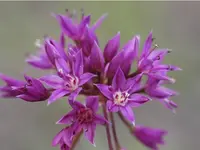
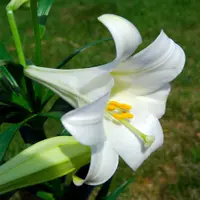
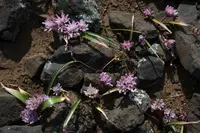
Cascade onion (Allium cratericola) is a small, bulb-forming perennial in the onion family, valued for its compact size and delicate spring blooms. It typically forms low clumps of narrow leaves topped with rounded clusters of pale to deep pink flowers.

This species is native to rocky slopes and open habitats in parts of California, where it often grows in thin, well-drained soils. Its drought tolerance and modest size make it suitable for rock gardens and naturalistic plantings, though it can be short-lived outside ideal conditions.

It prefers sunny, open sites with good drainage and moderate moisture during active growth, then drier conditions in summer dormancy, which guides how to care for Cascade onion.

Main Plant Requirements

Care Difficulty

Moderate Care

Light Preference

Full Sun

Water Requirements

Low Water

Temperature Preference

Cold Hardy

Hardiness Zone

5–8

Soil Texture

Sandy, Loamy, Rocky

Soil pH

Slightly acidic (6.5–7.0), Neutral (7.0)

Soil Drainage

Well-drained

Fertilization

Minimal (feed rarely)

Get Personalized Care Plan

Scan your plant to receive care tips personalized for your specific plant

Available on iOS and Android

How to Care for the Cascade onion

This small bulb from dry, open habitats needs ample sun to flower well.

  • Provide 6–8 hours of direct sun daily; full morning sun plus light afternoon shade suits most garden sites.
  • Cascade onion tolerates light dappled shade, but too much shade leads to weak, floppy foliage and few blooms.
  • In hotter regions, protect from intense late-afternoon sun to reduce leaf scorch, while in cool coastal climates it can handle full-day exposure.

This species prefers dry-leaning conditions and is sensitive to excess moisture around the bulbs.

  • Water only when the top 3–5 cm of soil are dry, then soak thoroughly so moisture reaches the root zone and drains away fast.
  • During active spring growth, monitor rainfall; in well-drained ground, supplemental watering is often needed only after prolonged dry spells.
  • In summer dormancy, keep soil almost dry; soft, yellowing leaves with a swampy smell suggest overwatering, while crisp, folding leaves indicate drought stress.

This bulb is naturally adapted to climates with cool, wet winters and warm, dry summers.

  • Active growth is best at 55–75°F (13–24°C), with flowering supported by a preceding cool winter period.
  • Established plants typically tolerate winter lows down to about 15–20°F (-9 to -6°C) if soil drains well and bulbs do not sit in frozen, waterlogged ground.
  • During summer, it handles dry heat up to about 90°F (32°C) if shaded slightly and kept dry, but prolonged hotter spells can shorten foliage life.

Humidity is rarely a concern for Allium cratericola, which prefers dry air similar to its native habitats.

Allium cratericola prefers sharply draining, mineral-rich soil that mimics rocky slopes.

  • Use a sandy or gritty loam with 30–50% coarse material such as pumice, perlite, or horticultural grit.
  • In the ground or pots, aim for soil that drains completely within a few minutes after watering to prevent bulb rot.
  • Keep pH slightly alkaline to neutral (pH 7.0–7.8) by incorporating a small amount of crushed limestone if your soil is acidic.
  • Avoid heavy clay, waterlogged spots, or mixes dominated by fine peat that stay wet around the bulbs.

This species can grow reliably in containers when drainage and bulb spacing are carefully managed.

  • Choose a pot at least 20–25 cm deep so bulbs can sit with 5–8 cm of mix beneath them for insulation and root spread.
  • Use a wider, heavier container to keep the tall flowering stems from tipping the pot in wind.
  • Raise the pot on feet or bricks so drainage holes stay clear and excess water exits quickly after rain or irrigation.

This small bulb from dry, rocky habitats needs only modest feeding to stay healthy.

  • For Cascade onion in lean garden soils, apply a light top-dressing of compost in early spring before strong growth begins.
  • In containers, use a balanced, slow-release fertilizer (around 10-10-10) at 1/2 strength at the start of the growing season.
  • During active growth, a diluted balanced liquid feed once every 4–6 weeks is enough if leaves appear pale or growth is weak.
  • Stop feeding once foliage starts yellowing and the plant moves into dormancy; do not fertilize in winter.

Allium cratericola needs minimal pruning, mainly to keep the clump tidy and reduce disease risk.

  • Cut spent flower stalks at the base after blooming to prevent unwanted self-seeding and keep a neat appearance.
  • Remove yellowing or damaged leaves with clean, sharp scissors or hand pruners to reduce fungal issues.
  • Avoid cutting green, healthy foliage during the growing season, as leaves are needed to recharge the bulbs.
  • In late season, allow leaves to dry fully, then gently pull or trim them off once they detach easily.

This compact bulb is usually grown in the ground or rock gardens and is only occasionally moved or divided.

  • Transplant or divide clumps in late summer to early fall, after foliage has died back and bulbs are dormant.
  • Look for crowded clumps, declining flowering, or small, weak leaves as signals that bulbs need lifting and division every 3–5 years.
  • Dig around the clump with a trowel, gently lift bulbs, and separate offsets by hand, keeping roots and basal plate intact.
  • Replant bulbs at the same depth in well-drained soil, water lightly to settle them, then allow them to dry between waterings to reduce stress.

This species is commonly propagated by bulb division and sometimes from seed under suitable conditions.

  • Divide established clumps in late summer or early fall, lifting bulbs carefully and separating firm offsets from the parent bulb.
  • Replant divisions immediately in sharply drained soil, spacing bulbs so they are not crowded, and water once to settle them in.
  • Sow ripe seeds in trays with gritty, free-draining mix, leaving them outdoors for natural cold stratification over winter.
  • Keep seed trays just moist, expecting uneven germination and several years of growth before flowering-size bulbs develop.

Allium cratericola is reasonably cold hardy in much of its range and generally needs only light winter attention.

  • In the ground, a 3–5 cm layer of dry mulch over the bulb zone in late fall helps buffer freeze–thaw cycles.
  • Avoid waterlogged winter soils; ensure excellent drainage so dormant bulbs do not rot in cold, wet conditions.
  • For containers, move pots to a sheltered, cold but not soaking-wet location and reduce watering to a minimum.

Care Tips

Bulb clump management

Lift and divide crowded clumps every 3–4 years just after foliage dies back, replanting only firm, healthy bulbs at the original depth to maintain flowering quality and prevent decline.

Summer dormancy protection

Mark bulb locations before foliage disappears, then keep the area free of heavy mulch and foot traffic through summer so the bulbs remain dry and undisturbed during dormancy.

Rock-garden placement

Plant bulbs in rock crevices or at the top edge of a slope with gritty backfill to mimic their natural habitat, improving drainage and helping small plants stand out visually.

Targeted pest exclusion

In areas with rodents or digging pets, place bulbs in small mesh bulb cages or line the planting hole with hardware cloth, ensuring roots can grow through while bulbs stay protected.

Seedling colony building

After flowering, allow some heads to set seed and gently shake them over nearby gritty soil, marking the area so slow-growing seedlings are not weeded out in the first 1–2 years of growing Cascade onion.

Common Pests and Diseases

Onion thrips

This pest feeds on leaves and scapes, causing silvery streaks, fine speckling, and gradual yellowing that weakens flowering and bulb formation.

Solution

Monitor plants frequently in warm, dry weather, then reduce dust and overhead stress, hose foliage to dislodge insects, and apply insecticidal soap or a spinosad-based spray to the leaf bases and undersides, repeating as needed while avoiding treatment during peak pollinator activity.

Allium leaf miner

This pest creates puncture rows on leaves where eggs are laid, and the larvae tunnel inside leaves and into the bulb, leading to distorted growth and rotting tissues.

Solution

Use fine insect mesh or row cover during known flight periods, remove and destroy infested foliage and bulbs, and rotate planting sites; in areas with established populations, time sowing or planting to avoid peak adult activity and use targeted insecticidal sprays only when monitoring confirms presence.

Botrytis leaf blight

This disease causes elongated water-soaked lesions that turn tan to brown, often with a soft, blighted appearance and in humid periods may show gray fungal growth.

Solution

Increase spacing for better airflow, avoid overhead watering, promptly remove and discard infected leaves, and in damp climates consider a preventive fungicide labeled for ornamental Allium when extended wet weather is forecast.

White rot

This disease affects bulbs and roots, causing yellowing, collapse of foliage, and white, fluffy fungal growth with tiny black sclerotia at the bulb base.

Solution

Immediately remove and destroy infected plants including surrounding soil, avoid replanting Allium species in the same spot for many years, and plant only clean bulbs in well-drained sites; in high-risk areas, consider raised beds with fresh, pathogen-free soil to continue growing Cascade onion successfully.

Interesting Facts

Endemic volcanic specialist

This species is native to a very limited area in California, where it typically grows on rocky volcanic or gravelly slopes and in open woodland clearings, occupying shallow, fast-draining soils that many other plants cannot tolerate.

Low-growing miniature onion

Unlike many ornamental alliums with tall flowering stalks, this plant stays very compact, usually only a few inches tall, forming small clumps that tuck into rock crevices and shallow soil pockets.

Spring ephemeroid lifestyle

The plant behaves like a geophyte, using an underground bulb to leaf out and flower in spring, then retreating to dormancy as the dry summer conditions of its native habitat set in.

FAQs about Cascade onion

Lack of flowering usually comes from insufficient light, immature bulbs, or overcrowding. Nutrient-poor or very rich soils, especially high nitrogen, can also reduce bloom. Allow foliage to die back naturally so bulbs recharge for the next season.

Grow Healthy Plants with Botan Care

Keep your plants happy and healthy with plant identification, disease detection, and easy care guidance.

Botan plant care app — identify plants on mobile

Explore More Plants