Annual bulb lifting
In warm, wet, or heavy soils, lift the bulbs every 2–3 years after foliage dies back, dry them in the shade for a few days, then replant into fresh, well-drained ground to prevent rot and maintain flowering strength.

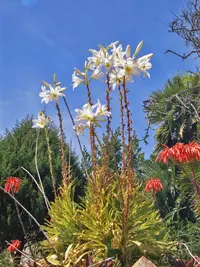
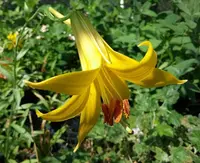
White lily, Lilium candidum, is a bulb-forming perennial known for its tall stems and large, trumpet-shaped white flowers with a strong fragrance. It forms an evergreen or semi-evergreen leaf rosette at the base, with flowering stems rising above in late spring to early summer.
This species is native to the eastern Mediterranean and has a long history in traditional gardens and religious symbolism. It prefers sunny, sheltered spots with well-drained, fertile soil and dislikes waterlogged conditions, which can rot the bulbs.
Lilium candidum is moderately demanding, as it needs stable soil conditions and careful handling of the bulbs, but it is long-lived once established. Understanding how to care for White lily makes it easier to keep healthy and flowering reliably.

Care Difficulty
Moderate Care

Light Preference
Full Sun

Water Requirements
Moderate Water

Temperature Preference
Cold Hardy

Hardiness Zone
4–9

Soil Texture
Sandy, Loamy, Organic-rich

Soil pH
Slightly acidic (6.5–7.0), Neutral (7.0)

Soil Drainage
Well-drained

Fertilization
Light (every 4–6 weeks)
Scan your plant to receive care tips personalized for your specific plant
Available on iOS and Android
This species prefers bright, open conditions similar to a sunny border in its native range.
This bulb prefers steady moisture in active growth but reacts poorly to waterlogged soil.
This hardy bulb tolerates cool winters and moderate summers when extremes are avoided.
This species grows best in relatively dry air, so ambient indoor levels are usually sufficient.
Lilium candidum prefers a well-drained, moderately fertile, slightly alkaline substrate that never stays waterlogged.
This species can be grown in containers if the pot is deep and drainage is carefully managed.
Lilium candidum benefits from modest, well-timed feeding that supports flowering without forcing soft, weak growth.
Lilium candidum needs light, targeted pruning to keep bulbs healthy and flowering well.
Transplanting White lily is needed only every few years, as bulbs prefer to remain undisturbed.
Lilium candidum is commonly propagated by bulb division and basal bulbils rather than by cuttings.
Lilium candidum is fairly cold hardy in many temperate climates but benefits from simple winter preparation.

Plant Health Check
Not sure what's wrong with your plant? Check your plant's health inside the app.
This species is native to the eastern Mediterranean, especially the Balkans and parts of the Middle East, where it naturally grows on rocky slopes, scrub, and light woodland, rather than in dense forests.
The large white flowers open in succession along the stem and release their strongest sweet fragrance in the evening and at night, which helps attract nocturnal pollinators such as moths.
Unlike many garden lilies, this species forms a flat rosette of leaves in autumn, keeps foliage through winter in mild climates, and then sends up its flowering stem in late spring to early summer.

Pollen and floral motifs of this species have been identified in archaeological contexts from ancient Minoan and Mycenaean sites, indicating it has been cultivated and symbolically important to humans for more than 3,000 years.
Lack of flowering often comes from insufficient cold during winter, planting bulbs too shallow, or heavy shade. Overfeeding with high-nitrogen fertilizer can also reduce buds. Allow foliage to mature fully each year to recharge bulbs for next season.
Keep your plants happy and healthy with plant identification, disease detection, and easy care guidance.