Chilean Potato Vine Care (Solanum crispum 'Glasnevin')

Also known as: Chilean Potato Tree

About Chilean Potato Vine

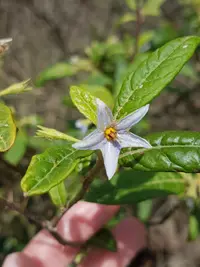
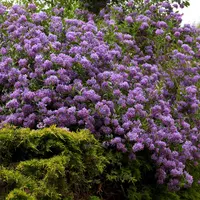
Solanum crispum 'Glasnevin', commonly called Chilean potato vine, is a vigorous, woody climber grown for its long display of starry blue‑violet flowers with yellow centers. It typically scrambles through supports, fences, or small trees, forming a dense, leafy screen when properly tied in and pruned.

This species comes from Chile and parts of western South America, where it grows in mild, relatively moist climates. In gardens, it is valued for fast growth, a long flowering season, and fairly forgiving care, which makes it approachable for gardeners learning how to care for Chilean Potato Vine.

It generally prefers full sun, evenly moist but well‑drained soil, and shelter from very cold or drying winds, especially in cooler regions.

Main Plant Requirements

Care Difficulty

Moderate Care

Light Preference

Full Sun

Water Requirements

Moderate Water

Temperature Preference

Cool Climate

Hardiness Zone

7–10

Soil Texture

Loamy, Sandy, Organic-rich

Soil pH

Acidic (5.5–6.5), Slightly acidic (6.5–7.0)

Soil Drainage

Moist but well-drained

Fertilization

Light (every 4–6 weeks)

Get Personalized Care Plan

Scan your plant to receive care tips personalized for your specific plant

Available on iOS and Android

How to Care for the Chilean Potato Vine

Solanum crispum 'Glasnevin' thrives in bright, outdoor conditions with plenty of direct light.

  • Provide 6–8 hours of sun daily, ideally with morning sun and some light afternoon shade in hotter regions to prevent leaf scorch.
  • Plant in a spot with full sun to light partial shade; Chilean Potato Vine flowers best with at least 4–6 hours of direct light.
  • In cooler climates, choose a south or west-facing aspect; in hot summers, use filtered light from nearby shrubs or structures to soften intense midday sun.

Solanum crispum 'Glasnevin' prefers evenly moist, well-drained soil rather than extremes of wet or dry.

  • Water when the top 3–5 cm of soil feels dry, letting water soak deeply, then drain away fully to avoid waterlogging around the roots.
  • Reduce watering in fall and winter, especially in cooler or wetter climates, but do not allow soil to remain bone dry for extended periods.
  • Watch for yellowing, soft leaves as a sign of overwatering and crisp, curling leaves as a sign of underwatering, then adjust frequency accordingly.

This vine grows best in mild, frost-free conditions with moderate seasonal variation.

  • Aim for active growth temperatures around 60–75°F (16–24°C), which support steady foliage development and flowering.
  • Protect plants when temperatures drop near 25–28°F (-4 to -2°C), as hard frost can damage young growth and stems, especially on new plantings.
  • In hot climates, it tolerates up to about 90°F (32°C) if soil moisture is consistent and roots are mulched to buffer heat and reduce stress.

Humidity is not a critical factor for Solanum crispum 'Glasnevin' in typical home or outdoor conditions.

Solanum crispum 'Glasnevin' grows best in loose, moderately fertile, well-drained soil.

  • Use a loamy mix with noticeable structure, combining garden loam, compost, and coarse sand or fine grit for drainage.
  • Aim for slightly acidic to neutral pH around 6.0–7.0, avoiding strongly alkaline or saline conditions that restrict nutrient uptake.
  • In heavy or clay soils, improve aeration by working in coarse compost and sharp sand or grit to prevent waterlogging.
  • Avoid compacted or permanently soggy soil, which encourages root rot and weak, poorly anchored growth.

This species adapts well to container growing when root space and stability are managed carefully.

  • Select a deep, heavy pot (ceramic or thick terracotta) to counterbalance the vine’s climbing, top-heavy growth in windy spots.
  • Choose a container at least 35–40 cm wide so roots can spread laterally, which supports stronger top growth and flowering.
  • Raise the pot on feet or bricks so drainage holes stay clear and excess water can escape quickly, preventing a saturated lower root zone.

This vigorous climber responds well to moderate feeding during the growing season to support flowering and leafy growth.

  • Apply a balanced liquid fertilizer (e.g., 10-10-10) at 1/2 strength every 2–4 weeks from spring to late summer.
  • Alternatively, use a slow-release granular fertilizer in early spring, following label rates for flowering shrubs or vines.
  • In fertile garden soil, supplement with a light layer of well-rotted compost around the root zone once a year.
  • Reduce or stop feeding Chilean Potato Vine in fall and winter, when growth slows or stops.

Pruning maintains size, encourages dense growth, and improves flowering on Solanum crispum 'Glasnevin'.

  • Carry out main pruning in late winter or very early spring before active growth starts.
  • Remove dead, diseased, and damaged stems first, then thin congested or crossing shoots to open the framework.
  • Shorten long, wayward stems to shape the vine and keep it within its support or allotted space.
  • Use clean, sharp bypass pruners and make angled cuts just above healthy buds or side shoots.

This vine is usually grown in the ground, so focus on careful transplanting and occasional container up-potting.

  • Transplant in early spring or early fall when temperatures are mild and soil is workable.
  • Look for signs such as roots circling the pot, water running straight through, or noticeably slowed growth before repotting.
  • Move to a container 1–2 in wider with free-draining soil, keeping the root ball at the same depth as before.
  • Handle roots gently, water thoroughly after planting, and provide shade and shelter from strong wind for 1–2 weeks to reduce stress.

Solanum crispum 'Glasnevin' is most commonly propagated from cuttings to preserve the cultivar’s traits.

  • Take semi-ripe stem cuttings in mid to late summer from non-flowering shoots 8–10 cm long.
  • Remove lower leaves, keeping 1–2 at the tip, and dip the cut end in rooting hormone if available.
  • Insert cuttings into a free-draining mix (such as 50% perlite and 50% peat-free compost) and keep just moist.
  • Maintain bright, indirect light and warmth around 65–75°F, then pot on individually once strong roots form.

This plant is moderately cold hardy but benefits from sensible winter precautions, especially in colder regions or containers.

  • In the ground, it usually tolerates light frosts but may suffer dieback in prolonged freezes below about 15–20°F.
  • Apply a 5–8 cm layer of organic mulch around the root zone in late fall, keeping it clear of the main stems.
  • For container plants, move pots to a sheltered, frost-free spot such as an unheated garage or cool greenhouse.
  • Tie in long stems to their support before winter to reduce wind damage and breakage in storms.

Care Tips

Fan-trained framework

Install horizontal wires or trellis rails 20–30 cm apart and loosely tie new stems in a fan shape, which improves flowering coverage and keeps the vine flat and stable against walls or fences.

Stem renewal pruning

Every 2–3 years, remove 1–3 of the oldest, woodiest stems at the base in late winter to encourage vigorous new shoots that carry heavier flowering laterals.

Root zone cooling

Mulch the root area with 5–8 cm of composted bark or leaf mold, keeping it a few cm away from the stem, to keep roots cooler, conserve moisture, and reduce summer stress.

Targeted support tying

Use soft, weatherproof ties in a loose figure-eight around stems and support wires, checking at least twice a year and adjusting to prevent girdling as stems thicken.

Proactive pest scouting

From late spring, inspect shoot tips and leaf undersides weekly for aphids and red spider mites, and wash them off with a firm jet of water at the first sign of infestation to avoid chemical treatments when caring for Chilean Potato Vine.

Common Pests and Diseases

Potato aphids

This pest feeds on tender shoots and leaf undersides, causing curling, yellowing, and sticky honeydew that can lead to sooty mold. Symptoms include distorted new growth and clusters of soft-bodied insects on stems and buds.

Solution

Prune and dispose of heavily infested shoot tips, then wash remaining foliage with a strong, directed stream of water to knock off aphids. For ongoing issues, use insecticidal soap or a ready-to-use neem oil spray, ensuring thorough coverage of shoot tips and leaf undersides, and encourage natural predators such as lady beetles where possible.

Red spider mites

These insects are tiny sap-feeders that thrive in hot, dry conditions, causing fine speckling, dull foliage, and in heavy cases delicate webbing on leaves and stems. Symptoms include general decline, leaf bronzing, and premature leaf drop, especially on plants grown against warm walls or in conservatories.

Solution

Increase humidity around the plant by regular hosing of the foliage and avoid very dry, stagnant air, especially for Chilean Potato Vine indoor care. Rinse leaves with water on both sides, then apply a miticide-labelled horticultural oil or insecticidal soap, repeating at 7–10 day intervals until new growth appears clean.

Leaf spot

This disease causes small brown or purplish spots on leaves that may enlarge and coalesce, sometimes with a pale center and darker edge. Symptoms include premature yellowing and leaf drop, which can thin the plant and reduce flowering.

Solution

Remove and discard affected leaves, including fallen ones, to reduce the source of infection, and avoid overhead watering that keeps foliage wet for long periods. Improve airflow by light pruning, then apply a copper-based or other appropriate ornamental fungicide at label rates if spotting continues to spread.

Powdery mildew

This disease appears as a white or gray powdery coating on leaves and young stems, often starting on shaded or crowded parts of the plant. Symptoms include distorted new growth, reduced flowering, and gradual leaf yellowing and drop if left unmanaged.

Solution

Thin congested stems to improve light and airflow, and water at the base rather than over the foliage. Remove heavily infected shoots and apply a labeled fungicide for powdery mildew, such as sulfur or a systemic ornamental fungicide, at the first signs of infection and repeat as directed.

Whiteflies

These insects are small, white, moth-like sap feeders that fly up in clouds when the plant is disturbed, often congregating on the undersides of leaves. Symptoms include sticky honeydew, yellowing, and a general loss of vigor in container-grown or sheltered plants such as those in greenhouses or patios.

Solution

Use yellow sticky traps near the plant to monitor and reduce adult numbers, and regularly hose or wipe down leaf undersides to remove nymphs. For persistent infestations, apply insecticidal soap or horticultural oil to the undersides of leaves at 5–7 day intervals, ensuring repeated coverage to break the life cycle.

Interesting Facts

Flower color change

The star-shaped flowers open a strong violet-blue and gradually fade to a softer blue with a yellow center, so a single cluster often shows several shades at once.

Long blooming season

In mild climates this cultivar can flower repeatedly from late spring into early autumn, significantly longer than many ornamental nightshades selected only for foliage.

RHS award recognition

This clone was selected in Ireland and has received the Royal Horticultural Society Award of Garden Merit for its reliable flowering performance and ornamental value.

Botan icon

Did you know?

Although a vigorous climber, this cultivar remains semi-evergreen rather than fully evergreen in many temperate gardens, often retaining a portion of its foliage through mild winters and flushing quickly again from its woody framework in spring.

FAQs about Chilean Potato Vine

This species grows quickly and can cover structures fast, but it is usually not invasive in most US gardens. It can, however, overwhelm small spaces if not pruned and monitored regularly.

Grow Healthy Plants with Botan Care

Keep your plants happy and healthy with plant identification, disease detection, and easy care guidance.

Botan plant care app — identify plants on mobile

Explore More Plants