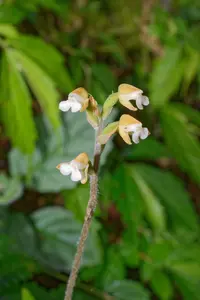
Tephroseris balbisiana Care

Tephroseris balbisiana

About Tephroseris balbisiana

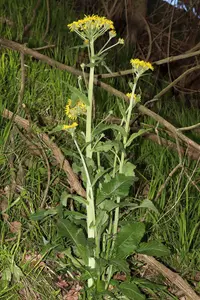
Tephroseris balbisiana is a small, clump-forming perennial herb from rocky, montane habitats in parts of southern Europe. It typically bears narrow, grey‑green leaves and bright yellow, daisy-like flower heads on slender stems.

In nature, it often grows in open, stony grasslands and scree, where drainage is excellent and competition from taller plants is low. It stays relatively compact, which suits rock gardens and troughs.

This species prefers full sun, cool conditions, and lean, well-drained soil, so it is not ideal for hot, humid climates or heavy, fertile ground. Understanding these natural conditions helps guide how to care for Tephroseris balbisiana in cultivation.

Main Plant Requirements

Care Difficulty

Moderate Care

Light Preference

Full Sun

Water Requirements

Moderate Water

Temperature Preference

Cool Climate

Hardiness Zone

5–8

Soil Texture

Sandy, Loamy, Rocky

Soil pH

Slightly acidic (6.5–7.0)

Soil Drainage

Well-drained

Fertilization

Minimal (feed rarely)

Get Personalized Care Plan

Scan your plant to receive care tips personalized for your specific plant

Available on iOS and Android

How to Care for the Tephroseris balbisiana

This mountain daisy prefers cool, bright conditions with protection from intense afternoon sun.

  • Provide 4–6 hours of direct morning sun with light shade after midday, especially in hot summers, to prevent leaf scorch and premature flowering fade.
  • In cooler climates it tolerates full sun all day, but in warmer areas use dappled or filtered light under open shrubs or light-tree canopy.
  • Watch the foliage color and habit; lanky stems and pale leaves indicate too little light, while crisped leaf edges signal excessive sun exposure.

Moist but free-draining soil suits this species best, with short dry intervals between waterings.

  • Let the top 2–3 cm of soil dry before watering again, then soak the root zone thoroughly so water penetrates 15–20 cm deep.
  • Reduce watering in cool or rainy periods and during winter dormancy, aiming for just enough moisture to prevent the soil from staying bone dry for long.
  • Ensure gritty, well-drained soil or a slope; yellowing, limp foliage and a sour smell suggest overwatering, while wilting with dry soil signals underwatering.

This alpine perennial prefers cool to mild temperatures and does not thrive in extreme heat or severe lowland frost.

  • Aim for active growth in 50–68°F (10–20°C), conditions that mirror its mountain habitat and support compact, sturdy plants.
  • Mature plants usually tolerate brief drops to about 20°F (-6°C) if soil drains well, but repeated freeze-thaw in wet ground can damage crowns.
  • Heat above 80°F (27°C), especially with strong sun, can stress plants; provide shade and extra airflow during hot spells to limit decline.

This alpine species tolerates typical outdoor humidity and usually does not need special humidity management.

This species prefers cool, moist but sharply drained, mineral-rich soil.

  • Use a gritty, loamy mix with roughly 50–60% mineral material such as coarse sand or fine gravel and 40–50% organic matter like composted bark.
  • Ensure very rapid drainage by avoiding clay-heavy substrates and adding 10–20% perlite if water lingers on the surface.
  • Aim for slightly acidic to neutral pH around 6.0–7.0, avoiding strongly acidic or lime-rich conditions unless locally adapted forms are known.
  • For slopes or rock gardens, mix in angular grit to keep pores open and prevent compaction around the crown.

This species can be grown in containers if the pot mimics its naturally cool, sharply drained, rocky habitat.

  • Choose a deep, heavy container that anchors the plant and provides a cooler root zone than shallow, thin-walled pots.
  • Fill the pot with a gritty, mineral-based mix and keep the rim slightly elevated so water cannot pool around the crown.
  • Place the container where rain can flush the substrate but avoid locations where runoff from roofs or larger pots could saturate it.

This alpine-type perennial usually grows well in lean soil and needs only light feeding in cultivation.

  • Apply a thin layer of compost or well-rotted leaf mold around plants once in early spring, avoiding direct contact with the crowns.
  • If growth appears weak, use a dilute balanced NPK fertilizer (around 10-10-10) at 1/2 strength, 1–2 times during the growing season.
  • Skip synthetic fertilizer in nutrient-rich garden soils to prevent lush, floppy foliage and reduced flowering.
  • Do not feed during late fall and winter, as Tephroseris balbisiana is dormant and extra nutrients are not used.

Pruning needs are minimal and mainly focus on maintaining plant health and clean appearance.

  • In late spring to early summer, deadhead spent flower stems at the base to encourage a tidier clump and sometimes a light rebloom.
  • Remove dead, diseased, or winter-damaged leaves as soon as noticed, using clean, sharp scissors or hand pruners.
  • Thin out congested rosettes after flowering to improve air circulation and reduce fungal issues.
  • Avoid heavy cutting into healthy crowns, as this can weaken Tephroseris balbisiana and reduce vigor the following season.

This species is better suited to rock gardens and open ground than to long-term container culture.

  • Plan any transplanting for early spring or early fall, when temperatures are mild and soil moisture is even.
  • Move plants only when clumps become crowded or flowering declines, typically every 3–5 years in garden settings.
  • Lift with a broad trowel, keeping as much root ball and surrounding soil intact as possible to limit root disturbance.
  • Water thoroughly after transplanting, then keep soil evenly moist but not waterlogged until new growth confirms recovery.

Propagation of this species is usually done in controlled collections rather than by casual gardeners, as it can be sensitive.

  • Sow fresh seed in late summer to fall in a gritty, free-draining mix; many seeds need a cold period to break dormancy.
  • Place seed trays outdoors or in a cold frame so they experience natural winter chilling and gentle spring warming.
  • Keep the substrate just moist, not wet, to reduce damping-off, a fungal disease that kills young seedlings.
  • In established clumps, careful division in early spring can be attempted, but each division must keep a solid root mass and crown.

This montane perennial is generally cold hardy but benefits from some root-zone attention in harsher winters.

  • Tolerates typical temperate frosts, but prefers well-drained soil that does not stay waterlogged during freeze–thaw cycles.
  • After the ground cools, add a light mulch of gravel or coarse grit around crowns to improve drainage and insulate roots.
  • In very cold or wet climates, container-grown plants can be moved to a cold frame or unheated porch to avoid saturated, frozen compost.

Care Tips

Rocky slope positioning

Plant on a slight slope or in a rock garden pocket so excess water drains away quickly, which mimics its natural alpine habitat and greatly reduces crown rot risk when growing Tephroseris balbisiana.

Gritty top-dressing

After planting, add a 1–2 cm layer of fine gravel or horticultural grit around the crown to keep leaf bases dry, limit soil splash, and discourage fungal leaf spots.

Snow and frost management

In cold, wet winters, use a breathable cloche or low tunnel to keep snow and persistent moisture off the rosette, then remove it promptly in early spring to prevent overheating and etiolation (weak, stretched growth).

Targeted deadheading

Cut spent flower stems back to the basal rosette as soon as petals fade to prolong blooming and prevent the plant from putting energy into unwanted seed production.

Seed bank renewal

Collect a portion of ripe seed heads each year and store or sow them in a separate nursery area so you can periodically reintroduce young plants and maintain a vigorous population over several seasons.

Common Pests and Diseases

Powdery mildew

This disease appears as a white to gray powdery coating on leaves and stems, often in dense or poorly ventilated plantings. Symptoms include reduced vigor, distorted new growth, and premature leaf yellowing.

Solution

Remove and discard heavily infected leaves to reduce spore load, then improve air circulation by thinning crowded plants and avoiding overhead watering. If needed, apply a sulfur or potassium bicarbonate fungicide labeled for ornamental composites during dry, mild weather, following label directions carefully.

Leaf spot fungi

Symptoms include small brown to dark olive spots on leaves that may coalesce into larger necrotic patches, especially in humid or wet conditions. This disease can cause early leaf drop and weaken flowering.

Solution

Promptly remove and dispose of affected leaves and plant debris to limit spread, and water at soil level rather than over the foliage. In persistent cases, use a copper-based or chlorothalonil fungicide suitable for ornamental perennials, applying at the first signs of spotting and repeating as directed during wet periods.

Aphids

These insects cluster on young stems and buds, sucking sap and causing curling, distortion, and sticky honeydew that can attract sooty mold. This pest is often most active in spring flush and during warm, calm weather.

Solution

Wash colonies off with a firm stream of water and pinch off heavily infested shoot tips. If populations remain high, apply insecticidal soap or a light horticultural oil, ensuring thorough coverage of stems and leaf undersides while treating in the cooler parts of the day to avoid leaf burn.

Leaf-mining fly larvae

This pest creates pale, winding tunnels within the leaf blade, which later turn brown and dry. Affected leaves may look unsightly and, in heavy infestations, overall vigor can decline.

Solution

Remove and destroy mined leaves as soon as they are noticed to physically remove larvae and reduce future generations. In areas with recurring problems, use yellow sticky traps to monitor adult flies and consider introducing or conserving beneficial parasitoid wasps that naturally suppress leaf miners.

Rust

This disease shows as small yellow spots on the upper leaf surface and orange to brown pustules on the undersides, commonly in moist, cool conditions. Severe infections can lead to leaf yellowing, drying, and premature drop, reducing plant strength and flowering potential.

Solution

Remove and discard infected leaves and any fallen debris around the base of the plant, then improve airflow by spacing plants properly and avoiding prolonged leaf wetness. In sites with repeated rust issues, protect new growth with a labeled systemic or contact fungicide applied preventively, rotating active ingredients to slow resistance development.

Interesting Facts

Alpine scree specialist

This species is native to rocky alpine and subalpine habitats in the southwestern Alps, where it often grows in unstable scree and limestone debris fields that many other plants cannot tolerate.

Protected in parts

Some regional Floras and Red Lists treat this species as of conservation concern due to its relatively restricted range in the western Alps and pressure on high-mountain habitats from tourism and climate change.

Distinctive woolly rosette

It forms a basal rosette of leaves with a greyish, sometimes slightly felted surface, which helps reduce water loss and cope with intense solar radiation and wind at high elevations.

FAQs about Tephroseris balbisiana

This species usually flowers in late spring to early summer, depending on altitude and climate. The bright yellow flower heads generally last several weeks, especially if spent blooms are removed and the plant is not stressed by drought or heat.

Grow Healthy Plants with Botan Care

Keep your plants happy and healthy with plant identification, disease detection, and easy care guidance.

Botan plant care app — identify plants on mobile

Explore More Plants