


Edge Containment
Install a shallow edging strip or set stones 3–5 cm deep around beds to prevent this plant from spreading into lawns or paths while still allowing it to cascade attractively over the barrier.

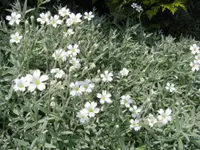
Snow-in-summer, Cerastium tomentosum, is a low, mat-forming perennial often used as a groundcover or edging plant. It forms dense silver-gray foliage that highlights its profusion of small white flowers.
This plant naturally occurs in rocky, well-drained areas of southern Europe, which explains its tolerance of poor soils and drought once established. It spreads quickly, making it useful for sunny slopes, rock gardens, and between paving stones.
Its toughness, fast growth, and low nutrient needs make it relatively easy to grow, though it can become invasive in ideal conditions. Gardeners who learn how to care for Snow-in-summer usually find it dependable in full sun and well-drained, slightly dry soil.

Care Difficulty
Easy Care

Light Preference
Full Sun

Water Requirements
Low Water

Temperature Preference
Cold Hardy

Hardiness Zone
3–7

Soil Texture
Sandy, Loamy, Rocky

Soil pH
Slightly acidic (6.5–7.0), Neutral (7.0)

Soil Drainage
Well-drained

Fertilization
Minimal (feed rarely)
Scan your plant to receive care tips personalized for your specific plant
Available on iOS and Android
Cerastium tomentosum thrives in bright, open sites with plenty of direct sun.
This plant prefers dry to moderately dry conditions and is highly drought tolerant once established.
This hardy groundcover copes well with a wide range of outdoor temperatures in temperate climates.
Humidity is rarely a concern for this drought-adapted alpine groundcover.
This species prefers lean, sharply drained, sandy or gravelly soil that prevents waterlogging.
This ground-hugging perennial suits containers, especially for trailing over edges in sunny spots.
Cerastium tomentosum is adapted to lean, well-drained soils and needs only modest feeding in garden settings.
Cerastium tomentosum responds well to modest pruning, which keeps the mat dense and flowering well.
This groundcover is usually grown in the open garden, so transplant timing matters more than container repotting.
Cerastium tomentosum is commonly propagated to extend groundcover or refresh older plantings.
This species is generally cold hardy in temperate climates and requires minimal winter care in the ground.

Plant Health Check
Not sure what's wrong with your plant? Check your plant's health inside the app.
This species has densely hairy, silvery-gray leaves that reflect sunlight and reduce water loss, an adaptation that helps it thrive in hot, dry, and rocky sites in its native southern European range.
It spreads by short, creeping stems that root as they go, forming low, dense mats that can stabilize thin, sandy, or gravelly soils on slopes and rock gardens.
Although the flowers last only a few weeks in late spring to early summer, the mass of small white blooms is so dense that it can visually cover the foliage like a sheet of snow, which inspired its common name snow-in-summer.

Cerastium tomentosum is naturalized in parts of North America and other temperate regions, where it can escape gardens and establish in disturbed, well-drained, sunny habitats such as railway embankments and dry road verges, though it is not generally considered a major invasive species.
This species spreads by creeping stems and self-seeding, forming dense mats over time. In open, sunny, well-drained sites it can edge into nearby areas, so use edging or regular trimming where spread must be limited.
Keep your plants happy and healthy with plant identification, disease detection, and easy care guidance.

Tephroseris longifolia
Tephroseris longifolia
Actaea cimicifuga
Actaea cimicifuga
California poppy
Eschscholzia californica
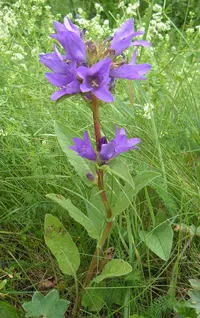
clustered bellflower
Campanula glomerata
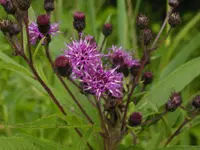
New York ironweed
Vernonia noveboracensis

seaside fleabane
Erigeron glaucus
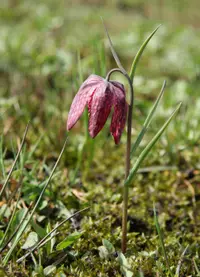
Snake's head fritillary
Fritillaria meleagris
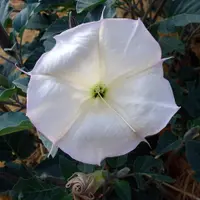
sacred datura
Datura wrightii