seaside fleabane Care (Erigeron glaucus)

Also known as: seaside daisy
seaside fleabane

About seaside fleabane

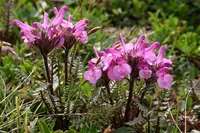
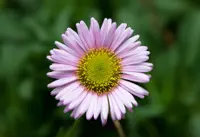
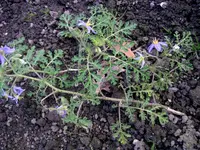
Seaside fleabane, Erigeron glaucus, is a compact, coastal perennial in the daisy family. It forms low, spreading clumps with thick, gray-green leaves and many small, lavender to pink daisies with yellow centers.

This species is native to the Pacific Coast of North America, where it grows on bluffs and coastal dunes exposed to wind and salt spray. It is valued in gardens for its tolerance of poor, sandy soils and maritime conditions, which makes it relatively easy to care for seaside fleabane in suitable climates.

In cultivation it prefers full sun, good drainage, and moderate moisture, making it a useful choice for coastal gardens, rock gardens, and low informal borders.

Main Plant Requirements

Care Difficulty

Easy Care

Light Preference

Full Sun

Water Requirements

Moderate Water

Temperature Preference

Cold Hardy

Hardiness Zone

6–9

Soil Texture

Sandy, Loamy, Rocky

Soil pH

Acidic (5.5–6.5), Slightly acidic (6.5–7.0)

Soil Drainage

Well-drained

Fertilization

Minimal (feed rarely)

Get Personalized Care Plan

Scan your plant to receive care tips personalized for your specific plant

Available on iOS and Android

How to Care for the seaside fleabane

This coastal perennial thrives in full sun but accepts some light shade, especially in hot inland sites.

  • Provide 6–8 hours of direct sun daily; morning sun with light afternoon shade works best in hotter regions for seaside fleabane.
  • In coastal or cool-summer areas, full sun all day promotes compact growth and abundant flowering without leaf scorch.
  • In very bright, hot inland gardens, protect from harsh afternoon sun; plants in too much shade become leggy and flower less.

This plant prefers moderate watering with time for the soil surface to dry between soakings.

  • Outdoors in the ground, water deeply when the top 3–5 cm of soil is dry; in cool, moist coastal climates, this may mean longer gaps between waterings.
  • Ensure sharply drained soil; soggy, poorly drained sites cause root rot, yellowing foliage, and sudden collapse in Erigeron glaucus.
  • Crisp, drooping leaves and dry soil indicate underwatering, while limp stems, blackened crown tissue, or a sour smell point to overwatering.

This coastal species handles a wide temperature range but performs best in mild conditions.

  • Ideal growth occurs around 55–75°F (13–24°C), with strong flowering in cool to mild seasons.
  • Mature plants typically tolerate down to about 15–20°F (-9 to -6°C) with good drainage; mulching around the crown improves winter survival in colder spots.
  • In summer heat above 90°F (32°C), growth slows; provide some afternoon shade and avoid heat-reflecting surfaces that can scorch foliage.

Erigeron glaucus handles a wide humidity range and rarely needs special humidity management outdoors.

  • Performs well in 30–60% humidity, similar to typical outdoor conditions in many coastal and inland regions.
  • Tolerates dry air, but prolonged hot, very dry winds can cause marginal browning and quicker flower fade in seaside fleabane.
  • Mulch around the root zone and avoid reflected heat from walls or paving to reduce moisture loss and humidity stress around foliage.

Erigeron glaucus prefers lean, well-drained, slightly sandy soil that never stays waterlogged.

  • Use a mix of roughly 50–60% sandy or loamy garden soil with 30–40% coarse sand or fine gravel plus 10–20% compost for nutrients.
  • Ensure water drains through quickly; soggy or compacted soil greatly increases risk of root and crown rot.
  • A slightly acidic to neutral pH around 6.0–7.0 suits this species and helps nutrient uptake without excess leaf growth.
  • To improve aeration in heavier soils, incorporate coarse sand, grit, or perlite and avoid high-peat mixes that hold excessive moisture.

This species is well suited to container growing, especially in sunny patios, balconies, or small gardens.

  • Choose a wide, relatively shallow pot to match its spreading habit and keep roots from sitting in deep, wet substrate.
  • Use a heavy or terracotta container if possible to prevent tipping in wind and to allow faster evaporation from the root zone.
  • Raise the pot on feet or bricks so drainage holes stay clear and excess water escapes quickly after rain or irrigation.

This coastal native needs only light feeding, so fertilizer use for seaside fleabane should stay modest.

  • Use a thin layer of compost or a balanced slow-release fertilizer (around 10-10-10) in early spring to support flowering.
  • Apply at most once per growing season in average garden soil; skip feeding on very fertile sites.
  • Dilute liquid fertilizers to 1/2–1/4 strength if used, always on moist soil to avoid root burn.
  • Stop feeding in late summer so growth can harden before winter, with no fertilizer in winter dormancy.

Pruning Erigeron glaucus focuses on tidying spent growth and encouraging compact, floriferous plants.

  • Shear or deadhead spent flower stems in late spring and again after main bloom to stimulate rebloom and denser growth.
  • In late winter or very early spring, trim back dead, damaged, or leggy stems with clean hand pruners.
  • Remove crowded or crossing shoots at the base to improve air flow and reduce fungal issues.
  • Dispose of diseased material rather than composting and disinfect tools if disease is suspected.

This species is most often grown in the ground, with transplanting more relevant than frequent repotting.

  • Transplant in early spring or early fall when temperatures are mild and soil is workable.
  • Look for signs such as roots circling the pot, water running off quickly, or stunted growth in container plants.
  • Move into a slightly larger pot or garden spot with well-drained soil, disturbing roots as little as possible.
  • Water thoroughly after moving and shade for a few days to reduce transplant shock and allow roots to establish.

Erigeron glaucus is commonly propagated by division, cuttings, or seeds to maintain or expand plantings.

  • Divide mature clumps in early spring or early fall, replanting vigorous outer sections immediately.
  • Take 5–8 cm non-flowering stem cuttings in late spring, rooting them in a moist, free-draining mix under bright, indirect light.
  • Sow fresh seed on the surface of a well-drained seed mix; keep lightly moist and cool to moderate (55–65°F) for germination.
  • Label new plants and maintain good air circulation to limit damping-off and other seedling diseases.

This coastal perennial is generally cold hardy in mild-winter regions and needs only simple winter care.

  • Plants tolerate light to moderate frost but may suffer in prolonged freezes below their hardiness range.
  • Apply a 3–5 cm mulch around the root zone in late fall, keeping mulch slightly away from the crowns.
  • In colder areas, grow in containers and move to a sheltered spot with good light and minimal frost exposure.

Care Tips

Coastal Wind Use

In windy coastal sites, position plants where light, steady breezes can pass through to keep foliage dry and reduce fungal issues while avoiding spots with loose sand blasting the leaves.

Edge Rejuvenation

Every 2–3 years, lift and replant vigorous outer sections of the clump at the same depth, then discard or compost the woody, exhausted center to maintain dense flowering mats.

Companion Groundcover

Combine plants with other low, salt-tolerant perennials of similar water needs so their foliage knits together, shading the soil surface and suppressing weeds without heavy mulch.

Salt Spray Management

In areas with heavy road or sea salt, lightly hose foliage after storms or winter road salting to wash off residues that can scorch leaves and reduce flowering.

Targeted Deadheading

Instead of shearing the whole plant, pinch or cut only spent flower stalks just above the basal foliage every 1–2 weeks during peak bloom to extend flowering without stressing the plant when growing seaside fleabane.

Common Pests and Diseases

Powdery mildew

This disease causes a white to gray, powdery coating on leaves and stems, often in periods of dry air combined with poor air movement. Symptoms include distorted new growth and a general decline in vigor if infections are repeated.

Solution

Remove and discard heavily infected leaves to reduce spore load, then improve spacing and airflow around plants. Water at soil level, avoid overhead irrigation, and if conditions stay favorable for disease, use a labeled sulfur or potassium bicarbonate fungicide, following all instructions carefully.

Botrytis blight

This disease produces tan to brown spots on petals and leaves that can become covered with gray, fuzzy mold, especially in cool, damp coastal conditions. Symptoms include collapse of flower stems and rotting of spent blooms left on the plant.

Solution

Promptly deadhead spent flowers and remove any soft, rotting tissue, disposing of it in the trash rather than compost. Improve drainage and airflow, avoid wetting foliage late in the day, and in persistent outbreaks use a labeled fungicide for Botrytis on ornamentals according to package directions.

Aphids

These insects cluster on tender stems and flower buds, sucking sap and causing curling or distortion of new growth. This pest often leaves sticky honeydew that can attract sooty mold fungi.

Solution

Wash colonies off with a firm stream of water, repeating every few days until numbers drop. Encourage natural predators like lady beetles, and if needed apply insecticidal soap or a light horticultural oil, making sure to coat the undersides of leaves and buds.

Leaf miners

These insects create pale, winding tunnels within the leaves that can make foliage look blotchy and reduce photosynthesis. Symptoms include serpentine trails that eventually turn brown and dry.

Solution

Hand-remove and discard mined leaves as soon as damage appears to interrupt the insect life cycle. Keep plants vigorous with appropriate watering and nutrition, and in severe cases use a systemic insecticide labeled for leaf miners on ornamentals, applied according to timing and safety directions.

Snails and slugs

These pests chew irregular holes in leaves and young shoots, often leaving shredded foliage and slime trails, especially in moist, coastal gardens where Erigeron glaucus thrives. Symptoms include missing leaf edges and damage concentrated near soil level or in dense plantings.

Solution

Hand-pick snails and slugs in the evening or early morning and remove hiding places such as dense debris near crowns. Use iron phosphate bait products around plants, reapplying as directed, and consider simple barriers like copper tape or rough mulch to make the area less favorable for them while growing seaside fleabane.

Interesting Facts

Native coastal specialist

This species is naturally restricted to the Pacific coast of California and southern Oregon, where it grows on sea bluffs, dunes, and coastal scrub exposed to salt-laden wind.

Salt and spray tolerant

Its thick, somewhat succulent, bluish leaves help limit water loss and tolerate salt spray, which allows it to persist within a few meters of breaking waves.

Long-season pollinator resource

In mild coastal climates, it can flower from late spring into fall, providing extended nectar and pollen for native bees, butterflies, and other insects when many other coastal plants are not blooming.

Botan icon

Did you know?

This plant is an important component of several coastal dune and bluff restoration projects in California, where it is used to stabilize fragile soils and quickly re-establish native pollinator habitat in sites heavily disturbed by erosion or human activity.

FAQs about seaside fleabane

This species forms low clumps that slowly widen, often to 30–45 cm over several years. It spreads by short rhizomes and self-seeding but is usually easy to control by lifting extra plants or deadheading.

Grow Healthy Plants with Botan Care

Keep your plants happy and healthy with plant identification, disease detection, and easy care guidance.

Botan plant care app — identify plants on mobile

Explore More Plants