


Staggered Succession Sowing
Sow small patches every 2–3 weeks in early spring instead of all at once so flowering is extended and bare gaps are reduced as older plants decline.

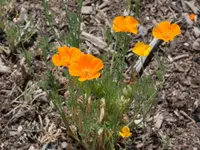
California poppy, Eschscholzia californica, is a short-lived perennial usually grown as an annual, known for its bright orange, bowl-shaped flowers and fine, bluish-green foliage. Plants form low, mounded clumps that spread in sunny, open areas and often self-seed to create natural-looking drifts.
This species is native to dry grasslands and coastal slopes of western North America, especially California, and thrives in poor, well-drained soils. It suits gardeners who prefer low-maintenance plants and want to learn how to care for California poppy without complex routines.
It generally prefers full sun, dry to moderately moist conditions, and soil that does not stay wet for long periods.

Care Difficulty
Easy Care

Light Preference
Full Sun

Water Requirements
Low Water

Temperature Preference
Warm Climate

Hardiness Zone
6–10

Soil Texture
Sandy, Loamy, Rocky

Soil pH
Slightly acidic (6.5–7.0), Neutral (7.0)

Soil Drainage
Well-drained

Fertilization
Minimal (feed rarely)
Scan your plant to receive care tips personalized for your specific plant
Available on iOS and Android
This species thrives in strong sun and performs best in open, exposed sites.
This drought-adapted plant prefers infrequent, deep watering and fast-draining soil.
This cool- to warm-season annual handles a wide range of outdoor temperatures when extremes are brief.
This species prefers dry air and does not have specific humidity requirements indoors or outdoors.
This species prefers lean, sandy, well-drained soil that mimics dry, open habitats.
This species can be grown in containers if the pot is set up to drain and dry quickly.
This drought-adapted wildflower needs little feeding, and excess nutrients can reduce flowering.
Pruning Eschscholzia californica is minimal and mainly supports tidiness and extended bloom.
This species dislikes root disturbance, so transplanting must be done carefully and infrequently.
Eschscholzia californica is most reliably propagated from seed rather than by division or cuttings.
In mild climates this species is quite cold tolerant and usually needs no special winter care.

Plant Health Check
Not sure what's wrong with your plant? Check your plant's health inside the app.
The flowers open during sunny daylight and close in the evening or on overcast days, a movement controlled by changes in turgor pressure in specialized cells at the petal base.
In its native California habitats, this poppy often grows alongside nitrogen-fixing shrubs such as lupines, benefiting indirectly from improved soil fertility without fixing nitrogen itself.
Seedlings commonly appear in high numbers after soil disturbance such as fire or grading, because buried seeds are stimulated to germinate when the soil surface is opened and competing vegetation is reduced.

This species became the official state flower of California in 1903, and in many areas it is illegal to pick or destroy plants growing on public land, which has helped protect wild populations despite heavy urban development in much of its native range.
Poor flowering usually comes from too much shade, overly rich or wet soil, or heat stress. Avoid high-nitrogen fertilizers, keep soil very well-drained, and deadhead spent blooms so the plant directs energy into forming new flowers.
Keep your plants happy and healthy with plant identification, disease detection, and easy care guidance.

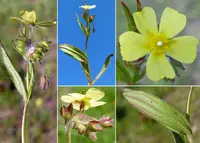
Woody Rock-rose
Tuberaria lignosa
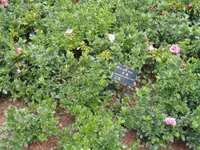
Red Azalea
Rhododendron simsii
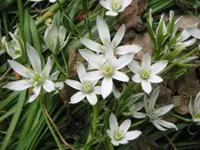
sleepydick
Ornithogalum umbellatum
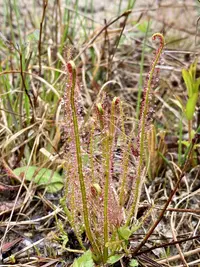
threadleaf sundew
Drosera filiformis var. filiformis
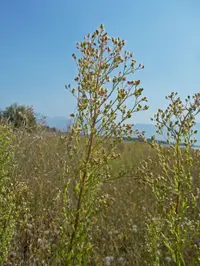
mare's tail
Erigeron canadensis
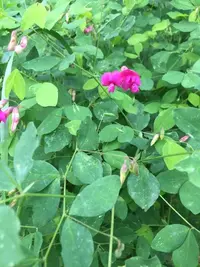
Rosy-flowered Everlasting-pea
Lathyrus roseus
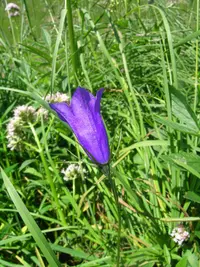
Scheuchzer's bellflower
Campanula scheuchzeri
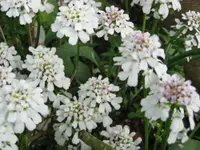
Evergreen candytuft
Iberis sempervirens