Mark Dormant Clumps
Flag or label the planting spot in late summer so the dormant crown is easy to find for division, mulching, and protection during winter and early spring maintenance.

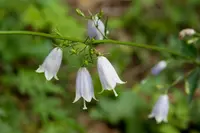
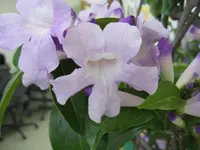
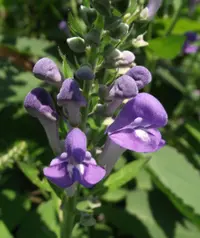
Japanese lady bell, Adenophora triphylla, is a herbaceous perennial known for its slender stems and nodding, bell-shaped flowers in soft shades of blue or white. It forms clumps and brings a delicate, airy look to mixed borders or naturalistic plantings.
This species is native to East Asia, including Japan, Korea, and parts of China, where it grows in open woods and grassy slopes. It is moderately easy to grow if given stable conditions and is best for gardeners who can provide consistent moisture.
It prefers cool to mild climates, light shade to sun that is not too harsh, and well-drained, humus-rich soil. Understanding these needs makes it easier to care for Japanese lady bell.

Care Difficulty
Moderate Care

Light Preference
Partial Sun

Water Requirements
Moderate Water

Temperature Preference
Cold Hardy

Hardiness Zone
4–8

Soil Texture
Loamy, Sandy, Organic-rich

Soil pH
Acidic (5.5–6.5), Slightly acidic (6.5–7.0)

Soil Drainage
Moist but well-drained

Fertilization
Minimal (feed rarely)
Scan your plant to receive care tips personalized for your specific plant
Available on iOS and Android
This herbaceous perennial prefers cool, bright conditions with protection from intense midday sun.
This plant prefers evenly moist, well-drained soil that never stays waterlogged.
This temperate perennial is cold hardy yet grows best in moderate, stable temperatures.
Humidity is rarely critical for Adenophora triphylla in typical outdoor conditions.
Adenophora triphylla prefers loose, moist, and well-drained soil that does not stay waterlogged.
This species can be grown in containers if the potting setup supports its deep root system.
Adenophora triphylla benefits from moderate feeding during its active growing season in garden or container settings.
Pruning Adenophora triphylla is light and mostly focused on cleanliness and encouraging flowering.
This perennial is more often transplanted in garden beds than kept long term in containers, due to its deep root system.
Adenophora triphylla is commonly propagated by seed or careful division of mature clumps.
This hardy perennial tolerates typical temperate winters and generally needs only basic seasonal cleanup.

Plant Health Check
Not sure what's wrong with your plant? Check your plant's health inside the app.
This species develops a thickened, carrot-like taproot with many fine lateral roots, an adaptation that allows it to store reserves and survive seasonal temperature extremes in its native East Asian climates.
The name triphylla refers to its characteristic leaf arrangement, where leaves are often grouped in whorls of three along the stem, giving an easy visual cue for field identification.
Its pale, drooping bell-shaped flowers can release a stronger fragrance in the evening and at night, which helps attract crepuscular and nocturnal pollinators such as certain moth species.

In parts of East Asia, the thick taproot of this species has been used historically as a traditional wild vegetable, and it is still occasionally foraged and cultivated on a small scale as an edible root in rural areas.
Lack of flowers often comes from too much shade, nutrient-poor or very dry soil, or heavy spring frost on buds. Ensure moderate light, steady moisture, and avoid high-nitrogen fertilizer, which favors foliage over blooms.
Keep your plants happy and healthy with plant identification, disease detection, and easy care guidance.