Rhizome Division Timing
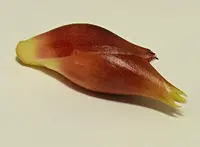
Divide rhizomes only when at least 3–4 strong shoots are present and soil is warming in late spring, which reduces transplant shock and encourages rapid re-establishment when growing arrowroot outdoors or in containers.

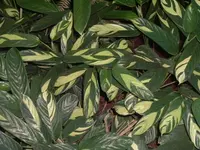
Arrowroot, Maranta arundinacea, is a tropical perennial grown mainly for its starchy, edible rhizomes and lush, lance-shaped leaves. It forms low clumps that slowly spread underground.
In nature it occurs in shaded, humid forests of the Caribbean and Central to South America, often in rich, loose soils. The plant prefers warm conditions, filtered light, and consistently moist but well-drained substrate.
Its calm growth rate, tolerance of short dry spells, and modest light needs make it relatively straightforward for home growers. Those learning how to care for arrowroot usually find it forgiving as long as extremes of cold, drought, or waterlogging are avoided.

Care Difficulty
Moderate Care

Light Preference
Partial Shade

Water Requirements
Regular Water

Temperature Preference
Tropical / Frost Sensitive

Hardiness Zone
9–11

Soil Texture
Sandy, Loamy, Organic-rich

Soil pH
Acidic (5.5–6.5), Slightly acidic (6.5–7.0)

Soil Drainage
Moist but well-drained

Fertilization
Light (every 4–6 weeks)
Scan your plant to receive care tips personalized for your specific plant
Available on iOS and Android
This species prefers bright, indirect light and protection from harsh midday sun.
Maranta arundinacea prefers evenly moist, well-drained soil without long, soggy periods.
This plant grows best in warm, frost-free conditions with stable temperatures.
This species prefers moderately humid air but adapts if kept above very dry conditions.
This plant performs best in loose, organic-rich, evenly moist but free-draining soil.
This species is suitable for container growing when the pot is chosen to support its spreading rhizomes and moisture needs.
This species benefits from moderate feeding during active growth, especially in poor soils or containers.
Maranta arundinacea needs light, functional pruning to maintain healthy clumps and tidy foliage.
This plant is commonly grown in the ground but container specimens and crowded clumps benefit from periodic transplanting.
This species is most often multiplied by division of its rhizomes rather than by seed or cuttings.
This tropical species has low frost tolerance and needs protection in regions with cold winters.

Plant Health Check
Not sure what's wrong with your plant? Check your plant's health inside the app.
This species produces underground rhizomes rich in a fine, easily digestible starch that has been used for centuries as a thickener in cooking and in infant foods because of its bland taste and low allergenic potential.
The common name arrowroot is widely linked to historical use by Indigenous Caribbean peoples, who processed the rhizomes to obtain starch traditionally associated with soothing wounds caused by poisoned arrows, although this historical role is debated by modern historians.
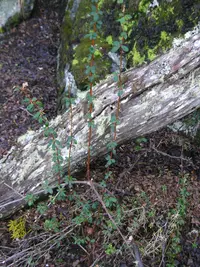
In the wild, this plant grows as an understory herb in warm, humid tropical forests of the Caribbean and Central and South America, where it thrives in dappled light and well-drained, organically rich soils.

Commercial arrowroot starch is often produced from carefully selected clones of this species grown in plantation systems, where the rhizomes are harvested, washed, mechanically rasped, and repeatedly filtered to yield a very pure starch that is prized in the food industry for forming clear, glossy gels at relatively low cooking temperatures.
The starchy rhizomes are edible once fully mature and thoroughly cooked. They are processed into a fine, easily digestible flour often used for baking and thickening sauces. Raw rhizomes are fibrous and not recommended for eating.
Keep your plants happy and healthy with plant identification, disease detection, and easy care guidance.