Mediterranean amaranth Care (Amaranthus graecizans)

Also known as: Mat Amaranth, Short-tepalled Pigweed
Mediterranean amaranth

About Mediterranean amaranth

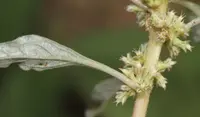
Mediterranean amaranth (Amaranthus graecizans) is a small annual herb from dry, often disturbed habitats such as fields, roadsides, and sandy or rocky sites. It forms low, branching mats or clumps with small, often reddish-tinged leaves and tiny clustered flowers.

This species is native to the Mediterranean region but has spread to many warm and temperate areas worldwide, sometimes behaving as a minor weed. It grows quickly, tolerates heat and drought once established, and adapts to poor soils, which makes it relatively easy to manage in low-input gardens. For those who want to learn how to care for Mediterranean amaranth, it generally prefers full sun, moderate moisture, and well-drained soil.

Main Plant Requirements

Care Difficulty

Easy Care

Light Preference

Full Sun

Water Requirements

Moderate Water

Temperature Preference

Tropical / Frost Sensitive

Hardiness Zone

Unknown

Soil Texture

Sandy, Loamy

Soil pH

Slightly acidic (6.5–7.0), Neutral (7.0)

Soil Drainage

Well-drained

Fertilization

Minimal (feed rarely)

Get Personalized Care Plan

Scan your plant to receive care tips personalized for your specific plant

Available on iOS and Android

How to Care for the Mediterranean amaranth

This warm-season annual prefers strong sun exposure to produce compact, leafy growth.

  • Provide 6–8 hours of direct sun daily; full sun is ideal in most temperate climates for Mediterranean amaranth.
  • In hot southern or arid regions, give morning sun with light afternoon shade to prevent leaf scorch and excessive wilting.
  • If plants stretch, lean, or produce fewer leaves, they are not getting enough light; choose an open, unshaded site, especially from late spring to early fall.

This species prefers evenly moist but not saturated soil during active growth.

  • Allow the top 2–4 cm of soil to dry before watering again, using soil feel rather than a fixed calendar schedule.
  • In fast-draining soil, water more often during hot, dry weather; reduce frequency once growth slows at the end of the season.
  • Signs of overwatering include yellowing, limp stems, and sour-smelling soil, while dull, folding leaves and dry, hard soil suggest Amaranthus graecizans is too dry.

This heat-loving annual grows best in warm, stable outdoor conditions.

  • Optimal growth occurs around 70–86°F (21–30°C), typical of late spring and summer in many regions.
  • Seedlings and mature plants are very sensitive to frost; avoid exposure below 40°F (4°C) and expect tissue damage or death near 32°F (0°C).
  • The plant tolerates short heat spikes up to 95°F (35°C) if soil moisture is maintained, but prolonged extreme heat can slow growth and cause leaf scorch.

This species tolerates a wide humidity range and does not usually need special humidity management.

  • Aim for 30–60% RH, similar to most indoor environments, without extra humidification.
  • Dry air is usually tolerated, but prolonged very low humidity can crisp leaf edges and stunt new growth.
  • If foliage shows curling or dry margins, group plants together or place the pot on a pebble tray to slightly raise local humidity.

Amaranthus graecizans grows best in light, free-draining soil that still holds moderate moisture.

  • Use a sandy or loamy mix with 30–40% coarse material such as sharp sand or fine grit to keep pores open.
  • Mix in 20–30% well-rotted compost to provide nutrients and slight moisture retention without clogging drainage.
  • Target a slightly acidic to neutral pH around 6.0–7.0; avoid strongly acidic or saline substrates.
  • Do not use heavy clay or peat-heavy mixes that stay wet; improve such soils with coarse sand and small gravel for aeration.

This species is suitable for container growing outdoors in warm seasons.

  • Choose a container at least 20–25 cm wide to allow lateral root spread and reduce rapid drying in hot weather.
  • Opt for a lightweight plastic or resin pot in windy sites to balance moisture retention with ease of moving the plant.
  • Raise the pot on feet or bricks so drainage holes remain clear and excess water can exit quickly after heavy rain.

This annual herb grows well in lean soil and usually needs only light feeding in containers or poor ground.

  • Use a balanced liquid fertilizer (for example 10-10-10) at 1/2 strength for potted plants during peak growth.
  • Apply every 3–4 weeks in late spring and summer if growth looks pale or weak.
  • In garden beds, a thin layer of compost at planting is usually enough for Mediterranean amaranth.
  • Stop feeding in late summer; no fertilizer is needed in fall or winter.

Light pruning keeps Amaranthus graecizans compact and encourages fresh leafy growth.

  • Pinch soft shoot tips in early growth to promote branching and a bushier shape.
  • Use clean scissors or small shears to remove dead, yellowing, or damaged stems whenever noticed.
  • Thin crowded stems to improve air flow, which helps reduce fungal problems on leaves.
  • At season’s end, cut plants at the base once they finish flowering and set seed.

This species behaves as a small annual, so transplanting young plants is more relevant than long-term repotting.

  • Sow in modules or small pots and transplant outdoors after frost when seedlings have 2–3 true leaves.
  • Shift container plants only if roots circle the pot or growth stalls, using the next pot size up.
  • Transplant in late spring or early summer, keeping the root ball intact to limit shock.
  • Water well after moving and shade lightly for 2–3 days to reduce stress while roots re-establish.

New plants are most commonly raised from seed, which germinates reliably in warm conditions.

  • Sow seeds in spring once temperatures reach 65–75°F, either in trays indoors or directly outdoors.
  • Press seed lightly into the surface; avoid deep covering, as light improves germination.
  • Keep the substrate evenly moist but not waterlogged until seedlings emerge.
  • Thin or prick out crowded seedlings to give each Amaranthus graecizans plant 15–25 cm of space.

This warm-season annual dies back with hard frost and generally does not require long-term winter care.

  • In cold regions, allow plants to complete their life cycle and collect mature seed before frost.
  • Remove and compost dead plants after freezing weather to keep beds tidy and reduce disease carryover.
  • Container-grown plants can be discarded after seed harvest or resown next growing season.

Care Tips

Staggered Succession Sowing

Sow small batches every 2–3 weeks rather than one large sowing so that young, tender leaves and shoots are always available through the warm season.

Low, Compact Pinching

Pinch the main stem tip when plants are 8–10 cm tall to encourage multiple side branches and a denser canopy, which increases usable leaf yield and shades the soil surface.

Targeted Salinity Management

In coastal or arid areas, periodically leach the soil by watering deeply until excess drainage occurs to prevent salt buildup, which this species tolerates only moderately in container culture.

Preventing Premature Bolting

If plants begin to form flower spikes too early, harvest more aggressively and keep soil moisture even, as stress from drought and crowding can trigger rapid bolting and reduced leaf quality.

Clean Harvest And Re-Growth

Harvest with clean, sharp scissors above the lowest healthy leaf pair, leaving buds intact so the plant can re-sprout quickly, which is key when caring for Mediterranean amaranth for continuous leafy production.

Common Pests and Diseases

Leaf miners

This pest tunnels inside leaves, creating pale winding trails that can merge into larger blotches and reduce photosynthesis.

Solution

Remove and discard heavily mined leaves to reduce larvae, and keep surrounding weeds from the Amaranthus genus down to limit egg‑laying adults. Floating row covers over young plants and targeted use of spinosad-based sprays in the evening, when adults are active, help protect foliage while preserving beneficial insects.

Aphids

These insects cluster on young stems and leaf undersides, sucking sap, curling leaves, and leaving sticky honeydew that can attract sooty mold.

Solution

Dislodge colonies with a firm stream of water and pinch off badly infested shoot tips. Encourage or introduce natural enemies such as lady beetles, and if needed use insecticidal soap or neem oil, applied in the early morning and repeated every 5–7 days until populations drop.

Stem canker

This disease causes sunken, dark lesions on stems that may girdle shoots, leading to wilting and dieback, especially in dense, humid stands.

Solution

Cut out and remove infected stems promptly and avoid overhead watering that keeps foliage wet. Increase spacing for better airflow, rotate away from other Amaranthus crops for at least 2–3 years, and remove crop residues after harvest to reduce surviving fungal structures.

Fusarium wilt

Symptoms include one-sided yellowing, stunting, and gradual wilting of plants, often with brown streaks visible inside the stem when split open.

Solution

Remove and destroy affected plants including roots, and avoid moving contaminated soil or tools between beds. Improve drainage, limit high nitrogen fertilization, and use long rotations out of susceptible hosts such as other amaranths and many solanaceous crops to reduce Fusarium levels in the soil.

Leaf spot complex

This disease produces small brown to tan spots that may have darker margins and can merge into larger dead patches, especially in warm, humid conditions or after overhead irrigation.

Solution

Remove and discard heavily spotted leaves, water at soil level, and irrigate early in the day so foliage dries quickly. Maintain good spacing, keep the bed free of plant debris, and, if problems are recurrent, rotate plantings and consider using a copper-based fungicide as a preventive spray during extended wet periods as part of broader Amaranthus graecizans care instructions.

Interesting Facts

Desert salt specialist

This species often grows in dry, disturbed, and sometimes saline soils in the Mediterranean and arid regions, tolerating conditions that stress many other annual herbs. Its presence can indicate compacted or overgrazed ground where few other broadleaf species persist.

Tiny but prolific seeds

It produces many very small, usually dark seeds in dense clusters, which can form a persistent seed bank in the soil. These seeds germinate readily when the soil is disturbed, helping the plant recolonize open patches quickly.

Traditional leafy vegetable

In parts of southern Europe, North Africa, and western Asia, its young leaves and shoots are collected and cooked as a wild green. This long history of use contributes to local knowledge on Amaranthus graecizans plant care in traditional agroecosystems.

Botan icon

Did you know?

Genetic and field studies have shown that this species readily appears as a weed in irrigated and cultivated fields across the Mediterranean and parts of Africa and Asia, where it can complete its life cycle rapidly between cropping events and persist as a characteristic component of traditional farming landscapes.

FAQs about Mediterranean amaranth

This species is commonly eaten as a leafy green and young seed. Leaves are typically cooked to reduce any bitterness and improve digestibility. Avoid harvesting from polluted areas or sprayed sites, since it readily absorbs contaminants from soil and water.

Grow Healthy Plants with Botan Care

Keep your plants happy and healthy with plant identification, disease detection, and easy care guidance.

Botan plant care app — identify plants on mobile

Explore More Plants