wild chives Care (Allium schoenoprasum)

Also known as: chives
wild chives

About wild chives

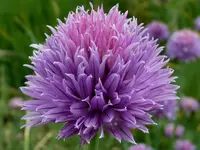
Wild chives, Allium schoenoprasum, is a hardy, clump-forming perennial herb in the onion family, grown mainly for its hollow, edible leaves. Plants form neat grass-like tufts topped with round purple flower heads that attract bees and other pollinators.

In nature it occurs in temperate regions of Europe, Asia, and North America, often in meadows, rocky slopes, and open woodland edges. It adapts well to garden beds and containers, which makes it easy to care for wild chives in small spaces.

This species prefers sun, moderately moist but well-drained soil, and tolerates cool conditions and regular harvesting, so it usually ranks as a straightforward herb for beginners.

Main Plant Requirements

Care Difficulty

Easy Care

Light Preference

Full Sun

Water Requirements

Moderate Water

Temperature Preference

Cold Hardy

Hardiness Zone

3–9

Soil Texture

Sandy, Loamy, Organic-rich

Soil pH

Acidic (5.5–6.5), Slightly acidic (6.5–7.0)

Soil Drainage

Moist but well-drained

Fertilization

Light (every 4–6 weeks)

Get Personalized Care Plan

Scan your plant to receive care tips personalized for your specific plant

Available on iOS and Android

How to Care for the wild chives

Allium schoenoprasum grows best with consistent, bright outdoor light to form dense, flavorful leaves.

  • Provide 6–8 hours of direct sun daily; morning sun with light afternoon shade is ideal in hot summers.
  • Tolerates partial shade (3–4 hours sun), but clumps become looser and leaves less robust if light is too low.
  • In very intense summer sun, especially in warmer regions, protect wild chives from harsh late-afternoon exposure to prevent leaf scorch.

Chives prefer evenly moist, well-drained soil rather than frequent, shallow watering.

  • Water when the top 2–3 cm of soil feels dry, applying a deep soak so moisture reaches the root zone, then allow excess to drain.
  • Use soil with sharp drainage; soggy or compacted ground leads to yellowing, soft leaves and bulb rot, especially in cool weather.
  • In cool spring and fall, watering needs drop; in hot, windy periods, leaves may flop or curl slightly when underwatered and recover after thorough watering.

Chives are hardy perennials that tolerate a wide temperature range but grow fastest in mild conditions.

  • Optimal active growth occurs around 60–75°F (16–24°C), producing steady leaf flushes suitable for frequent harvest.
  • Plants survive down to about -20°F (-29°C) in the ground; foliage dies back in winter, but bulbs overwinter and re-sprout in spring.
  • During heat above 85–90°F (29–32°C), growth slows and tips may brown; light afternoon shade and consistent soil moisture help reduce heat stress.

Humidity is rarely a concern for Allium schoenoprasum.

Allium schoenoprasum grows best in loose, well-aerated, moderately fertile mineral soil.

  • Use a loamy or sandy loam base with 20–30% compost to supply nutrients without becoming heavy.
  • Ensure drainage is fast by avoiding clay-heavy mixes and by lightly incorporating sharp sand if water lingers on the surface.
  • Aim for slightly acidic to neutral pH, around 6.0–7.0, to support strong root and leaf growth.
  • Break up compaction by gently loosening the top 3–5 cm each season, taking care not to damage shallow roots.

This species is well suited to container growing outdoors on balconies, patios, or steps.

  • Choose a pot at least 15–20 cm deep so roots have enough vertical space to stay moist without becoming waterlogged near the surface.
  • Select a heavier material such as terracotta or ceramic if the site is windy, as the clump can become top-heavy when mature.
  • Raise the container slightly on feet or bricks so drainage holes clear quickly after rain, preventing standing water at the base.

Allium schoenoprasum benefits from moderate feeding to support leafy growth, especially in containers.

  • Use a balanced NPK liquid fertilizer at 1/2 strength every 3–4 weeks during spring–summer for potted clumps.
  • In garden beds, mix in light, well-rotted compost once each spring instead of frequent liquid feeding.
  • Pause or reduce feeding to once in 6–8 weeks during late fall–winter when growth slows or leaves die back.
  • For caring for wild chives outdoors in fertile soil, additional fertilizer is usually unnecessary unless growth appears weak.

Allium schoenoprasum responds well to light, ongoing pruning that encourages fresh, tender leaves.

  • Harvest leaves by cutting outer blades 2–3 cm above the soil line from spring through early fall.
  • Remove yellow, dry, or damaged leaves at the base to reduce disease risk and keep clumps tidy.
  • Shear back crowded, floppy foliage by about 1/3 in midseason to stimulate denser regrowth.
  • Deadhead spent flower stalks near the base to limit self-seeding and direct energy into vegetative growth.

Chive clumps tolerate division and transplanting well when done at the right time and with minimal root disturbance.

  • Check containers every 2–3 years; dense, circling roots or reduced leaf size indicate the need for a larger pot or division.
  • Plan repotting or transplanting in early spring or early fall, when temperatures are mild and growth is active but not extreme.
  • Gently tease apart clumps into sections with several bulbs and roots, trim any dead roots, then replant at the same depth.
  • Water thoroughly after moving and keep soil evenly moist for 1–2 weeks to limit transplant shock and support re-establishment.

This herb is commonly multiplied by division and from seed, making expansion of a chive patch straightforward.

  • Divide mature clumps every 2–3 years in early spring or early fall, separating into small sections with several bulbs each.
  • Replant divisions into moist, well-drained soil, spacing 10–15 cm apart, and water consistently until new growth appears.
  • For seed propagation, sow fresh seed in late winter–spring on the surface of a loose mix, covering very lightly.
  • Maintain 65–75°F, bright light, and steady moisture for germination, which typically occurs within 10–21 days.

Mature chive plants are cold hardy and usually need little special winter care in the ground.

  • Foliage naturally dies back after hard frosts; leave or trim it at the base, as the bulbs overwinter below soil level.
  • In colder regions, apply a 2–5 cm layer of straw or leaf mulch over the root zone to moderate freeze–thaw cycles.
  • For containers, move pots to a sheltered, unheated area or indoors near a cool, bright window to prevent root ball freezing.

Care Tips

Cut-and-come-again harvesting

Harvest by snipping leaves 2–3 cm above the soil line in bunches rather than one stalk at a time, which stimulates uniform regrowth and keeps the clump dense and productive.

Timed flower removal

Allow a few flower stalks to form for pollinators, then deadhead them before seed set to prevent self-seeding into nearby beds while keeping the plant’s energy focused on foliage.

Divide for vigor

Every 2–3 years, lift and split crowded clumps into several sections with healthy roots and 5–10 shoots each, then replant immediately to maintain strong growth and flavorful leaves.

Pot rotation strategy

Rotate containers 90° every 1–2 weeks and trim any strongly leaning leaves so the clump stays upright, which encourages even light exposure and reduces lodging after heavy rain or watering.

Clean, quick use

Rinse harvested leaves briefly and use or refrigerate them within a few hours, because repeated partial cutting and quick consumption is more sustainable for caring for wild chives than infrequent heavy harvests.

Common Pests and Diseases

Onion thrips

This pest feeds by scraping and sucking sap from leaves, causing silvery streaks, fine speckling, and tip dieback on chive blades.

Solution

Cut and discard heavily damaged leaves, then rinse remaining foliage with a strong but gentle stream of water. For persistent infestations, use insecticidal soap or a neem oil spray directed into leaf bases and repeat every 5–7 days while monitoring nearby Allium species.

Allium leaf miner

This insect’s larvae tunnel inside the hollow leaves, leading to twisting, blistering, and collapse of chive foliage, often with small white puncture marks on the surface.

Solution

Remove and dispose of infested leaves before larvae complete development, and clean up plant debris after harvest. Use fine insect mesh over chive clumps during known flight periods and avoid planting new chives next to previously infested Allium beds.

Downy mildew

This disease causes pale, yellowish patches on leaves that later show gray‑purple fuzzy growth, leading to distorted, weakened blades, especially in cool, damp weather.

Solution

Remove affected leaves promptly and improve air circulation by thinning crowded clumps and watering at soil level in the morning. In wet seasons, avoid overhead watering and rotate chives to a new spot every few years to reduce pathogen buildup.

Purple blotch

This disease produces elongated, water‑soaked lesions on leaves that turn purple‑brown with yellow halos, causing premature dieback of foliage in warm, humid conditions.

Solution

Cut out and discard infected leaves as soon as lesions appear and keep the planting area free of old, dead foliage. Space plants for airflow, water at the base, and rotate with non‑Allium crops to limit reinfection and support long‑term Allium schoenoprasum plant care.

Bulb mites

These pests live in soil and between bulb scales, leading to stunted growth, distorted new leaves, and poor regrowth of clumps divided from infested stock.

Solution

Discard severely infested bulbs and replant only clean, firm divisions in fresh, well‑drained soil. Avoid overwatering, remove plant debris that shelters mites, and if needed, solarize or rest heavily infested beds before replanting chives or other Allium species.

Interesting Facts

Naturally salt-tolerant

Wild chives can grow on coastal cliffs and salt-sprayed grasslands, showing a notable tolerance to soil salinity compared with many other garden herbs.

Cold-climate specialist

This species is native to cool temperate regions of the Northern Hemisphere and survives harsh winters by retreating into its bulbs and resprouting in spring.

Pollinator-friendly flowers

Its purple, globe-shaped flower heads provide nectar and pollen for bees, hoverflies, and other small pollinators in late spring and early summer.

Botan icon

Did you know?

Genetic studies show that what gardeners know as common chives is a single, wide-ranging species that naturally occurs across North America, Europe, and Asia, with wild populations adapted to very different habitats from mountain meadows to rocky tundra.

FAQs about wild chives

Lack of flowering is often due to insufficient light, very nutrient-rich soil, or overcrowded clumps. Division every 2–3 years and moderate fertilization encourage buds. Regular harvesting of leaves also helps direct energy into new shoots and blooms.

Grow Healthy Plants with Botan Care

Keep your plants happy and healthy with plant identification, disease detection, and easy care guidance.

Botan plant care app — identify plants on mobile

Explore More Plants