smooth rupturewort Care (Herniaria glabra)

Also known as: smoother rupture-wort, Rupture Wort
smooth rupturewort

About smooth rupturewort

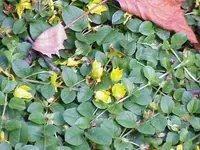
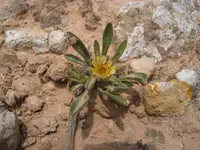
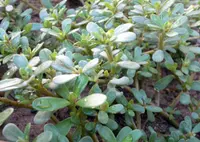
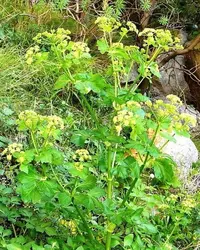
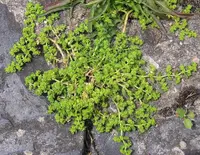
Smooth rupturewort (Herniaria glabra) is a very low-growing, mat-forming perennial often used as a groundcover or filler between paving stones. It forms dense, fine-textured carpets of tiny green leaves that stay close to the soil surface.

This species is native to parts of Europe and western Asia but is now naturalized in many temperate regions, including North America. It is valued for its tolerance of light foot traffic and its ability to suppress some weeds.

The plant generally prefers full sun to light shade, with well-drained, rather dry soils. These traits make care for smooth rupturewort relatively straightforward for gardeners who can provide a sunny, open site.

Main Plant Requirements

Care Difficulty

Easy Care

Light Preference

Full Sun

Water Requirements

Low Water

Temperature Preference

Cold Hardy

Hardiness Zone

4–8

Soil Texture

Sandy, Loamy, Rocky

Soil pH

Slightly acidic (6.5–7.0), Neutral (7.0)

Soil Drainage

Well-drained

Fertilization

Minimal (feed rarely)

Get Personalized Care Plan

Scan your plant to receive care tips personalized for your specific plant

Available on iOS and Android

How to Care for the smooth rupturewort

This low-growing groundcover thrives in open, bright positions with plenty of sun.

  • Provide 6–8 hours of direct sun daily; morning and midday sun are ideal for dense, tight growth.
  • Tolerates light partial shade (3–4 hours sun), but smooth rupturewort may thin or elongate in heavier shade.
  • In very hot summers, protect from intense late-afternoon sun to reduce scorching and browning, especially on dry, exposed sites.

This drought-tolerant mat-forming plant prefers careful, infrequent watering once established.

  • Water thoroughly only when the top 3–5 cm of soil are dry; avoid frequent light sprinkling that keeps the surface constantly damp.
  • Ensure sharply drained soil; standing water or heavy clay increases risk of root rot, yellowing foliage, and dieback in Herniaria glabra.
  • In the first growing season, monitor closely in hot, dry weather; foliage dullness and slight wilting signal thirst, while mushy stems suggest overwatering.

This hardy groundcover tolerates a wide temperature range but performs best in moderate conditions.

  • Active growth is strongest around 60–75°F (16–24°C), especially in spring and early summer.
  • Mature plants typically survive down to about -20°F (-29°C) with good drainage, though foliage may brown or thin in deep winter.
  • Handles summer heat up to about 90–95°F (32–35°C) if soil is not waterlogged; extended extremes beyond this can cause stress and patchy dieback.

This species handles a wide humidity range and rarely needs special humidity management.

  • Aim for 30–60% air humidity, similar to typical indoor or outdoor household conditions.
  • Smooth rupturewort tolerates dry air well, so low humidity alone rarely causes decline if watering is correct.
  • If foliage browns from the tips and soil is very dry, adjust watering first; use a pebble tray only in very hot, arid rooms.

This low mat-forming plant prefers lean, well-drained, mineral soils and dislikes prolonged wetness.

  • Use a sandy or gritty mix such as 60–70% coarse sand or grit blended with 30–40% loam-based potting soil.
  • Ensure very sharp drainage; excess water should run through within seconds rather than pooling on the surface.
  • Maintain soil pH around 6.0–7.5; slightly acidic to neutral conditions suit Herniaria glabra in most gardens.
  • Avoid heavy clay, high-peat mixes, or compacted beds; lighten dense soil with grit or small gravel to improve aeration.

This species is suitable for shallow containers, troughs, or rock-garden pots when drainage is carefully managed.

  • Choose a wide, shallow pot to match its creeping habit and prevent water collecting in deep unused soil layers.
  • Use a very gritty mix and keep the top layer coarse so rain or irrigation does not crust the surface.
  • Place containers where runoff cannot re-soak the pot from below, especially on saucers or solid trays exposed to rain.

This low-growing perennial needs only modest feeding and often thrives in lean soils.

  • For smooth rupturewort in average garden soil, skip routine fertilizer unless growth is very weak.
  • If soil is poor or sandy, apply a light layer of compost or a low-dose balanced NPK (for example 5-5-5) once in spring.
  • During the main growing season, use any liquid feed at 1/4–1/2 strength, no more than every 6–8 weeks.
  • Stop fertilizing in late summer; do not feed in winter when growth is minimal.

Pruning needs for Herniaria glabra are minimal and mainly cosmetic.

  • Best time is late spring or after the main flush of growth once plants have settled.
  • Shear lightly with scissors or hedge shears to neaten edges and maintain a low, even carpet.
  • Remove any dead, damaged, or overly tall patches to improve air circulation and appearance.
  • Avoid cutting back to bare, woody sections; always leave some green growth to ensure quick recovery.

This groundcover is usually grown in the ground, so care focuses on transplanting young plants rather than frequent repotting.

  • Transplant in spring or early fall when temperatures are mild and soil is workable.
  • Move plants when growth stalls, clumps thin in the center, or roots circle a small nursery container.
  • Lift with a hand trowel, keeping a generous root ball, and replant at the same depth into well-drained soil.
  • Water thoroughly after planting, then keep soil lightly moist for 1–2 weeks to reduce root stress and improve establishment.

Herniaria glabra is commonly propagated from seed and by division of established mats.

  • Sow fresh seeds in trays or directly outdoors in spring, pressing them into the surface; light aids germination.
  • Provide consistently moist, well-drained soil and bright light until seedlings are large enough to handle.
  • In spring or early fall, slice established mats into small sections, each with roots attached, and replant immediately.
  • Space divisions 15–20 cm apart so they can knit together into a dense groundcover over time.

This species is generally cold hardy and needs little winter care in most temperate climates.

  • Established plants tolerate typical frost and snow without extra protection in well-drained soil.
  • In very cold or exposed sites, a light 2–3 cm mulch around, but not over, the crowns helps buffer root temperature.
  • Container-grown plants benefit from shelter against drying winter winds or moving pots to a cold, bright, frost-free area.

Care Tips

Edge Containment

Install a shallow plastic or metal edging strip 3–5 cm deep around paths or beds to keep this mat-forming plant from spreading into areas where traffic or mowing would damage it.

Traffic Conditioning

Gradually increase foot traffic over several weeks, starting with light use, so the plant can thicken and adapt rather than being suddenly compacted or torn.

Weed Suppression Start

In the first growing season, hand-weed regularly and mulch bare gaps with a thin layer of grit or fine gravel so the mat can close in without competition from fast-growing annual weeds.

Low-Mow Management

If used as a lawn alternative, set a sharp mower or string trimmer to its highest setting and only clip lightly to remove stray seedheads or debris without scalping the foliage.

Rock and Crevice Use

To make the most of Herniaria glabra care in dry areas, tuck small plugs into gaps between pavers or rocks, watering them in well once, so roots can anchor into cool, protected crevices that support long-term spread.

Common Pests and Diseases

Leaf spot

This disease causes small brown to dark olive spots on the tiny leaves, which can merge into irregular patches and thin out the mat. Symptoms include slower spread of the groundcover and a patchy, uneven look, especially during warm, humid weather.

Solution

Remove and discard the most affected sections to reduce the source of infection, then reduce overhead watering and irrigate early in the day so foliage dries quickly. Improve air movement by thinning overly dense patches, and if spotting continues in wet seasons, a labeled copper or chlorothalonil fungicide for ornamental groundcovers can be used according to directions.

Powdery mildew

This disease produces a fine white or gray powdery coating on leaves and stems, which can cause a slightly distorted or stunted appearance in dense, shaded areas. Symptoms include a dull, dusty look across the mat, often in late summer when days are warm and nights are cool and humid.

Solution

Increase light and airflow by trimming nearby plants and thinning the groundcover slightly, and avoid frequent light overhead watering that keeps foliage damp. In persistent cases, treat early outbreaks with a horticultural oil or potassium bicarbonate product labeled for powdery mildew, applied in cool parts of the day to avoid leaf burn.

Red spider mites

These insects are tiny sap-feeding mites that cause fine stippling, a dull grayish cast, and sometimes delicate webbing over leaves, especially in hot, dry positions such as between paving stones. This pest can cause gradual thinning and stress in droughty spots where the plant is already under moisture stress.

Solution

Rinse foliage thoroughly with a firm, gentle stream of water every few days to remove mites and webbing, paying attention to stems and undersides of leaves. If populations remain high, apply insecticidal soap or a light horticultural oil labeled for mites in the early morning or evening, and keep the area slightly more humid by avoiding extreme heat reflection from adjacent hardscape.

Aphids

These insects cluster on young stems and new growth, sucking sap and excreting sticky honeydew that can lead to sooty mold on the tight foliage mat. This pest can cause distorted new leaves and slow spread of the groundcover, especially in nutrient-rich or overfertilized sites.

Solution

Squash small colonies by hand or wash them off with a strong but controlled jet of water, repeating every few days as needed. For heavier infestations, use insecticidal soap or neem oil, and reduce excess nitrogen fertilization, which encourages soft, aphid-prone growth while still allowing you to grow Herniaria glabra as a resilient groundcover.

Interesting Facts

Native range mosaic

This species has a naturally broad but patchy distribution across Europe, North Africa, and western to central Asia, where it typically occupies open, dry, and often disturbed ground such as paths, field margins, and rocky slopes.

Extreme tread tolerance

Its dense, mat-forming habit and very low growth allow it to withstand regular light foot traffic, a trait that makes it useful as a ground-hugging cover between pavers or in low-use paths in suitable climates.

Soil-crust specialist

Herniaria glabra often colonizes thin, nutrient-poor, or compacted soils where many other species struggle, helping to stabilize the surface and slightly reduce erosion through its fine but tightly interwoven root system.

FAQs about smooth rupturewort

This mat-forming species spreads steadily but is not usually aggressive in garden settings. It creeps outward a few centimeters per year, filling gaps between stones or in gravel, and is easily contained by edging or light trimming.

Grow Healthy Plants with Botan Care

Keep your plants happy and healthy with plant identification, disease detection, and easy care guidance.

Botan plant care app — identify plants on mobile

Explore More Plants