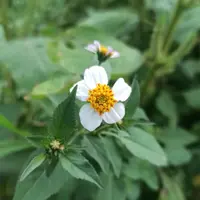
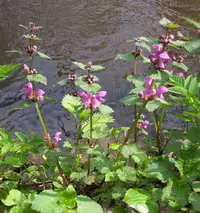
viperina Care (Zornia bracteata)

viperina

About viperina

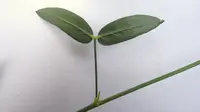
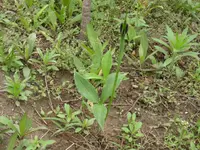
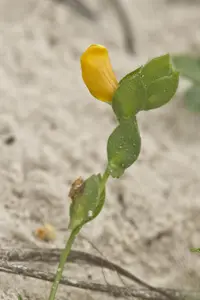
Zornia bracteata, commonly called viperina, is a small herbaceous legume with a low, spreading habit. It forms delicate stems with fine leaflets and small yellowish flowers, giving it a light, airy look.

This species is native to parts of South America, where it often grows in open, grassy or disturbed areas. Its growth is usually fast in warm seasons, which makes it responsive to good conditions but less tolerant of neglect.

In garden or container settings, viperina prefers bright light, moderately moist but well-drained soil, and protection from prolonged cold. These traits mean it is not difficult to manage if basic needs are met, and learning how to care for viperina focuses mainly on providing steady warmth and avoiding waterlogged roots.

Main Plant Requirements

Care Difficulty

Moderate Care

Light Preference

Full Sun

Water Requirements

Moderate Water

Temperature Preference

Warm Climate

Hardiness Zone

Unknown

Soil Texture

Sandy, Loamy

Soil pH

Acidic (5.5–6.5), Slightly acidic (6.5–7.0)

Soil Drainage

Well-drained

Fertilization

Minimal (feed rarely)

Get Personalized Care Plan

Scan your plant to receive care tips personalized for your specific plant

Available on iOS and Android

How to Care for the viperina

Zornia bracteata thrives in bright outdoor conditions with several hours of direct sun.

  • Provide 4–6 hours of direct morning to early afternoon sun, with light shade during the hottest mid-afternoon period in summer.
  • Plant in an open site that still receives at least 2–3 hours of direct light on cloudy or shorter winter days to maintain compact growth when caring for viperina.
  • Watch for leaf scorch, bleaching, or crispy edges as signs of too much intense sun, and for stretched, floppy stems as a sign of insufficient light.

Zornia bracteata prefers evenly moist, well-drained soil that never stays waterlogged.

  • Allow the top 2–4 cm of soil to dry before watering again, using finger-checks rather than a fixed calendar schedule.
  • Increase watering during hot, dry periods when leaves soften or droop slightly, and reduce frequency in cooler seasons once growth slows.
  • Use free-draining soil or a site with slight slope so excess water runs off, and watch for yellowing, mushy stems as overwatering signs or crisp, brittle leaves as underwatering signs.

This species grows best in warm, frost-free conditions outdoors.

  • Aim for 70–85°F (21–29°C) for strongest growth, with steady warmth and full seasonal sun exposure.
  • Protect plants if temperatures near 40°F (4°C); growth slows sharply below this, and light frost can damage foliage or kill young plants.
  • In hot spells above 95°F (35°C), provide extra water and light afternoon shade to limit heat stress, leaf scorch, and premature drying of stems.

This species handles a wide humidity range and usually does not need special humidity management indoors or outdoors.

  • Target 40–60% humidity, which matches most indoor air and many mild outdoor climates.
  • Dry air down to about 30% is usually tolerated if watering is consistent and roots are not stressed.
  • Watch for crisp leaf edges or slowed growth as signs of humidity plus moisture stress, and group pots or place near other plants to slightly raise local humidity if needed.

This plant prefers light, free-draining soil that prevents waterlogging and supports fine root development.

  • Choose a sandy or sandy-loam mix with moderate organic matter so water moves through quickly but the surface does not crust.
  • Aim for slightly acidic to neutral pH, around 6.0–7.0, which supports nutrient availability without extra amendments.
  • Mix in coarse sand or fine grit with a small portion of compost to improve structure, drainage, and aeration for Zornia bracteata.
  • Avoid heavy clay, compacted media, or peat-only mixes that stay wet for long periods and restrict air around the roots.

This species can be grown successfully in containers if drainage and root space are managed carefully.

  • Select a wide, shallow to medium-depth pot to accommodate its spreading root system and prevent dense, soggy lower layers.
  • Use a container material such as unglazed terracotta if extra evaporation is needed in wet or humid climates to keep the mix from staying saturated.
  • Raise the pot slightly on feet or bricks so drainage holes stay clear and excess water exits quickly after heavy rain or irrigation.

Zornia bracteata is a low-feeding legume, but light nutrition supports steady growth when cultivated as viperina in gardens or containers.

  • Use a balanced, dilute liquid fertilizer (around 10-10-10) at 1/4–1/2 strength during the active growing season.
  • Apply every 4–6 weeks in spring and summer if growth appears pale or weak, skipping feeds in very rich soil.
  • Incorporate a thin layer of compost or a mild slow-release fertilizer at the start of the season for long-term support.
  • Stop feeding in late fall and winter to avoid forcing soft, weak growth during natural rest periods.

Zornia bracteata benefits from light, targeted pruning to keep plants compact and healthy.

  • Time most pruning for late winter or early spring before strong new growth begins.
  • Remove dead, damaged, or diseased stems first, cutting back to healthy tissue with clean, sharp scissors or hand pruners.
  • Thin out crowded, leggy shoots to improve airflow and maintain a low, spreading form.
  • Lightly tip back stems after flowering if needed to encourage branching and denser foliage.

This species is more often grown in the ground, but container-grown plants and young starts may need careful transplanting.

  • Transplant in spring when soil is warming and plants show active new growth for the least stress.
  • Shift container plants only when roots circle the pot, drainage slows, or growth becomes stunted.
  • Move into a pot 2–5 cm wider or a well-prepared bed with loose, well-drained soil.
  • Water thoroughly after transplanting, shade for a few days, and keep soil evenly moist until new growth resumes.

Zornia bracteata is most commonly propagated from seed under warm, bright conditions.

  • Sow fresh seeds in spring to early summer in a free-draining seed mix kept at 70–80°F.
  • Lightly cover seeds and keep the medium just moist, not wet, to reduce damping-off disease risk.
  • Provide bright, indirect light and good airflow; germination is usually steady under stable warmth.
  • Transplant seedlings carefully once they have several true leaves, disturbing roots as little as possible.

In mild climates this plant often behaves as a warm-season species and may decline with hard frost.

  • Treat outdoor plantings in cold regions as annuals or allow self-sowing before winter.
  • In areas with light frost, add a thin mulch layer around the root zone to moderate temperature swings.
  • Move container-grown plants to a bright, cool, frost-free spot and reduce watering so soil stays slightly dry between waterings.

Care Tips

Trim after flush

Lightly shear the plant after each main flush of flowering to encourage compact regrowth and a longer blooming season when growing viperina outdoors or in containers.

Use low hoops

Install low wire hoops or short edging around the planting to keep the lax stems from lodging in heavy rain and to improve air movement through the foliage.

Rotate container position

If grown in a pot, rotate the container 90° every 1–2 weeks during active growth so stems develop evenly and do not lean or sprawl toward the brightest side.

Stage sowing cycles

Make 2–3 small sowings spaced 2–3 weeks apart rather than one large sowing to maintain a continuous stand of vigorous plants and staggered flowering.

Monitor nitrogen levels

Avoid high-nitrogen fertilizers or planting too close to heavily fertilized lawn areas, as excessive nitrogen encourages weak, floppy growth and reduced flower production.

Common Pests and Diseases

Bean leaf beetles

These insects chew small round or irregular holes in the leaflets and can skeletonize young foliage when populations are high.

Solution

Hand-pick beetles where practical and remove nearby legume weeds that act as hosts; in small plantings, use lightweight row cover to exclude adults and apply a neem-based or pyrethrin spray in the evening, targeting the undersides of leaves and repeating as needed according to label directions.

Aphids

These insects cluster on tender shoots and undersides of leaflets, sucking sap and causing curling, distortion, and sticky honeydew deposits that may lead to sooty mold.

Solution

Dislodge colonies with a strong stream of water, then treat remaining populations with insecticidal soap or horticultural oil, ensuring thorough coverage of young stems and leaf undersides and repeating every 5–7 days until new growth appears clean; encouraging lady beetles and lacewings also helps long-term control when growing viperina outdoors.

Leaf spot

This disease causes small brown, tan, or dark purple lesions on leaflets, sometimes with a yellow halo, which can merge and lead to premature leaf drop in humid, crowded stands.

Solution

Remove and discard affected leaves, avoid overhead watering, and increase spacing to improve airflow; in persistently wet conditions, protect foliage with a copper- or chlorothalonil-based fungicide applied preventively and repeated as directed on the label.

Rust

This disease produces orange to brown powdery pustules on the undersides of leaves, with corresponding pale or yellow spots on the upper surface, reducing photosynthesis and vigor in dense plantings.

Solution

Promptly remove and destroy infected leaves and plant debris, reduce leaf wetness by watering at soil level, and rotate planting areas if grown in beds; in severe cases, apply a labeled systemic or protective fungicide at first sign of pustules and repeat on the interval specified by the product.

Interesting Facts

Nitrogen-fixing legume

This species forms nodules on its roots that host rhizobia bacteria, which convert atmospheric nitrogen into forms the plant can use, helping to enrich poor tropical soils where it grows wild.

Pioneer grassland species

Zornia bracteata commonly colonizes disturbed, open savanna and grassland sites, where its low, spreading growth habit helps stabilize the soil and integrate into early-successional plant communities.

Distinctive bracted flowers

Its small, yellowish pea-like flowers are subtended by conspicuous leafy bracts that partially enclose the inflorescence, a feature that helps distinguish it from many other low-growing legumes in the field.

FAQs about viperina

This species usually forms a low, patchy groundcover rather than running aggressively. It can self-seed in open soil, but seedlings are easy to remove or relocate if the spread becomes wider than desired.

Grow Healthy Plants with Botan Care

Keep your plants happy and healthy with plant identification, disease detection, and easy care guidance.


Botan plant care app — identify plants on mobile

Explore More Plants