Seasonal dormancy handling
Mark the pot location when foliage dies back and keep the soil barely moist, not dry, so the underground tubers stay viable through dormancy without rotting.

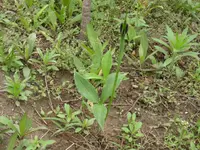
Crowdipper (Pinellia ternata) is a small tuberous aroid grown mainly for its unusual hooded flowers and low, clumping foliage. It behaves as a deciduous perennial, disappearing in winter and re-emerging from underground bulbs in spring.
In the wild, it is native to East Asia, where it often grows in woodland edges and grassy, disturbed ground. The plant can spread by seed and small bulbils, so it may become persistent where conditions suit it.
Its main appeal is the exotic flower shape combined with relatively undemanding needs, which can make it easy to grow but sometimes difficult to control. Those who want to learn how to care for crowdipper should know it prefers light shade, evenly moist but well-drained soil, and protection from extreme heat.

Care Difficulty
Moderate Care

Light Preference
Partial Shade

Water Requirements
Moderate Water

Temperature Preference
Cool Climate

Hardiness Zone
5–8

Soil Texture
Loamy, Silty, Organic-rich

Soil pH
Acidic (5.5–6.5), Slightly acidic (6.5–7.0)

Soil Drainage
Moist but well-drained

Fertilization
Minimal (feed rarely)
Scan your plant to receive care tips personalized for your specific plant
Available on iOS and Android
This woodland aroid prefers bright, indirect light that mimics dappled forest shade.
This tuberous plant prefers evenly moist but not saturated soil during active growth.
This species grows best in cool to mild conditions with distinct winter dormancy.
This species grows well in typical indoor humidity but benefits from slightly moist air in heated homes.
Pinellia ternata prefers loose, humus-rich soil that stays evenly moist yet drains quickly.
This species is well suited to container growing, especially where garden space or climate is limiting.
Pinellia ternata benefits from light, thoughtful feeding during its active growing season.
Pruning needs for Pinellia ternata are minimal and focus on hygiene rather than shaping.
This species is usually grown in the ground, so transplanting clumps and tubers is more common than container repotting.
Pinellia ternata is commonly multiplied by division of its tubers and any small offset bulbs.
This hardy woodland species tolerates typical temperate winters with only modest care once established.

Plant Health Check
Not sure what's wrong with your plant? Check your plant's health inside the app.
This species naturally grows in the shaded understory of woodlands in East Asia, often emerging through leaf litter where its mottled foliage helps it blend into the forest floor.
It dies back completely to an underground tuber during unfavorable seasons, allowing it to survive cold winters and re-sprout once temperatures and moisture levels improve.
Outside its native range, especially in parts of the US, it has shown invasive behavior in gardens and natural areas, spreading through both tubers and small bulbils that form around the base of the plant.

In traditional East Asian agriculture and ethnobotany, the dried tubers of this species have long been documented as a processed ingredient in herbal formulas, and modern pharmacological research has identified bioactive compounds such as alkaloids and phenolic constituents that are being studied for their effects on the nervous system and inflammation.
Yellowing leaves often result from prolonged waterlogging, compacted soil that excludes air from the roots, or nutrient depletion after active growth. Check drainage, reduce watering frequency, and refresh or lightly fertilize the soil during the growing season.
Keep your plants happy and healthy with plant identification, disease detection, and easy care guidance.