Philodendron burle-marxii Care

Philodendron burle-marxii

About Philodendron burle-marxii

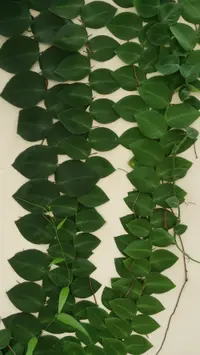
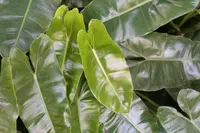
Philodendron burle-marxii is a compact tropical aroid grown mainly for its glossy, elongated heart-shaped leaves and vining habit. It is often used as a trailing or climbing houseplant. Native to tropical regions of Brazil, it typically creeps along the forest floor or climbs tree trunks, forming dense mats of foliage. Its growth is relatively fast under stable indoor conditions. This species is considered moderately easy for most indoor growers, as it tolerates a range of household conditions if extremes are avoided. Understanding how to care for Philodendron burle-marxii mainly involves providing bright, indirect light, evenly moist but not waterlogged soil, and good airflow.

Main Plant Requirements

Care Difficulty

Moderate Care

Light Preference

Bright Indirect Light

Water Requirements

Moderate Water

Temperature Preference

Tropical / Frost Sensitive

Hardiness Zone

10–12

Soil Texture

Loamy, Peaty, Organic-rich

Soil pH

Acidic (5.5–6.5), Slightly acidic (6.5–7.0)

Soil Drainage

Moist but well-drained

Fertilization

Light (every 4–6 weeks)

Get Personalized Care Plan

Scan your plant to receive care tips personalized for your specific plant

Available on iOS and Android

How to Care for the Philodendron burle-marxii

This species prefers bright, indirect light that mimics a lightly shaded tropical understory.

  • Provide 6–8 hours of bright, filtered light daily, such as near an east or north window or under sheer curtains if grown indoors.
  • Tolerates partial shade outdoors, but growth slows if light is very low; long, sparse stems and small leaves indicate insufficient light.
  • Avoid strong midday or afternoon sun, which can cause yellow patches and crisp brown edges; shift the plant back or add shade cloth in summer.

Watering should keep the root zone evenly moist but never saturated for extended periods.

  • Allow the top 2–4 cm of soil to dry before watering; check with a finger rather than using a fixed schedule.
  • In spring and summer, expect to water more often as growth and evaporation increase; reduce frequency in fall and winter while still preventing complete dryness.
  • Yellowing lower leaves, soft stems, and a sour soil smell suggest overwatering and poor drainage, while drooping, thin leaves and very dry soil indicate underwatering.

Stable, warm temperatures support steady growth and reduce stress for this tropical aroid.

  • Aim for 65–80°F (18–27°C) for optimal growth, with good airflow but no direct blasts from heaters or air conditioning.
  • Short dips to 55–60°F (13–16°C) are usually tolerated, but growth slows; prolonged exposure below 50°F (10°C) can cause leaf damage and root stress.
  • This plant is highly sensitive to frost and should be protected from temperatures near 32°F (0°C) and from extreme heat above 90°F (32°C), which can cause wilting and leaf scorch.

This species prefers moderate to high humidity but adapts if air is not extremely dry.

  • Aim for 50–70% humidity to support steady leaf growth and reduce leaf edge browning.
  • Tolerates short periods at 35–40%, but prolonged dry air leads to crispy tips, curled leaves, and slowed growth.
  • Increase humidity with a nearby humidifier, grouped plants, or a pebble tray, rather than misting leaves directly.

Philodendron burle-marxii prefers a loose, airy, organic-rich mix that drains quickly but does not dry out instantly.

  • Use a mix of roughly 40% peat or coco coir, 30% fine orchid bark, 20% perlite, and 10% compost for structure and nutrients.
  • Ensure rapid drainage so water runs through in seconds, leaving the mix lightly moist, not waterlogged.
  • Keep pH slightly acidic to neutral (pH 5.5–7.0) to support nutrient uptake and avoid leaf yellowing from imbalance.
  • Improve aeration by adding more bark or chunky perlite if the pot feels heavy or the surface stays wet longer than 3–4 days.

This species is well suited to container growing due to its compact, clumping habit.

  • Choose a pot slightly wider than deep to allow spreading roots and prevent the plant from becoming unstable as stems branch outward.
  • Select a sturdy, heavier container if using a support or if growth becomes slightly top-heavy, to reduce tipping risk.
  • Use a pot material that matches your watering style, such as terracotta to evaporate moisture faster if the mix stays wet too long.

During the growing season, Philodendron burle-marxii responds well to light, consistent feeding in containers.

  • Use a balanced liquid fertilizer (for example 10-10-10 or 20-20-20) diluted to 1/4–1/2 strength for indoor pots.
  • Feed every 4–6 weeks in spring and summer when growth is active.
  • Pause or reduce feeding to 1 light application in late fall or winter, especially in low light.
  • Alternatively, apply a slow-release fertilizer or thin layer of compost in spring, avoiding direct contact with stems.

Pruning Philodendron burle-marxii is mainly done to manage size and keep foliage healthy.

  • Best time is late winter to early spring before vigorous new growth begins.
  • Remove yellowing, dead, or damaged leaves at the base with clean, sharp scissors or pruners.
  • Thin crowded or leggy stems just above a node to encourage fuller, more compact growth.
  • Disinfect tools before and after cutting to reduce disease spread.

Container-grown Philodendron burle-marxii benefits from occasional repotting to maintain root health and growth.

  • Check for roots circling the pot, growing from drainage holes, or slowed growth as signs it needs a larger container.
  • Plan to repot every 2–3 years, ideally in spring when new growth is starting.
  • Move into a pot 2–5 cm wider, using fresh, well-draining aroid mix to improve aeration.
  • Water thoroughly after repotting, then keep soil slightly moist and shaded for 5–7 days to reduce root stress.

This species is commonly propagated vegetatively to maintain identical plants.

  • Use stem cuttings with at least 1 node and ideally 1–2 leaves, taken in spring or early summer.
  • Place cuttings in water or a moist, well-draining mix, keeping temperatures around 70–80°F and humidity above 50%.
  • Ensure at least 1 node is buried or submerged, as roots form from this area.
  • Division of crowded clumps is another method; separate sections with roots attached and pot individually.

This tropical plant is frost-sensitive and needs indoor or protected conditions in cold climates.

  • Keep temperatures above 55°F; growth slows below this, and foliage can be damaged near freezing.
  • In regions with frost, grow in containers and bring plants indoors before nights drop below 50°F.
  • Indoors, place in bright, indirect light and reduce watering so the top 2–3 cm of soil dries between waterings.

Care Tips

Encourage Compact Growth

Rotate the pot 90° every 1–2 weeks and trim only the longest, sparsest vines so the plant stays low, full, and architectural rather than becoming stringy along the soil line.

Use Horizontal Supports

Lay small loops of soft plant tie or garden wire over the stems and pin them lightly to the substrate so nodes stay in firm contact with the surface and root faster, creating a dense mat of foliage.

Root Pruning At Repot

During repotting, gently tease apart crowded roots and trim only dark, mushy, or circling roots with clean shears to keep the root system active and prevent the plant from stalling after transplant.

Targeted Pest Checks

Inspect the undersides of leaves, along the midrib, and around node joints every 2–3 weeks, wiping these areas with a damp microfiber cloth to remove dust and early pest colonies before they establish.

Seasonal Light Adjustment

In winter, move the plant 0.5–1 m closer to a bright window or extend grow-light time by 1–2 hours to compensate for shorter days and maintain consistent growth when caring for Philodendron burle-marxii.

Common Pests and Diseases

Spider mites

This pest often appears on plants kept in warm, dry indoor air and can cause stippled, faded patches on leaves and fine webbing along leaf edges and petioles.

Solution

Rinse foliage thoroughly with a strong, lukewarm shower, including the undersides of leaves, then repeat every few days; increase humidity to 50–60% and, if needed, apply insecticidal soap or a neem oil spray, ensuring full leaf coverage and good air circulation while leaves dry.

Mealybugs

These insects hide in leaf axils and along stems, producing cottony white clusters and sticky honeydew that can lead to sooty mold on the foliage.

Solution

Remove visible insects with cotton swabs dipped in isopropyl alcohol, then wash the plant with lukewarm water and a mild insecticidal soap solution, repeating weekly until no new mealybugs appear and isolating the plant from others during treatment.

Scale insects

This pest appears as small, dome-shaped bumps along stems and leaf midribs, slowly weakening the plant and causing yellowing or dropping leaves.

Solution

Gently scrape or wipe off individual scales with a fingernail or soft cloth, then follow with a thorough application of horticultural oil or neem oil to stems and leaf veins, repeating every 7–10 days while monitoring new growth closely.

Bacterial leaf spot

This disease produces water-soaked, translucent patches that turn tan to dark brown, often with yellow halos, especially when foliage stays wet for long periods.

Solution

Promptly remove and discard affected leaves, keep foliage dry by watering at soil level, increase air movement around the plant, and avoid overcrowding; in severe cases, discard heavily infected plants to prevent spread to other aroids and follow strict tool and hand hygiene when pruning.

Fungal leaf blight

Symptoms include irregular brown lesions that start at leaf edges or along major veins and may expand quickly in overly humid, stagnant air, especially on dense clumps of vines.

Solution

Cut off damaged leaves with sterilized pruners, thin crowded stems to improve airflow, allow the top 2–3 cm of soil to dry before watering again, and if conditions stay humid use a copper-based fungicide labeled for houseplants according to directions as part of broader Philodendron burle-marxii plant care.

Interesting Facts

Low-growing climber

This species naturally forms a low, scrambling groundcover in its native Brazil, then slowly climbs nearby rocks or tree trunks using short internodes and many aerial roots.

Distinctive leaf dimorphism

Juvenile plants produce small, narrow, strongly corrugated leaves, while more mature, well-supported plants can develop longer, broader blades with a smoother texture and more pronounced midrib.

Named for Roberto Burle Marx

The species honors Brazilian landscape architect Roberto Burle Marx, who was also a keen plant collector and helped introduce many Brazilian aroids to cultivation, including this one, which shaped modern interest in Philodendron burle-marxii plant care.

FAQs about Philodendron burle-marxii

This species is usually more reliable indoors in most US climates, where temperatures, light, and humidity stay stable. Outdoors, it only does well in frost-free, warm, humid areas with shaded exposure and protection from strong wind and direct sun.

Grow Healthy Plants with Botan Care

Keep your plants happy and healthy with plant identification, disease detection, and easy care guidance.

Botan plant care app — identify plants on mobile

Explore More Plants