streamside swordfern Care (Nephrolepis rivularis)

streamside swordfern

About streamside swordfern

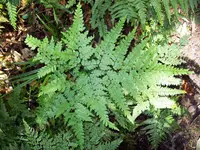
Streamside swordfern, Nephrolepis rivularis, is a lush evergreen fern known for its long, arching fronds and dense, fountain-like habit. It forms a graceful mound that works well in hanging baskets or as a cascading accent in larger containers.

In nature it is found in warm, humid areas along streams and riverbanks, often growing in filtered light and consistently moist soils. The plant tends to be moderately easy to grow if its need for steady moisture, humidity, and protection from harsh sun is respected.

Those conditions also guide how to care for streamside swordfern in homes or greenhouses, where stable temperatures and avoidance of dry air are especially important.

Main Plant Requirements

Care Difficulty

Moderate Care

Light Preference

Partial Shade

Water Requirements

Keep Soil Moist

Temperature Preference

Tropical / Frost Sensitive

Hardiness Zone

10–11

Soil Texture

Loamy, Peaty, Organic-rich

Soil pH

Acidic (5.5–6.5)

Soil Drainage

Moist but well-drained

Fertilization

Light (every 4–6 weeks)

Get Personalized Care Plan

Scan your plant to receive care tips personalized for your specific plant

Available on iOS and Android

How to Care for the streamside swordfern

Nephrolepis rivularis prefers bright, indirect light that mimics its native streamside habitats.

  • Provide 4–6 hours of filtered or dappled light daily, such as under high tree cover, morning sun with afternoon shade, or light through a sheer curtain.
  • Tolerates partial to full shade, but in very low light fronds become sparse, elongated, and pale green over several weeks.
  • Avoid direct midday and strong afternoon sun, which can scorch frond tips; in summer, shift or shield plants if light intensity increases.

This fern needs consistently moist, but not waterlogged, soil to maintain healthy fronds and roots.

  • Water when the top 1–2 cm of soil feels barely dry, aiming to keep the root zone evenly damp rather than cycling between wet and dry.
  • In warm growing seasons, monitor soil every 2–3 days; in cooler months, allow the surface to dry slightly deeper while still avoiding complete dryness.
  • Watch for pale, crisp fronds as a sign of underwatering and blackened, mushy roots or sour odor as signs of overwatering and poor drainage.

This species grows best in warm, frost-free conditions with stable temperatures.

  • Maintain an ideal range of 65–80°F (18–27°C) for steady growth; brief drops to 55°F (13°C) are tolerated but may slow new fronds.
  • Protect from cold; exposure below 40°F (4°C) can cause frond collapse, and freezing temperatures can kill the crown and roots.
  • In hot weather above 85°F (29°C), increase humidity and shade, and avoid placing the plant near heat-reflective surfaces or drying winds.

This fern needs consistently high humidity to maintain healthy fronds and avoid browning tips.

  • Aim for 60–80% humidity; regular exposure to dry indoor air below 40% causes crisping pinnae and dull, thinning fronds.
  • Place the streamside swordfern on a pebble tray with water or near a cool-mist humidifier, rather than misting alone.
  • Watch for pale, curling frond tips and slowed new growth as signs of low humidity stress and increase moisture in the surrounding air.

Nephrolepis rivularis prefers a loose, moist, organic-rich substrate that drains freely yet retains consistent moisture.

  • Use a mix of 50–60% peat or coco coir with added fine bark and compost for structure and nutrient retention.
  • Add 20–30% perlite to improve aeration so roots receive oxygen and excess water can move through the profile easily.
  • Target a slightly acidic pH around 5.5–6.5, which supports nutrient uptake and healthier, greener fronds.
  • Avoid heavy garden soil, dense clay, or poorly drained mixes that stay soggy and promote root rot and frond collapse.

This fern adapts well to container culture when moisture and stability are carefully managed.

  • Choose a wide, shallow pot to accommodate its spreading root system and reduce tipping as fronds arch outward.
  • Select a slightly heavier material like ceramic to stabilize vigorous top growth and limit rapid moisture fluctuations.
  • Ensure drainage holes are fully open and elevate the pot slightly so excess water can leave the root zone quickly.

Nephrolepis rivularis responds well to modest, consistent feeding during active growth.

  • Use a balanced liquid fertilizer (for example 10-10-10) at 1/4–1/2 strength for caring for streamside swordfern in pots or baskets.
  • Feed every 4–6 weeks in spring and summer when new fronds are forming.
  • Stop or greatly reduce feeding in fall and winter when growth slows.
  • Organic compost or a mild slow-release fertilizer can be mixed into the potting medium for long-term nutrition.

Pruning Nephrolepis rivularis focuses on cleaning and shaping the fern rather than heavy cutting.

  • Best time is late winter to early spring, or any time damaged fronds appear.
  • Remove dead, yellowing, or diseased fronds at the base using clean, sharp scissors or pruners.
  • Thin out crowded, tangled fronds to improve air flow and maintain an even, arching shape.
  • Avoid cutting into the central crown, which can slow recovery and new frond production.

Streamside swordfern benefits from occasional repotting or transplanting to maintain vigorous growth.

  • Check for roots circling the pot, pushing through drainage holes, or slowed growth as signs it needs a larger container.
  • Plan to repot every 2–3 years in spring, using a slightly larger pot with a loose, peat-free, well-drained mix.
  • Water well the day before and handle the root ball gently, loosening only the outer roots to limit stress.
  • After repotting, keep the plant in bright, indirect light with evenly moist soil for 1–2 weeks to help recovery.

Nephrolepis rivularis is most reliably propagated by division of mature clumps.

  • Divide in spring when new growth starts and the root mass is full and healthy.
  • Gently unpot the plant and separate the crown into sections, each with several fronds and a strong root portion.
  • Plant divisions into fresh, moist, well-drained mix and firm lightly around the roots.
  • Maintain high humidity, indirect light, and evenly moist soil until new fronds emerge and growth stabilizes.

Nephrolepis rivularis is tender to frost and needs protection in regions with cold winters.

  • Avoid exposure to temperatures below about 40°F; prolonged freezing can kill fronds and crowns.
  • Move container plants indoors to a bright, draft-free spot before night temperatures drop near 45°F.
  • In mild climates, apply a light mulch around outdoor clumps to insulate the root zone without burying the crown.
  • Water less in winter, keeping the soil just lightly moist while growth is slow.

Care Tips

Divide Crowded Clumps

Every 2–3 years, lift and divide congested root masses in spring, replanting only the healthiest, firm rhizomes to maintain frond vigor and prevent decline from self-shading.

Refresh Tired Fronds

Once a year at the end of winter, remove all brown or yellowing fronds at the base and lightly thin dense, older fronds so new growth receives better air flow and light penetration.

Manage Sprawling Stolons

Guide or trim long surface runners before they root into unwanted areas, using them as propagation material in separate pots to control spread while keeping the mother plant tidy.

Optimize Pot Depth

Use a wide, shallow container rather than a deep narrow one to accommodate the fibrous, surface-oriented root system and reduce the risk of waterlogging in the lower substrate.

Seasonal Outdoor Shifts

In mild climates, move container plants outdoors for the warm, frost-free season under bright shade, then return them indoors before nights drop below 55°F to support growing streamside swordfern with stronger frond development and better air circulation.

Common Pests and Diseases

Fern scale

This pest attaches to fronds and stems as small brown or gray bumps, sucking sap and causing yellowing, thinning foliage, and poor growth. Symptoms include sticky honeydew on nearby surfaces and occasional sooty mold on fronds.

Solution

Isolate the plant, then gently scrape or wipe off visible scale with a cotton pad dipped in 70% isopropyl alcohol, taking care not to damage fragile fronds. Follow with 2–3 weekly treatments of a light horticultural oil spray labeled for ferns, and improve air circulation and light levels to support recovery while monitoring closely for reinfestation.

Mealybugs

These insects appear as white, cottony clusters in frond bases and along midribs, feeding on plant sap and leading to distorted, pale fronds and sticky residue. This pest often hides deep in the dense foliage where humidity remains high.

Solution

Remove heavily infested fronds and dab visible insects with cotton swabs soaked in 70% isopropyl alcohol, then rinse the plant thoroughly with lukewarm water to dislodge hidden insects. Repeat alcohol spot-treatments weekly and use a mild insecticidal soap safe for ferns, applied in the early evening so fronds dry slowly without leaf burn.

Fern aphids

These insects cluster on tender young fronds and rachises, sucking sap and causing deformation, curled tips, and general decline in vigor. This pest thrives in soft, humid fern growth and may lead to honeydew and sooty mold development.

Solution

Hold the plant over a sink or outdoors and spray the foliage with a strong but gentle stream of water to knock aphids off, repeating every few days as needed. For persistent populations, apply an insecticidal soap formulated for delicate foliage, ensuring full coverage of undersides of fronds, and increase air movement around the plant while avoiding direct drafts.

Rhizoctonia leaf blight

This disease causes irregular tan to brown lesions on fronds, often starting where foliage stays wet and crowded, and may lead to collapse of affected pinnae. Symptoms include patchy dieback in the densest parts of the canopy.

Solution

Trim and discard all affected fronds, then thin overcrowded growth to increase airflow and ensure fronds dry quickly after watering. Water at the base, avoid overhead misting, and if spread continues, use a fungicide labeled for ornamental ferns containing a Rhizoctonia-active ingredient, applied according to label directions while keeping humidity moderate and stable.

Botrytis gray mold

This disease develops in cool, stagnant, high humidity conditions, producing soft, water-soaked spots on fronds that soon show fuzzy gray mold. Symptoms include rapid blighting of delicate leaf tissue, especially in dense, shaded centers of the plant.

Solution

Remove and discard all infected fronds and any fallen plant debris, then increase ventilation and reduce prolonged leaf wetness by watering in the morning and avoiding constant misting. In severe cases, apply a fungicide registered for gray mold on ornamentals and slightly lower humidity to 50–60% while maintaining even soil moisture to prevent stress during Nephrolepis rivularis care.

Interesting Facts

Stream-edge specialist

This species naturally grows along forest streams and wet banks in the Neotropics, where its root system is adapted to frequent moisture and periodic flooding without rotting as quickly as many other ferns.

Arching, drooping fronds

Its long, narrow fronds form dense, arching tufts that tend to droop rather than stand upright, a growth form that helps shed water efficiently in humid, rainfall-heavy habitats.

Spore pattern differences

Compared with closely related swordferns, it shows distinct arrangements and shapes of sori (spore-producing clusters) on the underside of the pinnae, which is one of the main features botanists use to separate it at the species level.

FAQs about streamside swordfern

This species spreads through short runners and dense clumping rather than long, invasive stolons. In garden beds it can slowly expand over time, but it is usually manageable with periodic division and clear edging.

Grow Healthy Plants with Botan Care

Keep your plants happy and healthy with plant identification, disease detection, and easy care guidance.

Botan plant care app — identify plants on mobile

Explore More Plants