Scented Fern Care (Anemia caffrorum)

Scented Fern

About Scented Fern

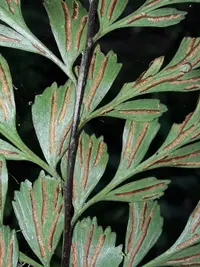
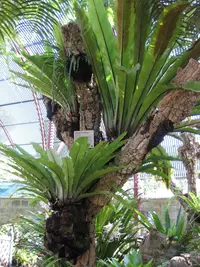
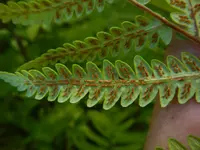
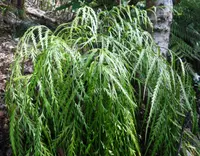
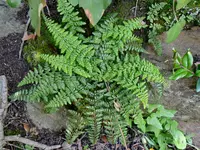
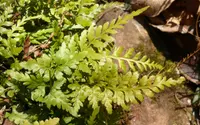
Scented fern (Anemia caffrorum) is a small, decorative fern valued for its softly textured fronds and subtle, pleasant scent when gently brushed. It forms low, airy clumps that suit containers, mixed plantings, or shaded borders. This species is native to parts of southern Africa, where it grows in rocky, well-drained sites with regular moisture. Its preference for consistent humidity and even soil moisture makes it slightly more demanding than many common houseplants. With stable conditions and protection from harsh sun or drying drafts, it can adapt well indoors. Understanding how to care for Scented Fern helps keep its foliage dense and healthy over time.

Main Plant Requirements

Care Difficulty

Moderate Care

Light Preference

Partial Shade

Water Requirements

Keep Soil Moist

Temperature Preference

Warm Climate

Hardiness Zone

10–11

Soil Texture

Loamy, Sandy, Organic-rich

Soil pH

Acidic (5.5–6.5)

Soil Drainage

Moist but well-drained

Fertilization

Light (every 4–6 weeks)

Get Personalized Care Plan

Scan your plant to receive care tips personalized for your specific plant

Available on iOS and Android

How to Care for the Scented Fern

This fern prefers soft, filtered light similar to a bright forest understory.

  • Provide 2–4 hours of gentle morning sun with bright, dappled or filtered light for the rest of the day; avoid harsh midday and afternoon sun.
  • Grow Scented Fern in partial shade outdoors, under high tree canopy or a 30–50% shade cloth, to prevent frond scorch and leaf curl.
  • In summer, increase shade as sun intensifies; in winter, allow more open exposure so fronds still receive 3–5 hours of bright light.

This species needs steadily moist but not waterlogged soil around its shallow roots.

  • Water when the top 2–3 cm of soil feel barely dry, aiming to keep the root zone consistently damp without puddling.
  • Use loose, well‑drained soil with added leaf mold or fine bark so excess water drains quickly and Anemia caffrorum roots get enough air.
  • In hot, dry weather, monitor daily for wilting or crisping frond tips; reduce watering in cool seasons to avoid yellowing fronds and sour‑smelling soil from overwatering.

This fern does best in mild, frost‑free conditions with stable temperatures.

  • Aim for 60–77°F (16–25°C) for active growth; avoid sudden swings greater than about 10°F (6°C) in a short period.
  • Protect from cold below about 40°F (4°C); repeated exposure near freezing can damage fronds and may kill young crowns.
  • In hot spells above 86°F (30°C), give extra shade and moisture, and ensure airflow so fronds do not overheat or collapse.

This fern prefers consistently moist air and reacts quickly to dry indoor conditions.

  • Aim for 50–70% humidity to keep fronds lush and reduce browning tips.
  • Dry air causes crisped pinnae, slow growth, and increased leaf drop on Scented Fern.
  • Increase humidity with a pebble tray under the pot, grouping plants, or a small humidifier near the fern.

This species needs a loose, humus-rich mix that stays evenly moist yet drains freely.

  • Use a mix of 50–60% peat or coco coir, 20–30% compost, and 20–30% perlite or fine bark for structure and drainage.
  • Target slightly acidic soil, around pH 5.5–6.5, which suits Anemia caffrorum and supports nutrient uptake.
  • Ensure the mix is friable and airy so water moves through easily but fine roots remain well aerated.
  • Avoid heavy clay, compacted mixes, or pure sand, which either hold water around roots or dry out too fast.

This fern adapts well to container growing when moisture and stability are carefully managed.

  • Choose a pot deep enough to accommodate its fibrous root system so the mix does not dry out in just the top layer.
  • Select a slightly wider, heavier container to counterbalance its spreading fronds and prevent tipping in light wind.
  • Use a container material that slows moisture loss, such as glazed ceramic or thick plastic, to keep the root zone evenly damp.

This fern responds to light, consistent feeding during active growth but dislikes heavy fertilizer applications.

  • Use a balanced liquid fertilizer (e.g., 10-10-10) at 1/4–1/2 strength every 4–6 weeks in spring and summer for Scented Fern indoor care.
  • Apply to moist soil only, never to dry roots, to lower the risk of fertilizer burn.
  • Pause feeding in fall and winter, or reduce to 1 light application midwinter if growth continues under warm, bright conditions.
  • Organic compost or a mild slow-release product can replace liquid feed, but use sparingly in already rich mixes.

Anemia caffrorum needs only light pruning to stay tidy and healthy.

  • Best time is late winter to early spring, before strong new growth starts.
  • Remove dead, yellowing, or damaged fronds at the base using clean, sharp scissors or pruning shears.
  • Thin out crowded inner fronds to improve air movement and reduce fungal problems.
  • Avoid cutting healthy green fronds heavily, as this reduces photosynthesis and weakens the plant.

This fern grows moderately and prefers careful, infrequent repotting or division rather than frequent disturbance.

  • Check for roots circling the pot, emerging from drainage holes, or noticeably slowed growth as signs it needs a larger container.
  • Plan repotting or transplanting in early spring, every 2–3 years, when new growth is just starting.
  • Choose a pot only 2–5 cm wider with a loose, humus-rich, well-drained mix to limit waterlogging stress.
  • Gently loosen the root ball, keep roots shaded and moist during the process, then water thoroughly and keep in soft light for 1–2 weeks.

This fern is most practically multiplied by division rather than from spores for home growers.

  • Divide mature clumps in early spring, when new fronds begin to emerge.
  • Lift the plant, then gently separate the rhizome into sections, each with several fronds and a healthy root system.
  • Replant divisions into small pots with moist, well-drained, humus-rich mix, keeping crowns just at soil level.
  • Maintain high humidity, stable warmth (65–75°F), and evenly moist soil until new growth proves establishment.

This species prefers mild, frost-free conditions and benefits from basic winter protection in cooler climates.

  • In regions with frost, grow Anemia caffrorum in containers and move indoors or to a cool greenhouse before temperatures drop below 40°F.
  • Outdoors in mild areas, add a 5–8 cm mulch layer around the root zone, keeping it slightly away from the crown.
  • Reduce watering in winter, allowing the top layer of soil to dry slightly, but do not let the root ball fully dry.
  • Provide bright, indirect light indoors and avoid cold drafts or heater blasts to limit stress.

Care Tips

Rhizome Positioning

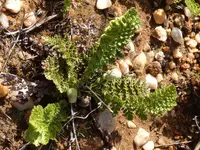
Set the rhizomes just at or slightly above the soil surface rather than deeply buried, which encourages new fronds to emerge evenly and reduces the risk of rot at the crown.

Gentle Frond Cleaning

Use a soft brush or a burst of compressed air on the lowest setting to remove dust from the fine fronds without tearing them, improving light capture and reducing spider mite habitat.

Pot Weight Monitoring

Choose a heavier clay or ceramic pot to counterbalance the airy, arching fronds and reduce the risk of the plant toppling when the substrate is moist and lighter.

Quarantine New Plants

Isolate any new ferns or houseplants for 10–14 days before placing them nearby, so that potential scale, mealybugs, or mites do not spread to this sensitive species.

Seasonal Light Shifting

Move the plant slightly farther from bright windows during high-summer sun and slightly closer in winter, maintaining stable, indirect light that supports steady growth when caring for Scented Fern.

Common Pests and Diseases

Scale insects

This pest attaches to fronds and stems, sucking sap and causing yellowing, stunted growth, and sticky honeydew on the foliage. Symptoms include small brown or tan bumps that do not move when touched.

Solution

Gently wipe fronds and stems with a cotton pad dipped in diluted alcohol or insecticidal soap, repeating weekly until no new scale appears. Improve air movement around the plant, avoid overfertilizing, and inspect regularly so infestations are removed early as part of routine Anemia caffrorum plant care.

Fern aphids

These insects cluster on young fronds and rachises, causing distorted new growth and sticky residue that can encourage sooty mold. This pest is most common on soft, actively growing foliage in humid, sheltered sites or greenhouses.

Solution

Rinse the plant thoroughly with a firm but gentle stream of water, focusing on the undersides of fronds, then follow with applications of insecticidal soap or a neem-based spray every 5–7 days until populations drop. Remove heavily infested fronds and reduce excess nitrogen fertilization, which promotes soft, aphid-prone growth.

Rhizoctonia leaf spot

This disease causes irregular brown to dark lesions on pinnae, often starting near the base or along the midrib, which can coalesce and kill sections of the frond. Symptoms include a patchy, blighted appearance, especially in plants kept very dense and wet.

Solution

Remove and discard affected fronds, then space plants to improve airflow and avoid wetting the foliage when watering. In persistent cases, apply a fern-safe fungicide labeled for Rhizoctonia, and keep the substrate just evenly moist rather than saturated.

Botrytis blight

This disease produces soft, brown, water-soaked patches on fronds that may develop a gray, fuzzy mold under cool, stagnant, and very humid conditions. Symptoms include rapid collapse of tender fronds, especially in crowded indoor setups or shaded greenhouses.

Solution

Cut off and discard all affected tissue and any fallen debris, then increase ventilation and reduce overhead misting to keep fronds drier. For valuable specimens, use a suitable fungicide labeled for Botrytis and maintain moderate spacing and humidity balance to prevent recurrence.

Interesting Facts

Southern African origin

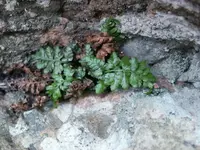
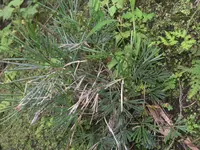
This fern is native to southern Africa, where it typically grows on rocky slopes and grassland edges rather than in dense forest, which is unusual for many ferns that prefer deep shade.

Distinctive scented foliage

When the fronds are rubbed or crushed, they release a noticeable scent, which is why it is sometimes called scented fern in horticulture.

Dimorphic fronds present

The plant often shows frond dimorphism, meaning its fertile fronds that bear spores differ in shape and structure from the sterile fronds, a characteristic feature of several Anemia species but well marked in this one.

FAQs about Scented Fern

Brown tips or fronds usually result from low humidity, underwatering, or excess fertilizer salts. Dry indoor air and missed waterings are common. Remove crisp fronds, flush the soil occasionally, and keep moisture and humidity more consistent.

Grow Healthy Plants with Botan Care

Keep your plants happy and healthy with plant identification, disease detection, and easy care guidance.

Botan plant care app — identify plants on mobile

Explore More Plants