Bird's nest fern Care (Asplenium australasicum)

Also known as: Crow's-nest fern
Bird's nest fern

About Bird's nest fern

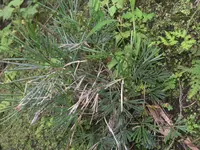
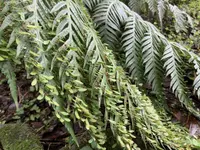
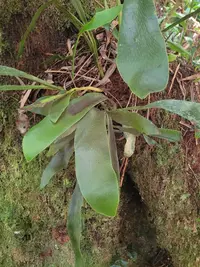
Bird's nest fern (Asplenium australasicum) is an evergreen tropical fern that forms a broad rosette of arching, strap-shaped fronds. The fronds emerge from a central growing point, creating a nest-like funnel that collects debris and moisture in nature.

This species is native to warm, humid forests in Australia and parts of Southeast Asia, where it often grows as an epiphyte on trees or on rocks. Its lack of delicate leaflets and relatively sturdy fronds make it easier to handle than many finer ferns.

Asplenium australasicum prefers shaded to bright filtered light, consistently moist conditions, and airy, organic-rich media. These stable moisture and humidity needs are the main factors that determine how to care for Bird's nest fern successfully.

Main Plant Requirements

Care Difficulty

Moderate Care

Light Preference

Bright Indirect Light

Water Requirements

Keep Soil Moist

Temperature Preference

Tropical / Frost Sensitive

Hardiness Zone

10–12

Soil Texture

Loamy, Peaty, Organic-rich

Soil pH

Acidic (5.5–6.5), Slightly acidic (6.5–7.0)

Soil Drainage

Moist but well-drained

Fertilization

Light (every 4–6 weeks)

Get Personalized Care Plan

Scan your plant to receive care tips personalized for your specific plant

Available on iOS and Android

How to Care for the Bird's nest fern

This fern prefers soft, filtered light that mimics bright forest shade.

  • Provide bright, indirect light or dappled shade for 6–8 hours daily; morning sun through an east window or under light tree canopy suits a Bird's nest fern well.
  • Avoid strong midday or afternoon sun, which can scorch fronds, cause pale or brown patches, and dry the central rosette.
  • In winter, move slightly closer to a bright window or increase filtered light, but still shield from direct rays to prevent leaf stress.

This species prefers consistently moist conditions without staying waterlogged.

  • Water when the top 2–3 cm of soil or substrate feels just barely dry, aiming for evenly moist but not soggy conditions.
  • Reduce watering slightly in cooler months, watching fronds for signs: limp, crisp edges indicate underwatering, while yellowing and a sour smell suggest overwatering.
  • Use a free-draining, airy mix and avoid directing water into the central rosette of Asplenium australasicum to limit rot risk.

This fern thrives in warm, stable temperatures typical of mild to tropical climates.

  • Aim for 65–80°F (18–27°C) for active growth, with steady humidity and minimal daily temperature swings.
  • Protect from cold; growth slows below 60°F (16°C) and tissue damage often occurs near 40°F (4°C), so shelter from frost entirely.
  • Tolerates short heat spells up to about 90°F (32°C) if shaded and kept moist; increase humidity and air movement to prevent frond scorch.

This fern benefits from consistently high humidity for best frond health.

  • Aim for 60–80% humidity, as Bird's nest fern foliage is adapted to moist, sheltered forest conditions.
  • In dry indoor air below 40%, frond tips brown, edges crisp, and new growth twists or stalls.
  • Increase humidity with a nearby humidifier, grouped plants, or a pebble tray under the pot, but avoid misting that leaves water sitting in the crown.

This species prefers a loose, moist, organic-rich mix that mimics decomposing forest litter on tree branches or rocks.

  • Use a chunky mix of peat or coco coir, fine bark, and perlite in roughly equal parts to provide both moisture retention and air spaces.
  • Ensure fast drainage so water passes through in seconds yet leaves the mix evenly damp, not waterlogged or compacted.
  • Target slightly acidic conditions, around pH 5.5–6.5, which support nutrient availability and healthy root function in Asplenium australasicum.
  • Avoid heavy garden soil, pure compost, or mixes dominated by fine peat that collapse, suffocate roots, and promote crown or root rot.

This fern is well suited to container growing due to its shallow, spreading root system.

  • Choose a wide, shallow pot that matches the fern’s outward spread, which stabilizes the plant and supports its surface-feeding roots.
  • Select a heavier material such as ceramic or clay to prevent tipping as the rosette enlarges and becomes top heavy.
  • Leave several centimeters of headspace below the rim so water can be applied slowly without flooding the central crown.

This fern benefits from light, consistent feeding during its active growing season.

  • Use a balanced liquid fertilizer at 1/4–1/2 strength or a mild slow-release product suitable for foliage plants.
  • Feed every 4–6 weeks in spring and summer, when caring for Bird's nest fern indoors or outside in containers.
  • Suspend or greatly reduce feeding in fall and winter, when growth slows under lower light and cooler temperatures.
  • Water the soil before applying fertilizer and avoid getting concentrated solution in the central rosette to prevent leaf burn.

Pruning needs for Asplenium australasicum are minimal and focus on hygiene rather than shaping.

  • Carry out light cleaning at any time, with main pruning in late winter or early spring before strong new growth.
  • Remove only dead, yellowing, diseased, or badly damaged fronds by cutting them at the base without injuring the central crown.
  • Thin a few crowded outer fronds if necessary to improve air flow, but keep the natural rosette shape intact.
  • Use clean, sharp scissors or pruners disinfected with alcohol to lower the risk of fungal or bacterial infection.

This fern prefers stable conditions and infrequent repotting or transplanting to limit root disturbance.

  • Check for signs such as roots circling the pot, emerging from drainage holes, or noticeably slowed growth despite good care.
  • Plan repotting in spring, every 2–3 years, choosing a container only 2–5 cm wider with good drainage holes.
  • Gently loosen the root ball, remove some old mix, and set the plant at the same depth in fresh, airy, peat-free fern or orchid-style mix.
  • Water thoroughly after repotting, keep humidity high, and provide shaded, draft-free conditions for 1–2 weeks to reduce transplant shock.

Home propagation of Asplenium australasicum is possible but slower and less predictable than with many houseplants.

  • Division is rarely suitable because the plant usually forms a single, tight crown that resents disturbance.
  • Spore propagation is the standard method, best started in warm spring conditions with 70–80°F bottom warmth and bright, indirect light.
  • Collect mature brown spores from the underside of fronds, sow on sterile, moist medium, and cover to maintain near-constant humidity.
  • Keep the tray sealed for weeks to months until green film and tiny ferns appear, then gradually ventilate before pricking out seedlings.

This tropical fern is frost-sensitive and needs protection in regions with cold winters.

  • Grow outdoor container plants in pots that can be moved indoors once temperatures approach 45–50°F at night.
  • Indoors, maintain 60–75°F, avoid cold drafts, and keep humidity moderate to high around the fronds.
  • Reduce watering slightly in winter, letting the top of the mix dry just a little, but never allowing the root zone to dry completely.

Care Tips

Rotate For Symmetry

Turn the pot 90° every 2–3 weeks so new fronds develop evenly and the rosette remains balanced rather than leaning toward one light source.

Protect The Crown

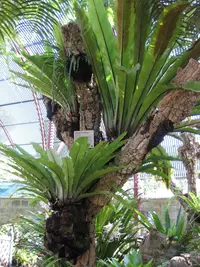
When repotting or top-dressing, keep soil, bark, and fertilizer away from the central rosette so the crown stays open and dry enough to resist rot and fungal problems.

Use Stable Placement

Position the pot in a heavy cachepot or on a wide, stable stand, as mature fronds become long and can tip lightweight containers or crack if the plant is knocked.

Gentle Cleaning Routine

Rinse fronds with lukewarm water in the sink or shower every 4–6 weeks to remove dust and improve photosynthesis, avoiding any rubbing or chemicals on the delicate leaf surface.

Quarantine And Inspect

When caring for Bird's nest fern indoors, keep new plants in a separate area for 2–3 weeks and inspect the frond undersides regularly so scale and mealybugs are detected before they spread.

Common Pests and Diseases

Scale insects

These insects attach firmly to fronds and midribs, sucking sap and causing yellowing, stunting, and sticky honeydew that can lead to sooty mould on the fronds.

Solution

Remove light infestations by gently wiping fronds with a damp cloth or soft brush and mild insecticidal soap, taking care not to damage the frond surface. For heavier infestations, repeat soap or horticultural oil treatments every 7–10 days and improve air movement around the plant to discourage reinfestation while following fern-safe product labels.

Fern aphids

This pest feeds on young frond curls and tender midribs, causing distortion, pale patches, and sticky honeydew that may attract ants.

Solution

Rinse colonies off under a gentle stream of lukewarm water and prune heavily distorted fronds if needed. If aphids return, apply a dilute insecticidal soap or neem-based spray labeled as safe for ferns, focusing on the undersides and unfurling fronds, and repeat at 5–7 day intervals until the population drops.

Rhizoctonia leaf blight

This disease produces brown, water-soaked lesions that often start near the frond base or in the nest center, merging into irregular necrotic areas under overly wet, crowded conditions.

Solution

Remove and discard affected fronds, then allow the nest center to dry slightly by reducing overhead watering and splashing. Increase spacing and airflow, water at the root zone rather than over the crown, and in severe or persistent cases use a fern-safe fungicide containing thiophanate-methyl or similar active ingredient according to label directions.

Bacterial leaf spot

Symptoms include small, dark, water-soaked spots with yellow halos on fronds, often spreading in warm, humid conditions with frequent overhead misting or poor air movement.

Solution

Promptly trim off spotted fronds and avoid wetting the foliage or filling the central rosette when watering. Improve ventilation, reduce crowding, and disinfect tools; copper-based bactericides can be used cautiously on test fronds first, as part of careful Bird's nest fern care instructions.

Mealybugs

These insects appear as white cottony clusters in the frond bases and on the undersides of leaves, causing slow decline, yellowing, and sticky residue.

Solution

Isolate the plant and dab visible mealybugs with cotton swabs dipped in isopropyl alcohol, then rinse the plant gently to remove residues. Follow up with repeated applications of insecticidal soap or a light horticultural oil targeted into the frond bases every 7–10 days until no new insects appear, and monitor any nearby plants for spread.

Interesting Facts

Nest-like frond funnel

The rosette of strap-shaped fronds forms a deep central funnel that traps falling leaves and organic debris, which then decompose and supply extra nutrients to the plant in its rainforest habitat.

Epiphytic tree dweller

In the wild, this fern often grows epiphytically on tree trunks and branches, anchoring in bark crevices rather than soil, yet it is not parasitic and relies only on intercepted water and debris.

Sun-tolerant for a fern

Population studies in Australia show that it naturally occupies relatively exposed rainforest edges and canopy gaps, tolerating higher light than many other bird’s nest–type ferns, as long as humidity remains high.

Botan icon

Did you know?

On large rainforest trees, mature plants can form impressive clumps more than 1 m across, creating miniature canopy gardens where other small plants, mosses, and invertebrates live within the accumulated humus held by the fern’s rosette.

FAQs about Bird's nest fern

Brown tips or edges usually come from low humidity, inconsistent watering, or exposure to hot or cold drafts. Excess fertilizer and tap water high in salts can also cause browning. Trim damaged parts and correct the underlying conditions.

Grow Healthy Plants with Botan Care

Keep your plants happy and healthy with plant identification, disease detection, and easy care guidance.

Botan plant care app — identify plants on mobile

Explore More Plants