Mounting technique
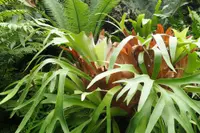
Mount the plant on cork bark or hardwood with a thin layer of sphagnum moss around the roots to improve air circulation and reduce the risk of root rot compared with dense pots.

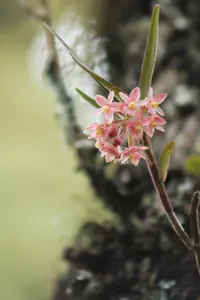
Epidendrum oxysepalum is an epiphytic orchid, usually found growing on trees rather than in soil. It forms upright canes with narrow leaves and elegant, often fragrant flowers held in loose clusters. In nature, it occurs in humid, warm forests of Central and South America, where light is bright but filtered by the canopy. This background helps explain how to care for Epidendrum oxysepalum in home conditions. The species prefers steady moisture around its roots, good air movement, and a very free-draining, orchid-style substrate, which together make it moderate in difficulty for indoor growers.

Care Difficulty
Moderate Care

Light Preference
Partial Shade

Water Requirements
Moderate Water

Temperature Preference
Tropical / Frost Sensitive

Hardiness Zone
Unknown

Soil Texture
Loamy, Organic-rich

Soil pH
Acidic (5.5–6.5)

Soil Drainage
Moist but well-drained

Fertilization
Light (every 4–6 weeks)
Scan your plant to receive care tips personalized for your specific plant
Available on iOS and Android
This orchid prefers bright, gentle light that mimics high, filtered forest canopy conditions.
This species prefers evenly moist but airy conditions around its roots rather than constant wetness.
This orchid performs best in mild to warm conditions with a slight drop at night.
This orchid prefers moderate to high humidity but tolerates brief drier spells if watered correctly.
Epidendrum oxysepalum benefits from a loose, airy, bark-based medium rather than dense potting soil.
This species is well suited to container culture using orchid pots or baskets.
Light, steady feeding supports healthy growth and flowering in Epidendrum oxysepalum.
Pruning focuses on keeping Epidendrum oxysepalum clean, compact, and flowering well.
Repotting maintains root health and stable support for Epidendrum oxysepalum in containers.
Propagation of Epidendrum oxysepalum is typically done vegetatively to preserve plant traits.
Winter care focuses on frost-free conditions and stable light for Epidendrum oxysepalum.

Plant Health Check
Not sure what's wrong with your plant? Check your plant's health inside the app.
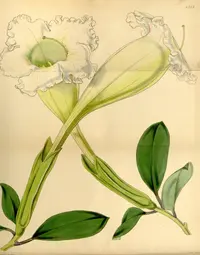
This species produces white, tube-shaped flowers that release a noticeable fragrance at night, an adaptation that likely helps attract nocturnal moth pollinators in its native habitats of Ecuador and Peru.
It typically grows as an epiphyte on trees in cool, moist montane forests at relatively high elevations in the Andes, where light is bright but filtered and temperatures are moderate year-round.
The name oxysepalum refers to its sharply pointed sepals, which form a slender floral tube and help distinguish it from many other members of the large and diverse genus Epidendrum.
Lack of blooms usually comes from insufficient light, too little fertilizer, or no distinct cool, slightly drier rest period. Old, exhausted canes also flower poorly. Check overall vigor, then adjust feeding, seasonal temperature drop, and light intensity.
Keep your plants happy and healthy with plant identification, disease detection, and easy care guidance.