Epidendrum difforme Care

Epidendrum difforme

About Epidendrum difforme

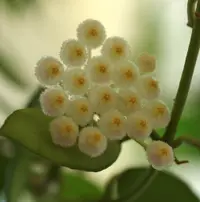
Epidendrum difforme is a small epiphytic orchid that naturally grows on trees in tropical forests of Central America, the Caribbean, and northern South America. It forms compact clumps with slender stems and narrow leaves, producing clusters of small, often greenish or pale flowers. These flowers are not showy compared with many orchids but appear reliably when the plant is kept in suitable conditions.

This species prefers bright, filtered light, regular moisture, and very free-draining orchid media. Its tolerance of variable humidity and temperature makes it relatively forgiving for growers who want to learn how to care for Epidendrum difforme.

Main Plant Requirements

Care Difficulty

Moderate Care

Light Preference

Partial Shade

Water Requirements

Moderate Water

Temperature Preference

Tropical / Frost Sensitive

Hardiness Zone

10–12

Soil Texture

Sandy, Rocky, Organic-rich

Soil pH

Acidic (5.5–6.5)

Soil Drainage

Well-drained

Fertilization

Light (every 4–6 weeks)

Get Personalized Care Plan

Scan your plant to receive care tips personalized for your specific plant

Available on iOS and Android

How to Care for the Epidendrum difforme

This epiphytic orchid prefers bright, filtered light that mimics high tree canopy conditions.

  • Provide 4–6 hours of bright, indirect light daily, such as dappled sun under shade cloth or a lightly filtered east exposure.
  • Tolerate early morning sun but protect from strong midday and afternoon sun, which can cause yellowing, scorch, and desiccation of leaves.
  • In summer, increase shade if light exceeds 6 hours of direct sun; in winter, allow a bit more direct light to compensate for shorter days when caring for Epidendrum difforme.

Water to keep roots lightly moist but never stagnant, allowing some drying between waterings.

  • Water when the top 2–3 cm of bark or mounting material feels almost dry, using thorough soakings rather than frequent splashes.
  • In warm, active growth, this orchid may need watering every few days; reduce frequency in cooler seasons while still preventing complete desiccation of roots.
  • Watch for shriveled, wrinkled leaves as a sign of underwatering, and soft, blackened roots or a sour smell as signs of overwatering and poor drainage.

This species grows best in intermediate to warm conditions with stable, moderate temperatures.

  • Aim for 65–80°F (18–27°C) for steady growth, with a gentle day–night drop of about 5–10°F (3–5°C) if possible.
  • Avoid temperatures below 50°F (10°C); short dips to 45°F (7°C) may be tolerated but increase risk of leaf damage and slowed growth.
  • Protect the plant from heat spikes above 90°F (32°C) by increasing shade and air movement, and never expose it to frost or freezing conditions.

This orchid prefers moderately high humidity to flower and grow well.

  • Aim for 50–70% humidity, as Epidendrum difforme comes from moist, tropical habitats.
  • It tolerates brief dips to 40% but prolonged dry indoor air causes brown leaf tips and shriveling pseudobulbs.
  • Increase humidity with a pebble tray under the pot, grouping plants, or a small room humidifier near but not blowing directly on the plant.

This species needs an airy, fast-draining orchid medium rather than regular potting soil.

  • Use a coarse mix of medium bark, chunky perlite, and a little sphagnum moss to balance aeration and moisture retention.
  • Ensure the mix drains within seconds after watering so roots receive high oxygen levels and do not stay waterlogged.
  • Aim for slightly acidic to neutral conditions around pH 5.5–7.0, which suits most epiphytic orchids including Epidendrum difforme.
  • Avoid dense peat-heavy or garden soil mixes that compact, limit air spaces, and quickly lead to root rot.

This species is well suited to container growing when the pot and medium are chosen for drainage and stability.

  • Select a slightly snug pot so the root mass fills it quickly, which helps the medium dry evenly between waterings.
  • Use a stable clay or ceramic pot if the plant becomes top-heavy, as extra weight reduces tipping in windy or exposed spots.
  • Elevate the container on pot feet or a wire stand so drainage holes stay clear and excess water can escape freely after watering.

This orchid benefits from modest, consistent feeding during active growth.

  • Use a balanced liquid orchid fertilizer (around 20-20-20) diluted to 1/4–1/2 strength for Epidendrum difforme.
  • Apply every 2–3 weeks in spring and summer when new roots and shoots are forming.
  • Reduce feeding to monthly or stop during fall and winter rest, especially in low light.
  • Flush the pot with plain water every 4–6 weeks to prevent salt buildup in the medium.

Pruning is light and mainly hygienic for this compact orchid.

  • In late winter or after flowering, remove dead, yellowed, or diseased leaves with sterilized scissors.
  • Cut spent flower spikes back to the base once they dry, unless new buds are forming on Epidendrum difforme.
  • Thin out badly crowded, weak canes during repotting to improve air flow and reduce fungal issues.
  • Always disinfect cutting tools before and after use to limit transmission of pathogens.

Repotting focuses on refreshing the orchid mix rather than giving a much larger pot.

  • Plan to repot every 2–3 years, or when roots circle the container and growth slows.
  • Best timing is just after flowering, as new roots on Epidendrum difforme begin to emerge.
  • Gently tease old mix from the roots, trimming only dead, mushy roots to limit stress.
  • Place the plant in fresh, airy orchid bark mix, keeping the root base at the same level and watering lightly until established.

Propagation is usually done by division of mature clumps rather than from seed.

  • Divide during spring, when new growths and roots are starting on Epidendrum difforme.
  • Lift the plant at repotting and separate clumps so each division has at least 3–4 healthy canes and active roots.
  • Plant divisions in fresh, well-drained orchid bark and keep humidity around 50–70% for recovery.
  • Provide bright, indirect light and gentle air movement to reduce rot while new roots establish.

This orchid is not frost hardy and needs protection in regions with cold winters.

  • Keep temperatures above 55°F; avoid any exposure to frost or freezing conditions for Epidendrum difforme.
  • Move container plants indoors or into a heated greenhouse before night temperatures drop below 50°F.
  • Reduce watering in winter, allowing the mix to dry slightly more between waterings, but do not let roots desiccate.
  • Provide bright, indirect light and good air circulation indoors to prevent fungal issues.

Care Tips

Mounting technique

Mount the plant on cork bark or tree fern with a thin pad of long-fiber sphagnum only around the roots, not over the stem, to provide fast drying while still giving secure anchorage.

Air movement management

Use a small oscillating fan on low near the plant to keep constant gentle air flow, which reduces fungal problems and helps fine roots dry predictably between waterings.

Root inspection routine

Every 6–12 months gently lift the plant from its pot or mount to check roots for firmness and light coloration, trimming only dead, mushy roots and leaving healthy, branching roots undisturbed.

Light acclimation steps

When increasing light, move the plant 15–30 cm closer to the source every 1–2 weeks and watch leaf color shift toward a slightly lighter green, stopping before any yellow patches or scorching appear.

Blooming cycle support

After flower spikes fade, cut only the spent inflorescences and keep conditions stable for several weeks, as this species often produces new growths from the base that set up the next flowering cycle when caring for Epidendrum difforme.

Common Pests and Diseases

Scale insects

These insects attach firmly to stems and leaf bases, sucking sap and weakening the plant, especially on tightly clustered pseudobulbs and sheaths.

Solution

Remove visible scale with a cotton swab dipped in isopropyl alcohol, then rinse the plant thoroughly and improve air movement; for persistent infestations, use a low-toxicity horticultural oil spray, applied carefully to all crevices while keeping the growing tip and roots under observation for stress.

Mealybugs

These insects hide in leaf axils and around flower stems, forming white cottony clusters that feed on plant sap and excrete sticky honeydew.

Solution

Isolate the plant, then dab mealybugs with isopropyl alcohol and wash affected areas with lukewarm water; repeat weekly and, if needed, apply an insecticidal soap solution to all hidden spots, ensuring the medium dries well afterward to avoid excess moisture around the roots.

Spider mites

These pests favor warm, dry indoor air and create fine webbing on the undersides of leaves, causing stippling, dull foliage, and gradual leaf loss.

Solution

Increase humidity, rinse foliage thoroughly under a gentle shower, and wipe leaves to remove mites and webbing; if symptoms persist, use an insecticidal soap or neem-based spray on leaf undersides and improve air circulation to prevent reinfestation as part of ongoing Epidendrum difforme care.

Bacterial brown spot

This disease causes water-soaked, translucent patches on leaves that quickly turn brown and sunken, often starting where water sits in leaf axils or sheaths.

Solution

Immediately remove and discard affected leaves with a sterile tool, keep water off foliage, and increase airflow; between waterings allow the surface of the medium to dry slightly, disinfect cutting tools with alcohol or a bleach solution, and avoid overhead misting in cool conditions.

Botrytis flower blight

This disease produces small brown or gray spots on flowers that enlarge rapidly in cool, humid, low-airflow conditions, leading to premature bud and blossom drop.

Solution

Cut off and discard spotted flowers and buds, then improve ventilation and reduce nighttime humidity around the flower spikes; avoid wetting blooms, space plants so flower sprays are not crowded, and if outbreaks recur, apply an orchid-safe fungicide according to label directions during cool, damp periods.

Interesting Facts

Unusually broad habitat

This species occurs naturally from southern Florida and the Caribbean through parts of Central and northern South America, inhabiting humid forests in both lowland and mid‑elevation zones. It can grow as an epiphyte on tree trunks and branches or sometimes as a lithophyte on rocks, showing notable ecological flexibility for an orchid.

Greenish nocturnal flowers

The small green to yellow‑green flowers typically open in loose clusters and are often more fragrant or active for pollinators at night or in low light. This coloration and timing are consistent with pollination by nocturnal insects that rely less on bright color and more on scent and shape.

Variable floral morphology

Plants classed under Epidendrum difforme show considerable variation in flower size, shape, and lip form across their wide range. This variability has led to taxonomic debate, with some populations historically described as separate species or varieties before being treated as part of a broader E. difforme complex.

FAQs about Epidendrum difforme

Lack of blooms usually comes from insufficient light, too little temperature drop at night, or heavy nitrogen fertilization. Provide bright, indirect light, a 10–15°F night drop, and balanced fertilizer to support flowering rather than leafy growth.

Grow Healthy Plants with Botan Care

Keep your plants happy and healthy with plant identification, disease detection, and easy care guidance.

Botan plant care app — identify plants on mobile

Explore More Plants