Mimic natural disturbance
Lightly rake or disturb the soil surface around the plants every 1–2 years to mimic natural grazing and soil movement, which can reduce thatch buildup and improve seed-to-soil contact for self-sowing.

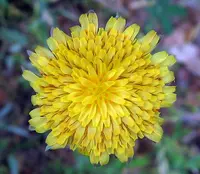
Bigflower agoseris (Agoseris grandiflora) is a perennial wildflower in the daisy family, known for its large yellow flower heads held on leafless stems. It forms a low rosette of narrow leaves, giving it a tidy, ground-hugging growth habit that suits naturalistic gardens and meadow-style plantings.
This species is native to western North America, where it grows in open grasslands, woodland clearings, and rocky slopes. It tends to be fairly undemanding once established, as long as the soil drains well and moisture is not excessive.
Gardeners who want to care for bigflower agoseris should note that it prefers full sun to light shade and conditions that are not overly rich or constantly wet.

Care Difficulty
Easy Care

Light Preference
Full Sun

Water Requirements
Low Water

Temperature Preference
Cold Hardy

Hardiness Zone
4–9

Soil Texture
Sandy, Loamy, Rocky

Soil pH
Slightly acidic (6.5–7.0), Neutral (7.0)

Soil Drainage
Well-drained

Fertilization
Minimal (feed rarely)
Scan your plant to receive care tips personalized for your specific plant
Available on iOS and Android
This sun-loving perennial from dry habitats performs best with strong, direct light.
This species is adapted to dry, well-drained soils and is sensitive to prolonged moisture.
This hardy wildflower tolerates a broad temperature range typical of many western North American climates.
This species is adapted to dry, open habitats and does not need elevated humidity.
This species prefers lean, well-drained, often sandy soils that do not stay wet.
This species can be grown in containers, but it performs best when the container mimics its naturally dry, open rooting conditions.
This native wildflower generally needs minimal feeding in typical garden soil, but light fertilization can support growth on poor sites.
Pruning needs for Agoseris grandiflora are modest and focus on cleanliness rather than reshaping the plant.
This taprooted perennial prefers staying in place, so transplanting should be done sparingly and with care.
Propagation of Agoseris grandiflora is most reliable from seed, as its taproot makes division difficult.
This species is generally cold hardy in its native range and needs little active winter care in the ground.

Plant Health Check
Not sure what's wrong with your plant? Check your plant's health inside the app.
This species produces large, bright yellow flower heads in spring that closely resemble a dandelion but arise from a basal rosette on usually leafless stalks, which is why it is often called bigflower agoseris or false dandelion.
It is native to western North America and is especially common on open, dry hillsides, meadows, and forest openings, where its deep taproot helps it survive summer drought.
After flowering, it forms a spherical seed head of many dry fruits (achenes) each topped by a feathery pappus, a parachute-like structure that allows seeds to travel long distances on the wind.

Indigenous peoples in parts of its range traditionally dug the stout taproots of this species as a minor food source, using techniques similar to those for harvesting other native root vegetables.
The species has a history of traditional use, with young leaves and roots sometimes eaten cooked or raw. Identification must be absolutely certain, and plants should come from clean, uncontaminated sites free of pesticides or roadside pollution.
Keep your plants happy and healthy with plant identification, disease detection, and easy care guidance.