Geranium Care (Geranium Rozanne)

Also known as: Cranesbill
Geranium

About Geranium

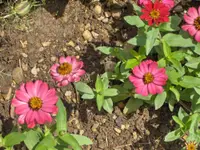
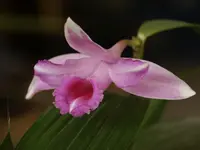
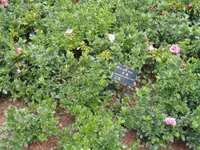
Geranium Rozanne is a hardy, herbaceous perennial known for its long flowering season and spreading, mounding habit. It forms loose clumps of divided green leaves topped with many saucer-shaped violet-blue flowers.

This cultivar was bred from species native to temperate regions of Europe and Asia, and it adapts well to many garden conditions. It is valued for reliable performance, strong vigor, and low maintenance needs.

Good light, moderate moisture, and well-drained soil generally support healthy growth. These traits make it easier for home gardeners learning how to care for Geranium in mixed borders or containers.

Main Plant Requirements

Care Difficulty

Easy Care

Light Preference

Full Sun

Water Requirements

Moderate Water

Temperature Preference

Cold Hardy

Hardiness Zone

5–8

Soil Texture

Sandy, Loamy, Organic-rich

Soil pH

Acidic (5.5–6.5), Slightly acidic (6.5–7.0)

Soil Drainage

Moist but well-drained

Fertilization

Light (every 4–6 weeks)

Get Personalized Care Plan

Scan your plant to receive care tips personalized for your specific plant

Available on iOS and Android

How to Care for the Geranium

This plant flowers best with plenty of direct sun but tolerates some shade in hot climates.

  • Provide 6–8 hours of sun daily, with at least 4–6 hours of direct morning or late-afternoon sun for strong flowering.
  • In hotter regions, give Geranium Rozanne light afternoon shade or filtered sun to reduce leaf scorch and stress during mid-day heat.
  • If stems stretch or bloom count drops, the plant likely needs more light; improve exposure gradually to avoid sudden sunburn.

This perennial prefers steady, moderate moisture in free-draining soil.

  • Water when the top 3–5 cm of soil feels dry, soaking the root zone and allowing excess to drain away completely.
  • Reduce frequency in cool, wet weather and during winter dormancy; increase slightly in very hot, dry periods while avoiding soggy soil.
  • Signs of overwatering include yellowing, soft stems, and blackened crown, while underwatering shows wilting, crisp edges, and slow recovery after rain.

This hardy perennial manages a wide temperature range but performs best in mild conditions.

  • Active growth and flowering are strongest around 60–75°F (16–24°C), with good performance in most temperate garden climates.
  • Established plants tolerate winter cold down to about 0°F (−18°C) with mulch, but foliage will die back after hard frost and regrow in spring.
  • In summer, plants handle short periods up to about 85–90°F (29–32°C) if soil stays slightly moist; prolonged extreme heat can reduce flowering.

This plant prefers average outdoor humidity and usually does not need special adjustment.

This plant grows best in loose, well-drained, moderately fertile soil.

  • Use a loamy soil enriched with 20–30% compost to provide both structure and sustained nutrients.
  • Ensure fast drainage by blending in coarse sand or fine grit, especially in heavier native soils.
  • Aim for slightly acidic to neutral pH around 6.0–7.0 for consistent growth and flowering.
  • Avoid compacted, waterlogged, or heavy clay soil, which restricts roots and increases rot risk for Geranium Rozanne.

This species is well suited to container growing outdoors.

  • Choose a wide, shallow-to-medium depth pot that allows roots to spread laterally rather than forcing deep growth.
  • Use a relatively heavy or weighted container to keep the spreading mound stable in wind or on balconies.
  • Select a potting mix that drains quickly yet does not shrink from the pot sides when dry, so water reaches the root zone evenly.

Balanced feeding supports long, continuous flowering in Geranium Rozanne without creating weak, lush growth.

  • Use a balanced, water-soluble fertilizer (around 10-10-10 or 20-20-20) at half strength every 4–6 weeks during spring–summer.
  • Apply a thin layer of compost around the root zone in spring to boost soil structure and nutrients.
  • For low-maintenance beds, a slow-release granular fertilizer in early spring usually covers the main growing season.
  • Stop feeding in late summer or early fall so growth can harden before winter dormancy.

Thoughtful pruning keeps Geranium Rozanne compact, flowering well, and free from spent or damaged growth.

  • In late winter or very early spring, cut back old, brown stems to just above new shoots using clean, sharp shears.
  • During bloom, shear or trim back faded flower stems and leggy growth to encourage fresh foliage and new buds.
  • Remove dead, diseased, or crowded stems whenever noticed to improve air flow and reduce fungal problems.
  • After a midsummer flush of flowers, lightly shape the plant to maintain a low, mounding habit.

This perennial is most often grown in garden beds, where lifting and dividing manage size better than frequent repotting.

  • Transplant or divide clumps in early spring or early fall when temperatures are mild and soil is workable.
  • Look for slow growth, thinning centers, or congested roots in containers as signs that more space is needed.
  • Lift the plant carefully, tease roots apart gently, and replant divisions at the same depth in fresh, well-drained soil.
  • Water thoroughly after transplanting, then keep soil lightly moist for 1–2 weeks to reduce transplant shock.

Propagation of Geranium Rozanne is generally done by division or stem cuttings to maintain the named cultivar’s traits.

  • Divide established clumps in early spring or early fall, ensuring each piece has healthy roots and several shoots.
  • Take 7–10 cm softwood or semi-ripe cuttings in late spring–summer and remove lower leaves.
  • Insert cuttings into a free-draining mix, keep at 65–75°F with bright, indirect light, and maintain even moisture.
  • Avoid seed propagation if true-to-type plants are required, as seedlings will not match the parent exactly.

This hardy perennial tolerates typical winter conditions in much of the US with only modest care needs.

  • In USDA zones around 5–8, roots usually survive freezing temperatures once plants are established.
  • After hard frost, cut back dead foliage to reduce disease carryover and tidy the clump.
  • Apply a 5–7 cm mulch layer around the crown to insulate roots, keeping mulch slightly away from stems.
  • Move container-grown plants into a sheltered, frost-free or minimally freezing spot to protect the root ball.

Care Tips

Edge Containment

Install a shallow plastic or metal edging strip 5–8 cm deep around beds to keep this vigorous spreader from rooting into lawns or nearby plantings while still allowing natural mounding growth.

Selective Stem Pegging

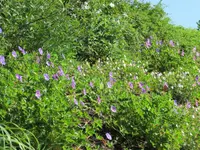
Gently peg down a few flexible outer stems with landscape staples so they root at the nodes and fill bare gaps, creating an even flowering carpet without overcrowding the plant center.

Summer Rejuvenation Shear

If flowering slows or foliage looks tired in mid to late summer, shear the plant back by about one-third, remove the clippings, and water well to encourage a fresh flush of dense growth and blooms.

Airflow Between Clumps

When planting multiple clumps, keep 30–40 cm spacing so air moves between plants, which reduces mildew risk and allows each clump to form a full dome of foliage and flowers.

Winter Crown Protection

In colder regions, apply a loose 3–5 cm layer of composted bark or leaf mold around but not directly on top of the crowns in late fall to protect buds from freeze–thaw cycles and support long-term Geranium Rozanne plant care.

Common Pests and Diseases

Powdery mildew

This disease shows as white, powdery patches on leaves, stems, and sometimes flower stalks, often in warm days and cool, humid nights. Symptoms include yellowing, distortion, and premature leaf drop if not managed.

Solution

Improve air circulation around clumps, avoid overhead watering, and thin crowded growth. Remove and discard heavily affected leaves and, if needed, use a sulfur or potassium bicarbonate fungicide labeled for ornamental perennials, applying according to Geranium Rozanne care instructions on the product label where stated.

Botrytis blight

This disease causes soft, water-soaked spots on leaves, stems, and flowers that develop gray, fuzzy mold, especially in cool, damp weather. Symptoms include collapsing shoots and rotting flower clusters at the base.

Solution

Cut off and discard all infected tissue promptly and keep plant debris off the soil surface. Improve drainage and airflow, avoid wetting foliage late in the day, and in persistent cases use a labeled ornamental fungicide during prolonged wet periods.

Vine weevils

These insects damage plants in both life stages: adults chew irregular notches from leaf edges, while larvae feed on roots and crown tissue, causing wilting and decline. This pest is more common in container-grown or shaded border plantings.

Solution

Hand-pick adult beetles at night using a flashlight and shake plants over a sheet to dislodge them. For larvae, use entomopathogenic nematodes (beneficial microscopic worms) mixed with water and applied to moist soil following label directions, and avoid long-term waterlogging that favors larval survival.

Aphids

These insects cluster on tender stems, buds, and the undersides of leaves, sucking sap and causing curling, distortion, and sticky honeydew deposits. This pest can also attract ants and promote sooty mold growth on the honeydew.

Solution

Spray plants with a strong stream of water to dislodge colonies, focusing on shoot tips and leaf undersides. For persistent infestations, apply insecticidal soap or a light horticultural oil, covering all surfaces and repeating as needed according to label instructions.

Leaf spot

This disease produces small brown, purple, or tan spots on leaves, sometimes with darker margins and a yellow halo, which can merge to cause larger dead areas. Symptoms include premature leaf drop in warm, wet conditions or dense plantings.

Solution

Remove and discard affected leaves and any fallen debris to reduce reinfection, and water at soil level instead of on foliage. Increase spacing or lightly thin clumps to improve airflow, and use a preventative fungicide labeled for foliar leaf spot on ornamentals if the problem recurs each season.

Interesting Facts

Exceptionally long flowering

This hybrid cranesbill can flower from late spring until the first hard frosts, often providing 5–6 months of near-continuous bloom under suitable conditions, which is unusually long for hardy geraniums.

Sterile yet floriferous

The plant is functionally sterile, so it produces very little seed; energy that would go into seed formation is instead diverted into producing more flowers, which explains its sustained and heavy blooming habit.

Hybrid from three parents

Geranium Rozanne originated as a naturally occurring hybrid involving Geranium himalayense and forms related to Geranium wallichianum, combining cold hardiness, large flowers, and a trailing growth habit in a single cultivar.

Botan icon

Did you know?

Geranium Rozanne received the Royal Horticultural Society’s Plant of the Centenary award at the Chelsea Flower Show in 2013, being selected from 100 previous Chelsea winners as one of the most garden-worthy introductions of the preceding century.

FAQs about Geranium

Poor flowering usually comes from low light, excess nitrogen fertilizer, or old, untrimmed stems. Remove spent flowers, lightly shear back straggly growth, and avoid high-nitrogen feeds. Consistent, moderate nutrition supports repeat blooming without forcing soft, flower-poor foliage.

Grow Healthy Plants with Botan Care

Keep your plants happy and healthy with plant identification, disease detection, and easy care guidance.

Botan plant care app — identify plants on mobile

Explore More Plants