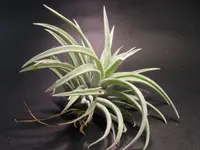
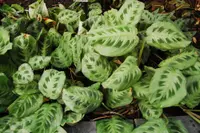
veined begonia Care (Begonia venosa)

veined begonia

About veined begonia

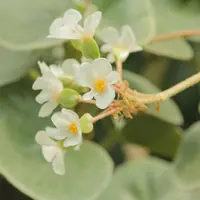
Begonia venosa, commonly called veined begonia, is a compact, shrubby perennial from rocky, dry habitats in Brazil. It is grown mainly for its striking foliage rather than flowers. The plant forms low, branching clumps with thick, pale green leaves covered in fine hairs and pronounced veins, giving it a silvery, textured look. This succulent-like foliage helps it tolerate brief dryness better than many other begonias. It suits bright indoor spaces or sheltered outdoor spots in mild climates, as long as it is protected from harsh, direct sun and cold. Understanding how to care for veined begonia starts with providing porous, well-drained soil and avoiding constantly wet conditions.

Main Plant Requirements

Care Difficulty

Moderate Care

Light Preference

Bright Indirect Light

Water Requirements

Moderate Water

Temperature Preference

Tropical / Frost Sensitive

Hardiness Zone

10–11

Soil Texture

Sandy, Loamy, Organic-rich

Soil pH

Acidic (5.5–6.5), Slightly acidic (6.5–7.0)

Soil Drainage

Moist but well-drained

Fertilization

Light (every 4–6 weeks)

Get Personalized Care Plan

Scan your plant to receive care tips personalized for your specific plant

Available on iOS and Android

How to Care for the veined begonia

This species prefers bright, indirect light with brief gentle direct sun in the cooler hours of the day.

  • Provide 3–5 hours of soft morning sun or bright filtered light; avoid harsh midday and afternoon sun that can scorch the silver veins of veined begonia.
  • Grow in a position with dappled shade or light shade for the rest of the day; dense shade leads to stretched, weak growth and fewer flowers.
  • In summer, move plants slightly deeper into shade; in winter, shift closer to windows or brighter exposures to compensate for shorter days.

This species favors evenly moist but airy soil that dries slightly between waterings.

  • Water when the top 2–3 cm of soil feels dry, then water thoroughly so excess drains away; do not leave pots standing in water to avoid root rot.
  • Reduce watering in cooler months, allowing the top 3–4 cm to dry; during active growth and flowering, dry only the top 2 cm before watering Begonia venosa again.
  • Watch foliage: yellowing, soft leaves often indicate overwatering, while crisp edges and drooping, light pot weight suggest underwatering or prolonged dryness.

This dryland begonia prefers warm, stable temperatures without frost or extreme heat.

  • Aim for 65–80°F (18–27°C) during active growth; brief swings outside this range are tolerated if the soil is well drained and the roots are not waterlogged.
  • Protect from cold: growth slows below 55°F (13°C) and tissue damage occurs near 40°F (4°C); avoid any frost, especially for container plants left outdoors.
  • In hot spells above 85°F (29°C), increase airflow, provide light shade, and water in the cooler part of the day so roots stay slightly moist but not saturated.

This species prefers moderately humid air but copes with typical indoor levels if kept away from extremes.

  • Aim for 40–60% humidity; brief dips lower are tolerated if watering remains consistent.
  • Dry air stress shows as crisp leaf edges, curling, and slower growth, especially on veined begonia.
  • Increase humidity by grouping plants, placing pots on a pebble tray with water below the pot base, or running a small humidifier nearby.

Begonia venosa grows best in a loose, fast-draining mix that stays slightly moist but never waterlogged.

  • Use a mix of roughly 40% peat or coco coir, 40% perlite or pumice, and 20% fine bark for aerated, airy structure.
  • Target slightly acidic to neutral pH around 6.0–7.0, avoiding strongly alkaline mixes that can lock up nutrients.
  • Ensure excess water drains within seconds through the pot; if water lingers, increase perlite or pumice to improve drainage.
  • Avoid heavy garden soil, compacted potting mix, or containers without drainage, which promote root rot and stem base decay.

This species is well-suited to container growing due to its compact, shrubby habit and surface-rooted system.

  • Choose a wide, shallow pot that matches its shallow roots, which helps prevent deep, soggy zones at the bottom.
  • Use a stable, heavier container material if plants become top-heavy so the pot does not tip when leaves hold water.
  • Leave a small dry gap at the pot rim so overhead watering does not overflow and saturate nearby surfaces or plant crowns.

This species benefits from light, consistent feeding during the warm growing season.

  • Use a balanced liquid fertilizer (for example 10-10-10 or 20-20-20) diluted to 1/4–1/2 strength for veined begonia in active growth.
  • Apply every 4–6 weeks in spring and summer to support foliage and root development without causing salt buildup.
  • Skip fertilizer in late fall and winter when growth slows, especially for indoor plants under low light.
  • Flush the pot with plain water every 2–3 months to reduce accumulated fertilizer salts and prevent root tip burn.

Begonia venosa benefits from light, targeted pruning to maintain a compact, healthy shape.

  • Carry out main pruning in late winter or early spring before strong new growth starts.
  • Remove dead, damaged, or diseased stems using clean, sharp scissors or hand pruners to limit infection risks.
  • Thin out weak or crowded shoots at the base to improve air circulation and reduce fungal problems.
  • Pinch or tip back leggy stems above a leaf node to encourage branching and a denser canopy.

This species prefers infrequent but careful repotting to avoid disturbing its root system.

  • Repot every 2–3 years in spring when roots circle the pot, emerge from drainage holes, or growth becomes noticeably slower.
  • Choose a container only 2–3 cm wider with excellent drainage and a gritty, well-aerated mix suited to succulent-type begonias.
  • Slide the root ball out gently, loosen only the outer circling roots, and avoid breaking thick, brittle roots to reduce stress.
  • Water lightly after repotting, keep in bright but indirect light for 7–10 days, and resume normal watering once new growth appears.

This plant is most often propagated from stem cuttings taken during its active growing period.

  • Take 7–10 cm semi-firm stem cuttings in late spring or early summer, each with at least 2–3 leaves.
  • Allow cut ends to dry for several hours, then place in a fast-draining, slightly moist mix under bright, indirect light.
  • Maintain 70–75°F, moderate humidity, and good air movement to reduce rot while encouraging root formation.
  • Division of established clumps is possible in spring but should be done carefully to avoid damaging thick storage roots.

This species is frost sensitive and requires protective winter care in most temperate climates.

  • Keep temperatures above 50°F; sustained exposure near freezing can damage foliage and storage roots.
  • Move container plants indoors or into a bright, cool greenhouse before night temperatures drop close to 50°F.
  • Reduce watering in winter, allowing the top layer of the mix to dry more deeply to prevent root rot in low light.

Care Tips

Rotate For Symmetry

Turn the pot 90° every 1–2 weeks so the plant receives light from different directions and develops an even, compact dome instead of leaning or stretching to one side.

Use Inert Topdressing

Apply a 0.5–1 cm layer of fine pumice or small gravel on the soil surface to keep hairy leaves clean from splash, reduce algae growth, and discourage fungus gnat larvae.

Bottom-Flush The Pot

Every 2–3 months, stand the pot in a basin of clean, room-temperature water until the root ball is fully moist, then let it drain thoroughly to dissolve and remove built-up fertilizer salts without wetting the foliage.

Provide Gentle Airflow

Place a small fan on a low setting nearby, not blowing directly on the leaves, to keep the leaf surface dry and reduce the risk of botrytis and other fungal spots when growing veined begonia.

Inspect Leaf Undersides

Check the pale, felted undersides of leaves every 1–2 weeks with a hand lens if possible, so early signs of mites or thrips are detected and treated before colonies damage new growth.

Common Pests and Diseases

Powdery mildew

This disease shows as white, powder-like patches on leaves and stems, often starting on older foliage in still, humid air. Symptoms include dull, distorted leaves and reduced vigor if the infection is allowed to spread.

Solution

Increase air movement around the plant, avoid wetting foliage, and remove heavily infected leaves. Treat remaining foliage with a sulfur-based fungicide or potassium bicarbonate spray labeled for ornamental plants, repeating as directed until new growth appears clean.

Botrytis blight

This disease produces gray, fuzzy mold on leaves, stems, and occasionally flowers, especially under cool, damp conditions with poor airflow. Symptoms include water-soaked spots that quickly collapse and develop soft, rotting tissue.

Solution

Immediately remove and discard all affected tissue and any fallen plant debris, then improve air circulation and reduce overhead watering. In persistent cases, apply a labeled ornamental fungicide targeting Botrytis and ensure the plant dries quickly after each watering.

Bacterial leaf spot

This disease causes small, water-soaked spots on leaves that turn brown or black and may be surrounded by a yellow halo. Symptoms include leaves that look scorched or tattered as spots merge, especially when foliage stays wet for long periods.

Solution

Remove and discard affected leaves, avoid splashing water onto foliage, and keep the plant in a space with good airflow. If the problem recurs, reduce humidity around the plant, sanitize tools regularly, and consider replacing severely affected specimens to prevent spread to other begonias.

Mealybugs

These insects appear as white, cottony clusters in leaf axils, along stems, and sometimes on roots, feeding on plant sap. This pest weakens growth, causes leaf yellowing, and often produces sticky honeydew that can attract sooty mold.

Solution

Isolate the plant, then dab visible insects with cotton swabs dipped in 70% isopropyl alcohol and rinse the foliage gently after treatment. For larger infestations, apply an insecticidal soap or horticultural oil thoroughly to leaf undersides and stem joints, repeating every 7–10 days until no new mealybugs appear.

Spider mites

These pests are tiny and hard to see, but symptoms include stippled, pale leaves and very fine webbing between leaves and stems, especially in warm, dry conditions. This pest can cause leaf drop and a generally dull appearance if not controlled.

Solution

Rinse the plant under a gentle stream of lukewarm water, focusing on leaf undersides, then increase humidity slightly while maintaining airflow as part of Begonia venosa care. Use insecticidal soap or a miticide labeled for ornamental plants, applied thoroughly and repeated several times to target successive mite generations.

Interesting Facts

Native rocky outcrops

This species is native to rocky, seasonally dry habitats in southeastern Brazil, where it often grows on exposed, mineral-poor substrates rather than rich forest soil.

Distinctive white felt

The leaves develop a dense, white, velvety covering of hairs that reduces water loss, reflects intense sunlight, and gives the plant its characteristic silvery appearance.

Compact, shrubby habit

Unlike many begonias with soft, trailing stems, this species forms a more compact, woody-based subshrub with thickened stems adapted to withstand periods of dryness.

Botan icon

Did you know?

In its native range, this species is considered relatively rare in the wild and is valued in specialized collections for its combination of drought-tolerant traits and distinctive white-felted foliage, which is unusual among commonly cultivated begonias.

FAQs about veined begonia

Brown leaf edges usually come from low humidity, underwatering, or fertilizer burn. Large brown patches or mushy areas suggest rot from excess moisture and poor air movement. Remove damaged leaves and correct the underlying moisture or humidity problem.

Grow Healthy Plants with Botan Care

Keep your plants happy and healthy with plant identification, disease detection, and easy care guidance.

Botan plant care app — identify plants on mobile

Explore More Plants