


Rotate For Symmetry
Turn the pot 90° every 1–2 weeks during active growth so the largest leaves do not all lean in one direction and the plant maintains a balanced, upright form.

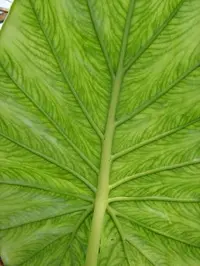
Elephant's ear (Alocasia 'Calidora') is a tropical aroid grown for its large, upright, heart-shaped leaves that create a bold, architectural look. It forms a clumping habit from a thick underground stem and can reach substantial size in favorable conditions.
This plant traces its origins to humid tropical regions of Southeast Asia, where it grows in warm, bright, sheltered sites. Its lush foliage and strong growth make it striking, but its need for steady warmth, moisture, and humidity can challenge beginners.
Those who learn how to care for Elephant's Ear find it rewarding as a focal plant indoors or on shaded patios. It prefers bright, filtered light, evenly moist but not waterlogged soil, and protection from cold drafts.

Care Difficulty
Moderate Care

Light Preference
Bright Indirect Light

Water Requirements
Keep Soil Moist

Temperature Preference
Tropical / Frost Sensitive

Hardiness Zone
9–11

Soil Texture
Loamy, Peaty, Organic-rich

Soil pH
Acidic (5.5–6.5), Slightly acidic (6.5–7.0)

Soil Drainage
Moist but well-drained

Fertilization
Moderate (every 2–4 weeks)
Scan your plant to receive care tips personalized for your specific plant
Available on iOS and Android
Alocasia 'Calidora' prefers bright, indirect light that mimics the dappled sun of tropical understory habitats.
Alocasia 'Calidora' needs evenly moist but never waterlogged soil to support its large leaves and fast growth.
This plant grows best in warm, stable temperatures with no exposure to frost.
This plant needs consistently high humidity to keep its large leaves healthy.
Alocasia 'Calidora' grows best in a loose, airy, organic-rich mix that drains quickly but stays slightly moist.
This species is well suited to containers when the pot is chosen to support its large, top-heavy growth.
Alocasia 'Calidora' responds well to consistent, light feeding during its active growing season.
Pruning Alocasia 'Calidora' focuses on hygiene and maintaining a tidy, healthy clump.
Container-grown plants benefit from occasional repotting to support strong leaf and root development.
Division of the underground rhizomes is the most practical way to expand a collection of this plant.
This tropical plant is frost sensitive and needs thoughtful winter care in most climates.

Plant Health Check
Not sure what's wrong with your plant? Check your plant's health inside the app.
This cultivar is a selected hybrid of large elephant ear types, bred for upright, thick petioles and tall, architectural foliage rather than the drooping leaves seen in many other Alocasia forms.
Mature plants can produce single leaves over 1 m long in suitable outdoor conditions, with pronounced primary veins that efficiently support the thin leaf blade and optimize light capture in bright but filtered light.
In frost-free or mild climates, this plant is often grown as a structural focal point in tropical-style gardens, where its consistent, symmetrical clump shape and repeated flushes of new leaves give a strong vertical accent through the warm season.

This cultivar is valued by breeders and collectors because it typically maintains a relatively stable, non-variegated green foliage form, making its size and shape more predictable in landscape designs compared with many newer, more variable Alocasia hybrids.
Brown, crispy edges usually come from low humidity, underwatering, or fertilizer burn. Check soil moisture, flush excess fertilizer with plain water, and increase humidity with a tray of water and pebbles or a room humidifier.
Keep your plants happy and healthy with plant identification, disease detection, and easy care guidance.


Macaw palm
Acrocomia aculeata
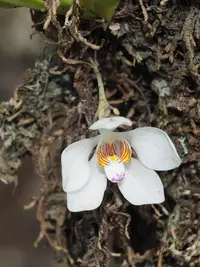
Orange blossom orchid
Sarcochilus falcatus
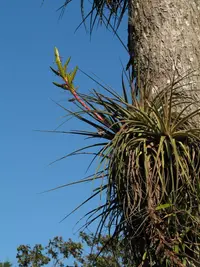
Tillandsia rodrigueziana
Tillandsia rodrigueziana
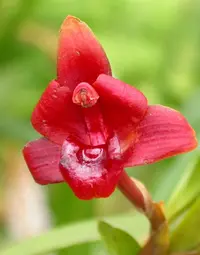
Flame Orchid
Maxillaria coccinea
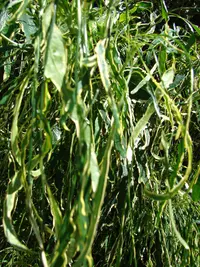
Polyscias filicifolia
Polyscias filicifolia
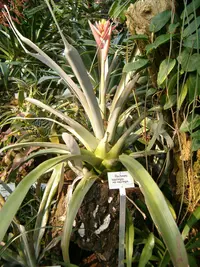
Aechmea aquilega
Aechmea aquilega
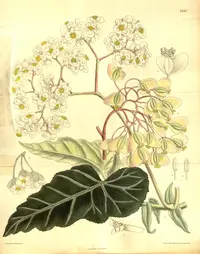
Begonia angularis
Begonia angularis

Blushing Philodendron
Philodendron erubescens 'Golden Erubescens'