Uncarina roeoesliana Care

Uncarina roeoesliana

About Uncarina roeoesliana

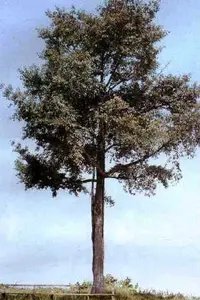
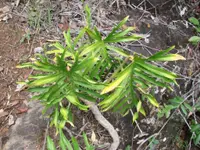
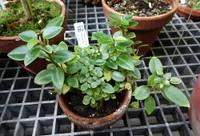
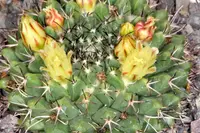
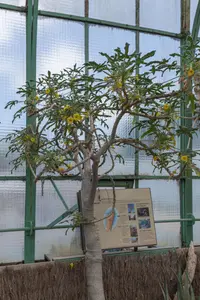
Uncarina roeoesliana is a small caudiciform shrub, valued for its swollen, bottle-like base that stores water and supports sparse, branching stems. The foliage is typically soft, green, and lobed, creating a delicate contrast with its thick trunk.

This species is native to arid regions of Madagascar, where it experiences strong light, poor rocky soils, and seasonal drought. Its drought tolerance and slow growth make it suitable for container culture and succulent collections, though it dislikes prolonged cold and excess moisture.

Those learning how to care for Uncarina roeoesliana should note its preference for bright light, very free-draining soil, and careful watering, especially during cooler months.

Main Plant Requirements

Care Difficulty

Moderate Care

Light Preference

Full Sun

Water Requirements

Low Water

Temperature Preference

Tropical / Frost Sensitive

Hardiness Zone

10–11

Soil Texture

Sandy, Loamy, Rocky

Soil pH

Slightly acidic (6.5–7.0), Neutral (7.0)

Soil Drainage

Well-drained

Fertilization

Minimal (feed rarely)

Get Personalized Care Plan

Scan your plant to receive care tips personalized for your specific plant

Available on iOS and Android

How to Care for the Uncarina roeoesliana

This sun-loving succulent shrub needs bright, strong light to form a compact caudex and to flower well.

  • Provide 6–8 hours of sun daily, with direct morning sun and bright, filtered light or light shade in the afternoon to limit leaf scorch.
  • In very hot, dry climates, protect Uncarina roeoesliana from harsh sun between 11 a.m. and 3 p.m. using shade cloth or a bright patio spot.
  • Outdoors, move it to a slightly brighter position in spring, and reduce intensity a bit in peak summer while avoiding deep shade that causes leggy growth.

This caudiciform stores water and prefers thorough but infrequent watering in fast-draining soil.

  • During active growth, water only when the top 3–5 cm of soil are completely dry, then soak the root zone and let excess drain away fully.
  • Use a very gritty, cactus-type mix so water runs through quickly and the caudex never sits in soggy soil, which leads to root rot and splitting.
  • In cool seasons or when leaves drop, reduce to light sips every few weeks, watching for slight leaf wrinkling as a cue it is time to water again.

This species prefers warm, dry conditions and reacts poorly to cold and frost.

  • Aim for 70–85°F (21–29°C) in the growing season, which supports steady stem and leaf development without stress.
  • Protect from temperatures below 50°F (10°C); prolonged exposure near 40°F (4°C) or any frost can damage tissue and cause rot in the caudex.
  • In hot spells above 95°F (35°C), provide extra airflow and some afternoon shade, and avoid cold drafts or rapid temperature swings, especially at night.

This species prefers relatively dry air and usually does well in typical indoor humidity.

  • Aim for 30–50% humidity, similar to many arid-climate succulents.
  • Dry indoor air is tolerated; problems arise more from overwatering than from low humidity.
  • Watch for soft, pale, or mushy leaves as stress signs, and improve air movement rather than adding misting.

This caudiciform shrub needs very fast-draining, mineral-rich soil to prevent root and caudex rot.

  • Use a gritty, sandy mix with large pores, such as 50–70% mineral components (pumice, coarse perlite, gravel) plus 30–50% lean cactus substrate.
  • Ensure sharp drainage; water must pass through the pot within seconds rather than pooling on the surface.
  • Target a slightly acidic to neutral pH around 6.0–7.0, avoiding heavy peat-based mixes that stay wet for long periods.
  • Improve aeration by adding coarse particles (5–10 mm) and avoid fine composts, clay, or unwashed sand that compacts and suffocates roots.

This species is well suited to container growing due to its compact, swollen caudex and controlled water needs.

  • Choose a wide, shallow pot to allow lateral root spread while keeping the caudex slightly raised above the substrate line.
  • Use a heavy clay or ceramic container to stabilize the plant’s top growth and prevent tipping in wind or accidental bumps.
  • Leave a small dry gap between the caudex surface and the pot rim so water does not collect around the neck after watering.

Light feeding supports growth, but this caudiciform shrub is sensitive to excess nutrients.

  • During active growth in spring–summer, use a balanced liquid fertilizer (around 10-10-10 or 20-20-20) diluted to 25–50% strength every 4–6 weeks.
  • Alternatively, apply a low-dose slow-release fertilizer at the start of the growing season instead of frequent liquids.
  • Skip feeding in fall–winter when Uncarina roeoesliana is dormant, keeping the soil mostly dry.
  • Avoid high-nitrogen products and never fertilize into dry soil; water lightly first to limit root burn.

Pruning is mainly used to maintain structure and remove weak growth on this small succulent shrub.

  • Carry out light pruning in late winter or very early spring, before strong new growth starts.
  • Remove dead, damaged, rubbing, or very crowded stems using clean, sharp bypass pruners.
  • Shorten excessively long shoots to shape the canopy and encourage branching and denser foliage.
  • Avoid heavy cuts into the thick caudex; focus on thin, young branches to preserve plant health.

Container-grown plants appreciate occasional repotting to refresh the soil and manage the caudex.

  • Check for roots circling the pot, escaping drainage holes, or unexplained slow growth as signs repotting is needed every 3–4 years.
  • Repot in late spring, just as consistent warmth arrives, to support recovery and new root growth.
  • Choose a pot only 2–5 cm wider, with excellent drainage, and use a gritty, cactus-style mix to prevent waterlogging.
  • Gently tease outer roots, keep the caudex slightly above the soil line, water lightly once, then let the mix dry partially to limit stress.

Uncarina roeoesliana is typically propagated by seeds or semi-ripe cuttings under warm, bright conditions.

  • Sow fresh seeds in late spring in a fast-draining mix, barely covered, at 75–85°F with consistent but light moisture.
  • Provide bright, indirect light and good air movement to reduce damping-off in seedlings.
  • Take semi-ripe stem cuttings in late spring–summer, allow cut ends to callus, then place in a very gritty, barely moist medium.
  • Use bottom heat if possible and avoid overwatering cuttings, as excess moisture delays rooting and promotes rot.

This species is frost-sensitive and needs careful management in regions with cool winters.

  • Keep temperatures above 45–50°F; prolonged exposure to colder conditions can damage the caudex and roots.
  • In cold climates, move containers indoors to a bright, cool, dry area before night temperatures drop near 45°F.
  • Reduce watering sharply in winter, keeping the mix almost dry while the plant is leafless and dormant.
  • In very mild outdoor climates, use a gravel mulch around the root zone to improve drainage and moderate temperature swings.

Care Tips

Caudex height control

Repot slightly higher every 2–3 years so the swollen base gradually sits above the soil line, but always keep the root flare covered to prevent desiccation and instability.

Seasonal rest handling

When leaves yellow and drop in late fall, stop fertilizing, cut watering back to light sips, and move the pot somewhere cool and bright to respect its dry dormancy and prevent root loss.

Targeted branch training

While stems are still flexible in spring, use soft garden ties to gently spread and angle branches outward, encouraging a broader crown and better light penetration into the canopy.

Root pruning strategy

During repotting, trim only circling feeder roots and never cut into the thick caudex roots, then allow the plant to dry for 2–3 days before watering to reduce infection risk.

Preventing sticky pests

Inspect the undersides of leaves and young shoots every 2–3 weeks for early mealybug or scale activity, and remove small colonies promptly with cotton swabs dipped in isopropyl alcohol as part of caring for Uncarina roeoesliana.

Common Pests and Diseases

Spider mites

This pest thrives in warm, dry indoor air and can form fine webbing on leaves and stems while sucking plant sap. Symptoms include tiny pale stippling on leaves, dull foliage, and eventual leaf drop if populations are high.

Solution

Rinse the plant thoroughly with a strong but controlled stream of lukewarm water, including the underside of leaves, then allow it to dry in bright, indirect light. For ongoing control, increase humidity around the plant, isolate it from others, and apply a neem oil or insecticidal soap spray every 5–7 days until no new damage appears.

Mealybugs

These insects hide in leaf axils, along the caudex, and around spines, forming white cottony clusters that feed on sap and excrete sticky honeydew. This pest weakens growth and can lead to sooty mold on the leaf surface.

Solution

Remove visible clusters with a cotton swab dipped in 70% isopropyl alcohol, targeting leaf joints and crevices along the swollen stem. Follow up with insecticidal soap or neem oil applications every 7–10 days, and keep the plant slightly drier and in bright light, as part of broader Uncarina roeoesliana care instructions to discourage reinfestation.

Scale insects

These insects appear as small, hard, brown or tan bumps on stems and the caudex, remaining fixed in place while feeding on sap. Symptoms include yellowing leaves, poor growth, and sticky residue on nearby surfaces.

Solution

Gently scrape or rub off individual scales with a soft cloth or fingernail, then wipe stems with a cloth lightly moistened with diluted alcohol. After mechanical removal, use a systemic insecticide labeled for ornamental succulents or repeat oil-based sprays according to label directions to control any remaining crawlers.

Fungal leaf spots

This disease causes small, dark, often circular spots on leaves that may enlarge and sometimes develop a yellow halo, especially in humid or poorly ventilated conditions. Symptoms include premature leaf yellowing and shedding on lower or crowded foliage.

Solution

Remove and discard affected leaves, then improve air circulation and avoid wetting the foliage when watering. If spotting continues, apply a copper-based or broad-spectrum fungicide suitable for ornamentals, following label directions, and keep the plant in a bright, airy spot with moderate watering.

Interesting Facts

Succulent caudex trunk

This species forms a swollen caudex, a water-storing trunk-like base that allows it to survive long dry periods in its native arid habitats of northern Madagascar.

Velvety, sticky foliage

Its heart-shaped leaves are densely covered with fine hairs, and the plant produces barbed, sticky fruits whose hooks can cling to passing animals, helping disperse seeds.

Showy yellow blooms

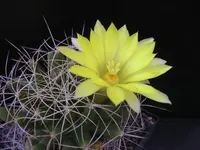
It produces bright yellow, trumpet-shaped flowers with a darker throat, which are adapted to attract pollinating insects in open, sun-exposed habitats.

Botan icon

Did you know?

Uncarina roeoesliana is endemic to a limited region of northern Madagascar, meaning it occurs naturally only there and nowhere else in the wild, making its conservation status closely tied to the preservation of that specific dry forest and scrub ecosystem.

FAQs about Uncarina roeoesliana

This species performs best outdoors in warm, dry climates where it receives strong light and good air movement. In cooler regions it can be kept in a bright, protected container and moved indoors only for winter protection.

Grow Healthy Plants with Botan Care

Keep your plants happy and healthy with plant identification, disease detection, and easy care guidance.

Botan plant care app — identify plants on mobile

Explore More Plants