Mammillaria karwinskiana Care

Mammillaria karwinskiana

About Mammillaria karwinskiana

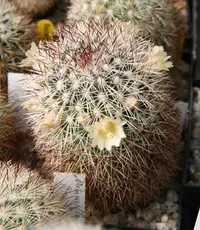
Mammillaria karwinskiana is a small, clustering cactus known for its rounded stems densely covered in white, hair-like spines and tiny hooked central spines. Mature plants often form attractive, low mounds that can slowly expand over time.

It is native to central Mexico, where it grows in rocky, well-drained habitats with strong light and low rainfall. In cultivation, it is considered a relatively easy species for those who learn how to care for Mammillaria karwinskiana.

This cactus prefers bright light, lean gritty soil, and careful watering that allows the roots to dry between waterings, which helps prevent rot and keeps growth compact and healthy.

Main Plant Requirements

Care Difficulty

Easy Care

Light Preference

Full Sun

Water Requirements

Low Water

Temperature Preference

Warm Climate

Hardiness Zone

9–11

Soil Texture

Sandy, Rocky, Loamy

Soil pH

Slightly acidic (6.5–7.0), Neutral (7.0)

Soil Drainage

Well-drained

Fertilization

Minimal (feed rarely)

Get Personalized Care Plan

Scan your plant to receive care tips personalized for your specific plant

Available on iOS and Android

How to Care for the Mammillaria karwinskiana

This desert cactus needs bright, mostly direct sun to stay compact and bloom well.

  • Provide 4–6 hours of direct morning sun plus bright light the rest of the day; in very hot regions, give light afternoon shade to prevent scorching.
  • Outdoors, place Mammillaria karwinskiana where it gets east or southeast exposure; indoors, use the brightest south- or west-facing window with minimal obstructions.
  • Watch color and growth: pale, stretched stems indicate too little light, while bleached yellow patches or crisped tips signal sunburn and need for some filtering.

This species prefers infrequent, deep watering with thorough drying between soakings.

  • Water only when the top 3–5 cm of soil are completely dry; in active growth this may be every 10–21 days depending on heat, pot size, and airflow.
  • Use sharply draining, gritty soil and a pot with drainage holes so excess water runs out quickly, reducing the risk of root rot and stem softening.
  • In winter rest, give just a light drink every 4–6 weeks, or not at all if kept cool; wrinkles and slight softening suggest underwatering, while blackened base tissue indicates overwatering.

This cactus prefers warm, dry air and can handle notable temperature swings when kept frost free.

  • Aim for 70–85°F (21–29°C) in active growth, with good airflow; short peaks up to 95°F (35°C) are tolerated if soil is dry and the plant is shaded from harsh afternoon sun.
  • In winter, cooler conditions around 45–55°F (7–13°C) and very dry soil help set flowers, but sustained damp cold greatly increases rot risk.
  • Protect from frost; brief drops to about 32°F (0°C) may be survived if completely dry, but repeated freezing or wet cold damages tissues and can kill the plant.

This cactus is adapted to dry air and rarely needs special humidity management indoors.

  • Ideal humidity is 30–50%, similar to most heated homes.
  • Tolerates drier conditions; only prolonged damp, stagnant air increases rot risk.
  • Watch for soft, pale, or blackening stem bases as signs excess humidity is combining with poor air movement.

This species needs a very fast-draining, mineral-rich substrate that dries quickly after watering.

  • Use a gritty mix: 40–50% cactus potting mix with 50–60% mineral material such as pumice, coarse sand, or fine gravel.
  • Aim for slightly acidic to neutral pH, around 6.0–7.0, which suits most Mammillaria karwinskiana plants.
  • Ensure the soil structure is open and airy so water runs through in seconds and roots receive plenty of oxygen.
  • Avoid peat-heavy, compact, or moisture-retentive mixes that stay wet longer than 2–3 days.

This small cactus is highly suitable for container growing both indoors and outdoors.

  • Choose a shallow but wide pot to accommodate its clustering habit while preventing unused, constantly wet soil around the roots.
  • Select unglazed terracotta if extra evaporation is needed in cool or humid regions to reduce the risk of root rot.
  • Place the container where it cannot tip, as the plant may lean or offset to one side and shift the center of gravity over time.

This cactus needs only light feeding, as Mammillaria karwinskiana is adapted to nutrient-poor soils.

  • Use a diluted balanced cactus fertilizer (around 10-10-10) at 1/4–1/2 strength in spring and early summer.
  • Feed every 4–6 weeks during active growth only if the plant shows steady new spine or stem development.
  • Do not fertilize in fall and winter, when growth slows and the plant rests.
  • Avoid rich compost or heavy slow-release pellets, which can cause weak, elongated growth or root burn.

Pruning needs are minimal and mainly focused on hygiene and safety for this small clustering cactus.

  • Best timing is late spring to summer, when the plant is actively growing and wounds seal faster.
  • Remove only dead, shriveled, or diseased stems using long tweezers and a clean, sharp knife or blade.
  • Cut away badly damaged or rotting offsets at the base to prevent spread into healthy tissue.
  • Pruning has little effect on flowering but helps maintain a tidy clump and reduces pest and rot risks in Mammillaria karwinskiana.

Repotting is occasional rather than frequent, as this species prefers snug containers and slow growth.

  • Check for roots circling the pot, emerging from drainage holes, or stalled growth as signals to repot.
  • Plan repotting in late spring, every 3–4 years, when temperatures are consistently warm.
  • Use a shallow, slightly wider pot with a fast-draining cactus mix, handling the plant with tongs or folded paper.
  • Let roots dry for 3–7 days after unpotting Mammillaria karwinskiana, then repot and keep soil barely moist for 1–2 weeks to limit stress.

Propagation is commonly done from offsets, with seeds used when offsets are scarce or for larger batches of plants.

  • Detach firm, healthy offsets in late spring or early summer using a sterile, sharp knife.
  • Let cut surfaces dry and callus for 3–7 days in a shaded, airy place before planting.
  • Set offsets on or just into a barely moist, gritty cactus mix under bright, indirect light and warm temperatures (70–80°F).
  • For seeds, sow on the surface of fine, sterile mix, keep slightly moist, warm, and covered for consistent humidity until germination.

Cold-season care focuses on dryness and temperature control, as this cactus dislikes prolonged freezing.

  • Maintain a cool, bright spot indoors around 45–55°F in winter for container plants.
  • Keep soil almost completely dry; water only enough to prevent severe shriveling.
  • In frosty regions, move pots indoors before temperatures drop below 32°F, as Mammillaria karwinskiana is frost sensitive.
  • Avoid drafts, damp basements, and low light, which increase rot risk during winter rest.

Care Tips

Cluster management

Remove weak, etiolated offsets from the clump with a sterile knife in late spring so the remaining heads receive better light and airflow, which helps maintain a compact, symmetrical cushion.

Safe offset propagation

After cutting off an offset, let the base dry and callus for 5–10 days in a shaded, airy place before placing it on barely moist gritty mix, which greatly reduces the risk of rot and improves establishment.

Spine protection

Handle the plant with folded newspaper bands or foam pipe insulation instead of bare hands or tongs to avoid breaking spines, since damaged spines do not regenerate and reduce the plant’s natural sun and pest protection.

Controlled winter rest

Provide a cool, very bright, almost completely dry winter rest at 45–55°F to promote heavy spring flowering and tighter growth rather than keeping it warm and slightly moist year-round.

Flower and seed management

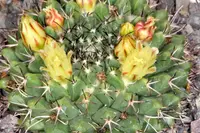
After flowering, either remove spent flowers and drying fruits to prevent fungal issues, or if growing Mammillaria karwinskiana from seed is a goal, allow fruits to fully redden and soften before collecting seeds for sowing.

Common Pests and Diseases

Mealybugs

This pest hides in the woolly areoles and between clustered stems, feeding on plant sap and causing yellowing and slow growth.

Solution

Physically remove visible insects with a cotton swab dipped in 70% isopropyl alcohol, then repeat every 5–7 days until no new pests appear; for larger infestations, use a systemic insecticide labeled for cacti and isolate the plant from others during treatment as part of general Mammillaria karwinskiana care instructions.

Red spider mites

These insects prefer hot, dry conditions and can cause pale, rough, or speckled patches on the epidermis between the tubercles.

Solution

Increase air movement around the plant, gently rinse the stems with a strong but controlled stream of water, and apply a miticide or horticultural oil specifically labeled for mites, repeating treatments according to label directions until new growth appears healthy.

Scale insects

This pest appears as small, hard, brown or gray bumps on ribs and at the plant base, leading to localized yellowing and weakened tissue.

Solution

Manually scrape or peel off individual scales with a toothpick or soft brush, dab remaining spots with 70% isopropyl alcohol, and use a systemic insecticide if the population is widespread, checking crevices and the pot rim regularly for reinfestation.

Fusarium stem rot

This disease often enters through small wounds on the stem, causing sunken, discolored, or brownish areas that may gradually soften and spread.

Solution

Cut out affected tissue well into healthy green tissue with a sterile knife, allow the wound to dry in bright, indirect light with low humidity, dust cuts with a dry fungicidal powder or sulfur, and reduce watering while monitoring for any new lesions.

Bacterial soft rot

Symptoms include rapidly softening, wet, and often foul-smelling stem tissue that can collapse entire offsets or sections of the cluster.

Solution

Remove and discard all affected stems and offsets immediately, cut back into firm healthy tissue with sterilized tools, allow cut surfaces to dry completely in a warm, airy place, and avoid overhead watering or splashing the crown to reduce the risk of reinfection.

Interesting Facts

Double-whorl spination

This species typically develops two distinct rows of spines on each tubercle: shorter, pale radial spines and longer, darker central spines that create a striking star-like pattern as the plant matures.

Dense woolly crown

Mature plants often form a conspicuous ring of white wool at the crown, especially around flowering time, which helps protect the growth point from intense sun and reduces water loss in its dry habitats.

Cluster-forming growth

Instead of staying solitary, this cactus gradually produces many offsets from the base, forming dense, cushion-like clumps that can cover a wide area in cultivation over many years.

FAQs about Mammillaria karwinskiana

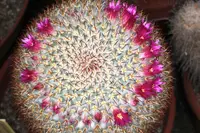
This species usually blooms in late spring to summer, producing a ring of small, funnel-shaped flowers near the stem top. Blooms are often white to pale pink, sometimes with darker midstripes, followed by small, elongated fruits.

Grow Healthy Plants with Botan Care

Keep your plants happy and healthy with plant identification, disease detection, and easy care guidance.


Botan plant care app — identify plants on mobile

Explore More Plants