Mammillaria densispina Care

Mammillaria densispina

About Mammillaria densispina

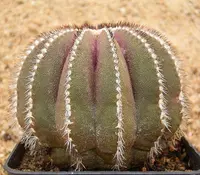
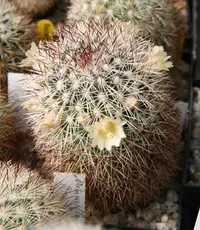
Mammillaria densispina is a small, clustering cactus known for its dense, interlocking spines that create a tidy, rounded shape. It stays compact, which makes it suitable for windowsills and small indoor collections.

This species is native to arid regions of Mexico, where it grows on rocky slopes with strong light and quick-draining soils. In cultivation it is considered relatively easy, as long as excess moisture is avoided and the roots can dry well between waterings.

Its slow growth, drought tolerance, and modest space needs make it a practical choice for beginners learning how to care for Mammillaria densispina.

Main Plant Requirements

Care Difficulty

Easy Care

Light Preference

Full Sun

Water Requirements

Low Water

Temperature Preference

Warm Climate

Hardiness Zone

9–11

Soil Texture

Sandy, Loamy, Rocky

Soil pH

Slightly acidic (6.5–7.0), Neutral (7.0)

Soil Drainage

Well-drained

Fertilization

Minimal (feed rarely)

Get Personalized Care Plan

Scan your plant to receive care tips personalized for your specific plant

Available on iOS and Android

How to Care for the Mammillaria densispina

This small desert cactus needs bright, mostly direct sun to stay compact and flower well.

  • Provide 6–8 hours of sun daily, ideally with strong morning sun and lighter afternoon exposure, especially in hot, arid regions.
  • Outdoors, give full sun with some protection from harsh late-afternoon summer sun to prevent yellowing or scorched spots on the stem.
  • In low-light climates or indoors, place Mammillaria densispina at a south- or west-facing window and rotate regularly to avoid leaning.

This species prefers thorough but infrequent watering that allows the root zone to dry between soakings.

  • Water only when the top 3–5 cm of soil are completely dry, then water deeply so excess drains away, avoiding any standing water.
  • Reduce watering sharply in winter, giving just enough every 4–6 weeks to prevent shriveling as growth slows in cool, low-light conditions.
  • Watch for soft, translucent tissue or a sour smell as signs of overwatering, and pronounced wrinkling or dull, deflated ribs as signs of underwatering.

This cactus prefers warm, dry conditions and tolerates some cold if kept almost dry.

  • Aim for active growth temperatures around 70–85°F (21–29°C), with cooler nights down to about 60°F (16°C) to support normal metabolism.
  • Protect the plant from frost; short dips to 25–32°F (-4–0°C) are sometimes tolerated if the soil is dry, but repeated freezing damages tissue.
  • In summer heat above 95°F (35°C), ensure good air movement and some afternoon shade to limit stress and prevent sunscald on exposed stems.

This cactus thrives in dry air and rarely needs targeted humidity management indoors.

  • Aim for 30–50% relative humidity, similar to most heated indoor rooms.
  • It tolerates very dry air; problems usually arise only with prolonged humidity above 60%.
  • Watch for corky or pale, soft patches as signs of excess humidity and improve air movement or use a dehumidifier.

This species needs a very fast-draining, mineral-rich substrate to prevent root and stem rot.

  • Use a cactus mix amended with extra grit, such as 50–70% pumice, coarse sand, or fine gravel and 30–50% organic component.
  • Ensure the soil feels loose and airy; compaction greatly increases water retention and suffocation of roots.
  • Keep pH slightly acidic to neutral (pH 6.0–7.2), which suits most cactus substrates without special adjustment.
  • Avoid dense garden soil, peat-heavy blends, or any mix that stays wet longer than 3–4 days after watering, especially for Mammillaria densispina.

This compact cactus is well suited to container growing.

  • Choose a shallow, wide pot that matches the shallow root system and limits slow-drying soil volume beneath the plant.
  • Select unglazed terracotta if extra evaporation is needed in cool or low-light situations to reduce moisture buildup.
  • Raise the pot slightly on feet or stones so drainage holes stay clear and water does not pool under the container.

This compact cactus needs only light feeding to maintain healthy growth in pots.

  • Use a low-nitrogen, balanced cactus fertilizer (for example 5-10-10) or diluted general balanced NPK formulated for succulents.
  • Feed Mammillaria densispina at half strength every 4–6 weeks during spring and summer only.
  • Do not apply fertilizer in autumn and winter, when growth slows and roots rest.
  • Always water lightly before feeding to reduce root burn risk in the gritty soil mix.

Pruning needs are minimal and focus on hygiene rather than shaping this small cactus.

  • Best time is late spring to summer, when the plant is actively growing and heals faster.
  • Remove only dead, diseased, or rotting stems using clean, sharp scissors or a sterile knife.
  • Cut away collapsed or pest-damaged offsets to limit spread of problems and maintain compact form.
  • Allow any cut surfaces to dry and callus before watering again to reduce rot risk.

This slow-growing cactus tolerates long periods in the same pot and dislikes frequent disturbance.

  • Repot every 3–4 years, or when roots circle the pot, drainage slows, or growth noticeably stalls.
  • Choose late spring as the preferred time, so roots can recover in warm, bright conditions.
  • Use a shallow pot with large drainage holes and a very gritty, fast-draining cactus mix.
  • Unpot gently, remove loose soil, let roots dry 1–2 days if damaged, then replant and keep almost dry for a week.

Propagation is commonly done through offsets, with seeds used when many plants are desired.

  • Detach firm, healthy offsets in late spring or early summer using a sterile knife if needed.
  • Let offsets dry and callus for several days in shade before placing on or in gritty, barely moist mix.
  • Keep in bright, indirect light at 70–80°F with good air movement to encourage rooting.
  • For seed, sow on the surface of sterile cactus mix, keep slightly moist and warm, and provide bright filtered light.

This cactus requires a cool, dry rest in winter and is not suited to prolonged freezing.

  • Maintain temperatures around 45–55°F indoors or in a frost-free greenhouse for a proper rest period.
  • Keep soil almost completely dry; water only enough to prevent severe shriveling.
  • If grown outdoors in frost-prone areas, move containers indoors or under cover before hard frost.
  • Provide maximum light through winter, such as a bright south-facing window, to prevent etiolated growth.

Care Tips

Rotate For Symmetry

Turn the pot 90° every 2–3 weeks during active growth so the stem receives even light and develops a balanced, upright form instead of leaning toward the brightest side.

Use Top Dressing

Apply a 0.5–1 cm layer of coarse grit or small decorative stones on the soil surface to keep the base dry, reduce rot risk, and prevent soil from splashing onto the spines when watering.

Dry, Cool Rest

Provide a pronounced winter rest by keeping the plant almost dry and in a cooler bright spot (around 45–55°F) for 8–10 weeks to encourage heavier spring flowering and a more compact body.

Inspect Spine Bases

Check closely around the areoles (spine bases) every few weeks for mealybugs or scale, since early removal with a cotton swab and alcohol is far easier than treating a heavily infested, densely spined plant.

Pot Height Control

Use a shallow, wide pot rather than a deep one to keep roots closer to the warm, drying surface layer, which helps prevent prolonged dampness around the taproot when growing Mammillaria densispina.

Common Pests and Diseases

Mealybugs

This pest often hides in the dense tubercles and woolly areoles, feeding on plant sap and causing yellowing and stunted growth. Symptoms include cottony white clusters in crevices and around the base of spines.

Solution

Isolate the plant, then dab visible insects with cotton swabs dipped in 70% isopropyl alcohol, repeating weekly until no new clusters appear. Improve light and air movement, and if the infestation is heavier, use a systemic insecticide labeled for cacti, following local regulations and application rates carefully.

Red spider mites

These insects thrive on stressed plants kept too hot and dry, causing a dull, grayish or rusty appearance on the skin and fine webbing between tubercles. Symptoms include a loss of natural green color and roughened epidermis over time.

Solution

Rinse the plant gently with lukewarm water to remove mites and webbing, allowing it to dry completely afterward. Increase air circulation, avoid extreme dry heat, and use a targeted miticide or insecticidal soap labeled for mites, applying in several cycles to break their life cycle.

Scale insects

This pest appears as hard, brown or tan bumps along ribs, tubercles, and near the base, feeding on sap and weakening the cactus. Symptoms include sticky honeydew residues and gradual loss of vigor.

Solution

Manually remove individual scales with a soft brush or toothpick and wipe affected areas with 70% isopropyl alcohol. For persistent problems, apply a systemic insecticide suitable for succulents and monitor new growth regularly as part of ongoing Mammillaria densispina care instructions.

Fusarium stem rot

This disease is caused by opportunistic fungi that enter through wounds or old flower scars, leading to soft, brown internal tissue and collapse of affected areas. Symptoms include localized sunken spots that may spread along the stem from the base upward.

Solution

Remove the cactus from the pot, cut away all discolored or mushy tissue with a sterile knife, and let healthy sections callus in a dry, shaded place for several days before re-rooting in fresh, sterile, very well-draining cactus mix. Discard heavily affected plants and always avoid water sitting on wounds or in the crown to prevent reinfection.

Corky scab lesions

This disease-like physiological problem produces dry, brown, corky patches on the lower stem, often following minor fungal or bacterial infections in humid or overwatered conditions. Symptoms include rough, bark-like areas that do not feel soft but may enlarge over time.

Solution

Improve watering practices by allowing the mix to dry fully between waterings and keeping humidity moderate, especially in cool seasons. Remove any actively soft or discolored tissue, ensure the plant gets strong light with good airflow, and repot into a fast-draining mineral-rich substrate to limit further spread of lesions.

Interesting Facts

Mountain canyon specialist

This species is naturally restricted to steep, rocky slopes and canyon walls in the Mexican states of Durango and Sinaloa, where it often grows in crevices with very shallow, mineral-rich soils.

Spine armor gradient

It forms a dense coat of fine white radial spines with contrasting yellow to brown central spines that are thicker and slightly hooked, creating a gradient of spine types that helps reduce sun exposure while still deterring herbivores.

Cluster-forming habit

With age, the plant offsets freely from the base, forming tight cushions of many individual stems that can cover rock ledges and stabilize loose substrate in its native habitat.

Botan icon

Did you know?

In habitat, this cactus may spend part of the year almost invisible, with the body retracted into rock crevices and only the spine tips exposed, an adaptation that reduces water loss and protects it from grazing animals and intense sun.

FAQs about Mammillaria densispina

This cactus usually flowers in late winter to spring, sometimes again later in the year. It forms a ring of small funnel-shaped flowers, often white to pale pink, around the upper part of the stem.

Grow Healthy Plants with Botan Care

Keep your plants happy and healthy with plant identification, disease detection, and easy care guidance.

Botan plant care app — identify plants on mobile

Explore More Plants