Silver torch cactus Care (Cleistocactus strausii)

Silver torch cactus

About Silver torch cactus

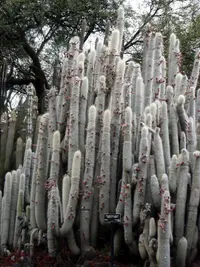
The silver torch cactus, Cleistocactus strausii, is a columnar cactus known for its tall, narrow stems densely covered in white, hair-like spines. It naturally occurs in high, dry regions of Bolivia and Argentina, where it is adapted to strong sun, cool nights, and low rainfall.

In cultivation it stays relatively slim, often forming clumps of upright stems that give a striking architectural look. Its slow to moderate growth and drought tolerance usually make it straightforward to care for Silver torch cactus when light and drainage are adequate.

This species prefers bright, direct light, fast-draining mineral soil, and light but regular watering during the warm growing season, with much drier conditions in winter.

Main Plant Requirements

Care Difficulty

Easy Care

Light Preference

Full Sun

Water Requirements

Low Water

Temperature Preference

Warm Climate

Hardiness Zone

9–11

Soil Texture

Sandy, Loamy, Rocky

Soil pH

Slightly acidic (6.5–7.0), Neutral (7.0)

Soil Drainage

Well-drained

Fertilization

Minimal (feed rarely)

Get Personalized Care Plan

Scan your plant to receive care tips personalized for your specific plant

Available on iOS and Android

How to Care for the Silver torch cactus

This cactus prefers strong light that mimics high, bright mountain sun without prolonged scorching exposure.

  • Provide 6–8 hours of direct sun daily outdoors, with best results in morning and late afternoon light rather than intense mid-day summer sun.
  • Silver torch cactus tolerates light partial shade, but stems may stretch and lean if grown in less than 4–5 hours of direct sun.
  • In very hot summers, offer light shade cloth or filtered light from noon to 3 pm to reduce burn, especially after cloudy periods or relocation.

Cleistocactus strausii prefers deep, infrequent watering with fast-drying soil to protect its roots from rot.

  • Water only when the top 3–5 cm of soil are completely dry; use one thorough soak, then let excess drain away fully.
  • In spring and summer, expect more frequent watering as the soil dries faster; in fall and winter, reduce strongly and water only when stems begin to slightly soften or wrinkle.
  • Watch for overwatering signs such as yellowing, mushy bases, or a sour smell, and improve drainage with gritty, mineral-rich soil if these appear.

This species favors warm, dry conditions and tolerates some cold if kept very dry.

  • Aim for active growth temperatures around 65–80°F (18–27°C), with cooler nights down to about 55°F (13°C) improving tone and vigor.
  • Cleistocactus strausii can briefly tolerate down to 20–25°F (-6 to -4°C) if soil is dry, but repeated hard freezes increase tissue damage risk.
  • Protect from frost and freezing rain; in heat above 90–95°F (32–35°C), increase airflow and provide slight mid-day shade to prevent stress.

This cactus prefers dry air and rarely needs extra humidity.

  • Aim for 20–40% relative humidity, similar to a dry indoor room or arid outdoor climate.
  • Silver torch cactus tolerates very dry air but prolonged humidity above 60% increases rot risk.
  • Watch for soft, pale, or blackening stem bases as signs of excess humidity and improve air movement rather than misting.

Use a very fast-draining, mineral-based soil mix for this cactus.

  • Choose a gritty, sandy mix with a loose, open structure that does not clump when squeezed.
  • Combine roughly 30–40% cactus potting mix with 60–70% mineral materials such as pumice, coarse sand, and small gravel for strong aeration.
  • Keep pH slightly acidic to neutral, around 6.0–7.0, avoiding heavy additions of peat that can stay wet and compact.
  • For Cleistocactus strausii, avoid clayey or high-organic mixes; add extra pumice or perlite if water takes longer than a few seconds to drain through.

This species is well suited to container growing due to its upright, columnar habit.

  • Use a deep, narrow pot that allows vertical root growth while keeping the tall stems from wobbling in loose mix.
  • Select a heavy or wide-based container to counterbalance the height and prevent tipping in wind or on balconies.
  • Ensure drainage holes clear water within seconds; if runoff lingers in the saucer, empty it promptly to protect the shallow stem base.

Cleistocactus strausii benefits from light, controlled feeding during its active growing season to support steady, healthy growth.

  • Use a balanced cactus fertilizer or low-nitrogen liquid feed at 1⁄4–1⁄2 strength to avoid soft, weak tissue.
  • Apply every 4–6 weeks in spring–summer when Silver torch cactus is actively growing and days are bright.
  • Do not fertilize in late fall–winter; cool, short days push the plant into dormancy and nutrient uptake is low.
  • Water before feeding to prevent root burn, and avoid high-organic composts that retain excessive moisture around the roots.

Cleistocactus strausii needs minimal pruning, mainly to maintain safety and remove compromised tissue.

  • Best timing is late spring, once active growth resumes and risk of cold damage is low.
  • Use clean, sharp pruning shears and thick gloves to remove dead, rotting, or storm-damaged stems at the base.
  • Thin out badly crowded or rubbing stems only if necessary to improve light penetration and air movement.
  • Pruning has little effect on flowering but helps keep the plant stable, reduces disease entry points, and limits top-heavy leaning.

Container-grown plants appreciate infrequent but careful repotting to prevent root congestion and maintain a sharply drained mix.

  • Check for roots circling the pot, emerging from drainage holes, or unexplained slow growth as signals for repotting.
  • Plan repotting every 3–4 years in late spring, just before strong warm-season growth begins.
  • Choose a slightly larger pot with excellent drainage and a gritty cactus mix to limit waterlogging stress on roots.
  • Support tall stems, handle with thick padding or tongs, and disturb the rootball as little as possible, then keep soil barely moist for 1–2 weeks.

This species is commonly propagated, though growth is slow, so patience is important for any method chosen.

  • Use stem cuttings in late spring–summer; cut a healthy segment, let the wound callus for 7–14 days, then place in dry, gritty mix.
  • Keep cuttings warm (70–80°F) with bright, indirect light and only light misting until roots form, then water sparingly.
  • Seeds are another option; sow fresh seed on the surface of a sterile cactus mix and lightly cover with coarse sand.
  • Maintain 70–80°F, high bright light, and slightly moist but never wet substrate until seedlings are established.

This cactus has reasonable cold tolerance when dry but still needs managed conditions in most temperate climates.

  • Mature plants tolerate brief drops near 15–20°F if the soil is dry and air is not persistently damp.
  • In-ground specimens benefit from a gravel mulch to keep the root zone dry and reduce freeze–thaw stress.
  • For containers, move plants indoors to a bright, cool spot around 45–55°F before hard freezes begin.
  • Keep the plant almost completely dry in winter; only give a tiny amount of water if stems begin to shrivel noticeably.

Care Tips

Stake Tall Columns

Install a slim bamboo stake or sturdy rod close to each main stem and secure it loosely with soft ties to prevent tall, narrow columns from leaning or snapping as they gain height.

Rotate For Even Spines

Turn the pot 90° every 2–3 weeks so all sides receive similar light, which promotes symmetrical growth and more even spine density rather than a lopsided, weak side.

Winter Rest Setup

From late fall, move the plant to a bright, cooler spot and keep the mix almost dry to encourage a proper winter rest that improves flowering and overall vigor.

Use Top Dressing

Apply a 0.5–1 cm layer of decorative gravel or pumice on the soil surface to keep the base dry, reduce rot risk, and stabilize tall stems in the pot when caring for Silver torch cactus.

Inspect Spines Safely

Use long tweezers and a soft brush to remove debris or pests from between the dense spines, avoiding finger contact that can damage the areoles and make future pest control harder.

Common Pests and Diseases

Mealybugs

This pest commonly hides in woolly clusters along areoles and stems, sucking sap and causing yellowing, shriveling, and weak new growth.

Solution

Isolate the plant, then dab visible insects with cotton swabs dipped in 70% isopropyl alcohol and repeat weekly until no new clusters appear; for severe cases, use a systemic insecticide labeled for cacti and improve light and airflow to reduce reinfestation while following general Cleistocactus strausii care instructions.

Spider mites

These insects thrive on tall, thin stems in hot, dry conditions, causing fine webbing, pale stippling, and dull, grayish patches on the epidermis.

Solution

Move the plant to a bright, slightly more humid but still well-ventilated spot, then rinse stems thoroughly with a firm stream of water and follow with 2–3 applications of insecticidal soap or neem oil spray at 5–7 day intervals, making sure to coat all sides of the stems.

Scale insects

This pest appears as small, rounded or oval bumps tightly attached to the stems, leading to sticky honeydew, sooty mold, and gradual decline in vigor.

Solution

Gently scrape or peel off individual scales with a fingernail or soft tool, wipe affected areas with diluted alcohol, and repeat inspections weekly; if populations persist, apply a systemic insecticide and reduce plant stress by maintaining strong light and sparse watering.

Fungal stem spots

This disease develops as localized brown, corky, or slightly sunken lesions on the stem surface, often following mechanical damage or prolonged dampness on the epidermis.

Solution

Keep stems dry, improve air circulation, and avoid overhead watering; if lesions spread, cut out affected tissue with a sterile blade, allow the wound to callus in dry air, and apply a sulfur or copper-based fungicide according to label directions.

Bacterial soft rot

Symptoms include sudden soft, water-soaked, foul-smelling areas on stems that collapse quickly, usually starting where water or injury has penetrated the protective wool and skin.

Solution

Immediately remove and discard all affected tissue with a sterile knife, cutting back into firm, healthy stem, then allow cut surfaces to dry and callus in warm, airy conditions; reduce watering, avoid water sitting on the stems, and do not replant any part that shows lingering softness or odor when trying to grow Cleistocactus strausii.

Interesting Facts

Native high-altitude specialist

This species is native to high, dry valleys of Bolivia and Argentina, where it grows on rocky slopes at elevations often above 3,000 m, adapted to intense sun, strong winds, and large day–night temperature swings.

Dense hair as sunscreen

Its thick covering of white, silky hairs acts as a natural sunshade and insulation layer, reflecting intense ultraviolet radiation and reducing water loss from the stem surface in its mountain habitat.

Columnar growth habit

Individual stems in mature plants can form narrow, upright columns that slowly reach several meters in height in habitat, often branching from the base and creating tight clumps that stabilize shallow, stony soils.

Botan icon

Did you know?

In its native Andean range, this cactus often grows in exposed positions where few other succulents can persist, and its pale, reflective surface helps moderate stem temperature enough to survive occasional light frosts even under strong high-altitude sunlight.

FAQs about Silver torch cactus

Flowering usually begins only once the plant is several years old and tall enough. Lack of cool, dry winter rest, insufficient maturity, and keeping it in too much shade are typical reasons it stays flowerless.

Grow Healthy Plants with Botan Care

Keep your plants happy and healthy with plant identification, disease detection, and easy care guidance.

Botan plant care app — identify plants on mobile

Explore More Plants