Mammillaria discolor Care

Mammillaria discolor

About Mammillaria discolor

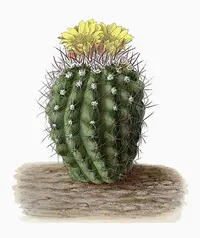
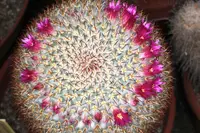
Mammillaria discolor is a small, globular cactus from central Mexico, usually forming clusters of rounded stems covered in neat, white-tipped tubercles and fine spines. It stays compact, which makes it suitable for containers and windowsills.

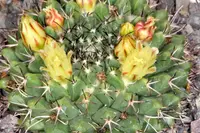
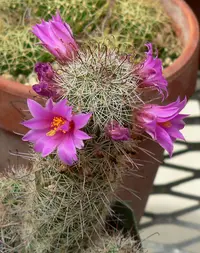
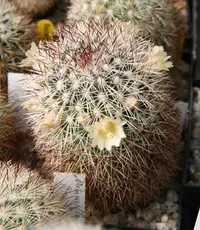
In bloom, it produces a ring of small, pale flowers near the crown, adding seasonal interest without needing much space. Its slow growth and drought tolerance mean it fits well into low-maintenance collections.

This species prefers bright light, very well-drained, mineral-rich soil, and careful watering that allows the roots to dry between drinks. These traits generally make it straightforward for those who want to learn how to care for Mammillaria discolor.

Main Plant Requirements

Care Difficulty

Easy Care

Light Preference

Full Sun

Water Requirements

Low Water

Temperature Preference

Warm Climate

Hardiness Zone

9–11

Soil Texture

Sandy, Loamy, Rocky

Soil pH

Slightly acidic (6.5–7.0), Neutral (7.0)

Soil Drainage

Well-drained

Fertilization

Minimal (feed rarely)

Get Personalized Care Plan

Scan your plant to receive care tips personalized for your specific plant

Available on iOS and Android

How to Care for the Mammillaria discolor

This small cactus prefers bright, direct light but benefits from some protection during the harshest sun.

  • Provide 4–6 hours of direct morning sun, plus bright light for the rest of the day, in an open outdoor spot or bright south- or west-facing exposure.
  • Tolerates light afternoon shade, especially in hot, low-humidity climates, to prevent yellowing or corky, sun-scorched patches on the stems.
  • In winter, give Mammillaria discolor the brightest spot available; extended low light causes elongated, weak growth and fewer flowers.

This drought-adapted cactus needs infrequent, thorough watering and fast-draining soil.

  • Water only when the top 3–5 cm of soil are completely dry; use a finger or wooden skewer to check below the surface.
  • In spring and summer, soak the root zone then let excess drain away; in fall reduce frequency, and in winter water lightly or not at all if kept cool and dry.
  • Watch for soft, yellowing, or blackened tissue as a sign of overwatering, and wrinkling or slight shrinkage as a sign it is ready for a drink.

This species prefers warm, dry air and does not tolerate hard frost.

  • Aim for 70–85°F (21–29°C) during active growth, with plenty of sun and good air movement to prevent heat stress.
  • Protect from temperatures below 40°F (4°C); short dips to 32°F (0°C) may be survived if the soil is completely dry, but frost can scar tissue.
  • For a defined winter rest, keep it around 45–55°F (7–13°C), dry and bright; avoid placing Mammillaria discolor near freezing drafts or hot reflective surfaces.

This cactus prefers dry air and usually does well in typical indoor humidity.

  • Aim for 30–50% humidity, similar to most heated indoor homes.
  • It tolerates very dry air; problems appear more from excess moisture than low humidity.
  • Signs of humidity stress include soft, pale, or blackening stem tissue, often combined with cool, stagnant air.

Use a very fast-draining, mineral-rich mix to reduce rot risk for Mammillaria discolor.

  • Choose a gritty, sandy substrate with little organic matter so water drains within minutes after watering.
  • Blend roughly 50–70% mineral material (pumice, coarse sand, grit, or perlite) with 30–50% cactus potting mix for structure and nutrients.
  • Keep pH slightly acidic to neutral, around 6.0–7.0, which suits most tap-water conditions in the US.
  • Avoid peat-heavy, compact, or water-retentive mixes that stay wet for more than 2–3 days, as roots need high aeration.

This species is well suited to container growing.

  • Select a pot only 1–2 in wider than the root ball so the mix dries evenly between waterings.
  • Use a clay or terracotta pot if extra evaporation is needed in cooler or low-light locations.
  • Place the container where it cannot be knocked over, as the plant’s clustered form can become slightly top-heavy over time.

This compact cactus needs modest feeding to support healthy growth in pots.

  • Use a balanced cactus fertilizer (around 5-5-5) or diluted general balanced NPK at 1/4–1/2 strength.
  • Feed Mammillaria discolor every 4–6 weeks in spring and summer only, after watering the soil lightly first.
  • Do not apply compost-heavy mixes that stay wet; choose low-organic, mineral-based products instead.
  • Stop feeding in fall and winter to respect its dry, cool rest period and avoid weak, etiolated growth.

This species rarely needs pruning beyond basic cleanliness and safety.

  • In late spring or summer, remove dead, diseased, or badly scarred stems with clean, sharp scissors or pruning snips.
  • Cut away any mushy, rotting tissue well into healthy tissue, then let wounds dry in bright, indirect light.
  • Detach weak or overcrowded offsets only if necessary to improve air flow or plant shape.
  • Disinfect tools before and after use to lower the risk of spreading fungal or bacterial problems on Mammillaria discolor.

Repotting for this cactus is infrequent but helpful for long-term container health.

  • Repot every 3–4 years, or when roots circle the pot, growth slows, or soil stays wet longer than before.
  • Choose late spring as the best time to move Mammillaria discolor into fresh, gritty cactus mix and a slightly wider pot.
  • Gently loosen the root ball, remove old, compacted soil, and trim dead roots with sterile scissors.
  • After repotting, keep the plant dry and shaded for 5–7 days, then reintroduce water gradually to reduce root stress.

This cactus is most often propagated from offsets, with seeds used for larger batches or collections.

  • In late spring or early summer, twist or cut firm offsets from the mother plant using clean, sharp tools.
  • Allow offsets to callus for 3–7 days in a dry, shaded place before planting into a gritty, fast-draining mix.
  • Keep the medium barely moist and maintain bright, indirect light and warmth around 70–80°F for rooting.
  • For seed propagation of Mammillaria discolor, surface-sow on sterile cactus mix, keep slightly moist, and ventilate to limit damping-off.

Cool, dry winter conditions are important for this cactus and help set flowering for the next season.

  • Keep Mammillaria discolor around 45–55°F in winter, above freezing and away from cold drafts or frosty windows.
  • Move container plants indoors or into an unheated but frost-free greenhouse before nights drop near 32°F.
  • Provide as much light as possible but greatly reduce watering, keeping the soil almost completely dry.
  • Avoid humid rooms and do not mist, which increases the risk of winter rot in the stem and roots.

Care Tips

Encourage Clumping

Rotate the pot a quarter turn every 2–3 weeks during active growth so the plant receives even light and forms a symmetrical clump rather than leaning to one side.

Support Heavy Offsets

If the cluster becomes top-heavy, top-dress with coarse gravel and use a few small rocks around the base to brace outer stems so they do not snap under their own weight.

Safe Repot Timing

Repot only in late spring or early summer, then keep the plant almost dry for 7–10 days so damaged roots can callus before regular watering resumes.

Dry Winter Rest

Provide a pronounced winter rest by keeping the plant cool and almost completely dry, which helps set up stronger flowering in the following season when caring for Mammillaria discolor.

Inspect Wool Areoles

Check the woolly areoles and between stems with a flashlight every few weeks, since mealybugs often hide there, and use a cotton swab with 70% isopropyl alcohol to spot-treat any early infestations.

Common Pests and Diseases

Spider mites

This pest often appears on stressed cacti kept in warm, dry indoor air, causing fine webbing between tubercles and a dull, grayish surface on stems. Symptoms include tiny pale speckling that slowly merges into larger discolored patches.

Solution

Rinse the plant thoroughly with a firm stream of lukewarm water, then allow it to dry in bright, airy conditions. If activity persists, treat the stems with a miticide or neem oil spray labeled for cacti, repeating every 7–10 days, and slightly raise humidity and air movement to prevent reinfestation without keeping the soil wet.

Mealybugs

These insects hide in the spaces between tubercles and around areoles, forming small white cottony clusters that can be hard to see against the woolly crown. Symptoms include stunted growth, yellowing at feeding spots, and sticky honeydew on the pot or nearby surfaces.

Solution

Isolate the plant, then dab visible mealybugs with cotton swabs soaked in isopropyl alcohol, taking care to get into crevices around the areoles. Follow with a systemic insecticide or repeated applications of insecticidal soap, and inspect regularly for several weeks while avoiding overfertilizing, which can encourage new outbreaks when trying to follow Mammillaria discolor care instructions.

Root mealybugs

This pest feeds on underground parts and is common in long-kept collections, causing slow decline, shriveling despite watering, and white cottony deposits on roots and inside the pot. Symptoms include poor anchoring in the soil and a plant that lifts easily with weakened or missing feeder roots.

Solution

Unpot the cactus, wash all soil from the roots, and remove any heavily infested or dead tissue with sterile tools. Soak the root zone briefly in an appropriate systemic insecticide solution, repot into fresh, fast-draining mineral-rich mix, and keep the plant slightly on the dry side for 1–2 weeks while monitoring for reinfestation.

Fusarium stem rot

This disease enters through wounds or the base of the plant, especially after overwatering or cool, damp periods, leading to sunken brown to black patches that may spread upward from the soil line. Symptoms include soft, discolored tissue and an unpleasant odor when advanced.

Solution

At the earliest signs, cut away affected tissue with a sterile knife back to firm, healthy flesh, then dust cuts with sulfur or a copper-based fungicide and allow them to dry in bright shade for several days. If rot is extensive, take healthy offsets or stem sections as cuttings, discard the infected base and soil, and re-establish the plant in a clean, very free-draining medium with careful watering.

Corking and sunscald

This physiological problem appears as brown, corky tissue near the base or pale, bleached patches on exposed sides after abrupt exposure to intense sun. Symptoms include rough, tan scarring that is permanent but usually not life-threatening if it does not continue to spread.

Solution

Move the plant gradually from shade to stronger light over 1–2 weeks, using shade cloth or an east-facing exposure to harden it to full sun. Maintain good air circulation and avoid midday summer sun behind glass, adjusting placement so the cactus receives bright light without sudden extremes that damage the epidermis.

Interesting Facts

Distinctive tubercle pattern

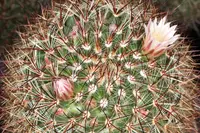
Mammillaria discolor forms a small, depressed-globose stem with tightly packed, conical tubercles arranged in neat spirals, creating a very regular geometric pattern that helps distinguish it from many similar Mammillaria species.

White wool and bristles

The areoles between the tubercles often produce dense white wool and fine bristles, which help shade the plant’s surface and may reduce water loss in its native dry habitats of central Mexico.

Ring of pale flowers

This species typically produces small, pale pink to almost white funnel-shaped flowers in a ring around the upper part of the stem, a characteristic flowering pattern common in the genus but with a particularly delicate color contrast against its dark green body.

FAQs about Mammillaria discolor

Lack of flowers usually comes from insufficient light, no cool dry winter rest, or excess nitrogen fertilizer. This desert species needs strong light, a slight temperature drop, and lean feeding to initiate its spring-to-summer flowering cycle.

Grow Healthy Plants with Botan Care

Keep your plants happy and healthy with plant identification, disease detection, and easy care guidance.

Botan plant care app — identify plants on mobile

Explore More Plants