Mammillaria haageana Care

Mammillaria haageana

About Mammillaria haageana

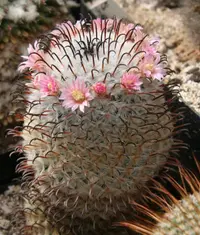
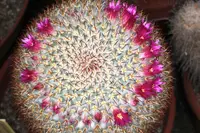
Mammillaria haageana is a small, slow-growing cactus forming neat, rounded clusters covered in short white spines and often topped with a ring of small pink flowers. It stays compact, which makes it suitable for windowsills and small indoor collections.

This species is native to central Mexico, where it grows in rocky, well-drained habitats with strong light and sparse rainfall. Its drought tolerance and modest size make it relatively easy for beginners, as long as excess moisture is avoided.

Those learning how to care for Mammillaria haageana should focus on bright light, very free-draining gritty soil, and infrequent watering, especially in cooler seasons.

Main Plant Requirements

Care Difficulty

Easy Care

Light Preference

Full Sun

Water Requirements

Low Water

Temperature Preference

Tropical / Frost Sensitive

Hardiness Zone

9–11

Soil Texture

Sandy, Loamy, Rocky

Soil pH

Slightly acidic (6.5–7.0), Neutral (7.0)

Soil Drainage

Well-drained

Fertilization

Minimal (feed rarely)

Get Personalized Care Plan

Scan your plant to receive care tips personalized for your specific plant

Available on iOS and Android

How to Care for the Mammillaria haageana

This small cactus prefers bright, direct light but needs protection from extreme midday sun in hot climates.

  • Provide 4–6 hours of direct morning sun plus bright, indirect light for the rest of the day to support compact growth and flowering.
  • In very hot regions, shield Mammillaria haageana from harsh afternoon sun with light shade cloth or placement near a lightly filtered window or canopy.
  • If stems elongate, lean toward the light, or lose spine density, increase light exposure gradually over 1–2 weeks to avoid sunburn.

This species needs infrequent, careful watering that mimics brief desert rains followed by dry periods.

  • During active growth in spring–summer, water only when the top 3–5 cm of soil are completely dry, then soak thoroughly and let excess drain away.
  • In autumn, reduce watering sharply, and in winter water sparingly every 4–6 weeks, or only enough to prevent shriveling in cool conditions.
  • Use a fast-draining gritty mix and watch for early overwatering signs such as yellowing, softening at the base, or a sour soil smell.

This cactus prefers warm, dry conditions with a cool, but not freezing, rest period in winter.

  • Aim for 70–85°F (21–29°C) during the growing season for steady growth, with good airflow to prevent fungal issues in humid weather.
  • Protect from frost; short dips to 40°F (4°C) may be tolerated if soil is completely dry, but sustained exposure below 45°F (7°C) increases rot risk.
  • For flowering, provide a cool, dry rest in winter around 45–55°F (7–13°C), and avoid placing plants near freezing windows or heat vents.

This cactus prefers dry air and rarely needs humidity adjustment indoors.

  • Aim for 20–40% humidity, similar to a dry, heated room environment.
  • Plant tolerates very dry air; problems arise more from excess moisture than from low humidity.
  • If stems soften, discolor, or show corky patches while soil stays wet, reduce ambient humidity and improve air movement.

This species needs a very fast-draining, mineral-rich substrate to prevent root rot.

  • Use a gritty mix such as 50–70% mineral components (pumice, coarse sand, fine gravel) with 30–50% cactus potting mix.
  • Ensure water runs through in seconds and the mix dries fully within a few days after watering.
  • Keep pH slightly acidic to neutral, around 6.0–7.0, which suits Mammillaria haageana and most other cacti.
  • Avoid peat-heavy, dense, or moisture-retentive mixes and remove fine particles that clog air spaces to maintain aeration.

This species is well suited to container growing when drainage and pot proportions are managed carefully.

  • Select a shallow, wide pot that matches the shallow root system and supports clustering without leaving large unused soil volumes.
  • Choose unglazed terracotta if extra evaporation is needed to keep the mix dry between waterings.
  • Place the pot in a stable location where the relatively top-heavy clustered stems will not tip when the substrate dries and lightens.

This small cactus needs only modest feeding to maintain compact, healthy growth.

  • Use a balanced cactus formula (for example 5-5-5 or 10-10-10) diluted to 25–50% strength in place of general-purpose fertilizer for Mammillaria haageana.
  • Feed every 4–6 weeks during spring and summer when actively growing.
  • Avoid organic compost or manure in pots, which can stay too wet and cause root issues.
  • Stop feeding in fall and winter to allow proper dormancy and avoid weak, etiolated growth.

This species needs minimal pruning, focused on hygiene rather than shaping.

  • Best timing is late spring to summer, when the plant is actively growing and recovers faster.
  • Remove only dead, dried, diseased, or badly damaged stems using clean, sharp scissors or pruning snips.
  • Cut off any badly scarred or rotting offsets at the base to slow disease spread.
  • Avoid cosmetic trimming, as it disrupts natural symmetry and can invite infection at wound sites on Mammillaria haageana.

Container-grown plants benefit from occasional repotting into fresh, fast-draining cactus mix.

  • Repot every 3–4 years, or when roots circle the pot, emerge from drainage holes, or growth noticeably slows.
  • Choose late spring as the best time, when Mammillaria haageana resumes active growth and heals roots efficiently.
  • Gently loosen the root ball, remove old compacted soil, and trim dead roots with sterile scissors.
  • After repotting, keep the plant dry for 5–7 days, then resume light watering to reduce rot risk and transplant shock.

This cactus is commonly propagated from offsets and seeds under warm, bright conditions.

  • In late spring or early summer, gently twist or cut offsets from the parent Mammillaria haageana using a sterile knife.
  • Allow cut surfaces to callus for 3–7 days in a dry, shaded place before potting.
  • Set offsets on barely moist, gritty cactus mix and keep in bright, indirect light at 70–80°F.
  • For seeds, sow on the surface of sterile mix, keep slightly moist and warm, and provide bright, indirect light for germination.

This cactus prefers cool, very dry winter conditions and is not tolerant of prolonged hard freezes.

  • Maintain winter temperatures around 45–55°F; brief light frosts may be tolerated if completely dry.
  • Move containers indoors or into a cold greenhouse before temperatures drop below freezing.
  • Keep soil almost completely dry in winter to prevent rot in dormant Mammillaria haageana.
  • Ensure bright light and good air circulation while avoiding cold, damp drafts around the plant.

Care Tips

Top-dressing grit

After potting, add a 0.5–1 cm layer of coarse sand or fine gravel around the stem base to keep the neck dry, reduce rot risk, and discourage fungus gnats when growing Mammillaria haageana.

Controlled offset removal

When offsets are at least 1–1.5 cm across, twist them off with sterilized fingers or tongs, let the wounds callus for 7–10 days, then root them in a separate pot to maintain the mother plant’s shape and prevent overcrowding.

Optimized winter rest

From late fall, move the plant to the brightest, coolest indoor spot available (ideally 45–55°F, very dry soil) to promote stronger spring flowering and tighter, more compact growth.

Safe handling setup

Wrap the stem gently with folded newspaper, foam, or a strip of old towel before repotting or inspecting roots so you can handle the plant securely without damaging the spines or skin.

Periodic root inspection

Every 2–3 years, unpot in late spring, shake off old mix, and check roots for rot, mealybugs, or cramped growth, trimming any dead or mushy tissue before repotting into fresh, very gritty substrate.

Common Pests and Diseases

Spider mites

This pest often appears on stressed, very dry plants and causes fine webbing between the tubercles and a dull, speckled look to the epidermis. Symptoms include slowed growth and a rough, sandblasted surface on the stems.

Solution

Increase humidity slightly around the plant without wetting the body, then rinse the cactus gently under a lukewarm, soft water stream to remove mites and webbing. Follow with repeated applications of a horticultural oil or insecticidal soap labeled for spider mites, treating every 5–7 days until no new damage appears and improving air movement and light to keep the plant vigorous.

Mealybugs

These insects hide in the woolly areoles and around the base of the plant, forming white, cottony clusters and excreting sticky honeydew. Symptoms include distorted new growth, yellowing tissue near feeding sites, and sooty mold on the honeydew in severe cases.

Solution

Remove visible clusters with a cotton swab dipped in 70% isopropyl alcohol, taking care to reach into the wool and between tubercles. For larger infestations, drench and spray with an appropriate systemic or contact insecticide for succulents, repeat at 10–14 day intervals, and isolate the cactus from others during treatment as part of Mammillaria haageana care instructions.

Root mealybugs

These insects attack underground, coating roots and the lower stem with white, waxy residue and causing the plant to become weak, shriveled, and slow-growing despite seemingly normal top growth at first. Symptoms include poor water uptake and a plant that stays soft or wrinkled even after watering.

Solution

Unpot the cactus, gently wash off all soil, and inspect roots for white, cottony patches, then remove affected roots and soak the root zone briefly in a suitable systemic insecticide solution or 70% isopropyl alcohol. Repot into fresh, sterile, very well-draining cactus mix in a clean pot, keep dry for 7–10 days to allow roots to heal, and monitor neighboring plants for signs of spread.

Corky stem lesions

This disease appears as localized, sunken, brown to tan corky patches, often at the base or on the side of the stem where moisture lingers. Symptoms include hardened, bark-like tissue that may slowly expand but usually stays dry rather than soft and mushy.

Solution

Improve cultural conditions by increasing light, ensuring excellent air circulation, and keeping water off the stem surface, especially in cool conditions. If lesions stay dry and stable, no chemical treatment is needed; if the area slowly advances, cut back to healthy tissue with a sterile blade, allow the wound to callus in a dry, bright place, and adjust watering frequency to keep the mix dry between waterings.

Soft bacterial rot

This disease causes localized, wet, dark, and foul-smelling areas on the stem, often entering through small wounds or damage from spines or insects. Symptoms include rapid tissue collapse, oozing liquid, and a plant that may topple if the base is affected.

Solution

Isolate the plant immediately, then cut away all affected tissue well into firm, healthy flesh using sterile tools, dusting the wound with sulfur or a dry fungicide/bactericide powder. Keep the plant completely dry in a warm, airy, bright spot until the cut surfaces form a hard callus, discard any irreparably mushy plants to avoid spread, and in future avoid water sitting on the body or in damaged areas, especially in cool temperatures.

Interesting Facts

Firm woolly crown

Mature plants develop a distinctly woolly crown where new areoles form, and this wool persists even in cultivation, giving the top of the plant a felted, slightly flattened appearance compared with many other small Mammillaria species.

Hooked central spines

The central spines are strongly hooked and reddish to brown, an adaptation that helps protect the plant from herbivores and also traps small pieces of plant debris that can shade the stem surface in its native habitat in central Mexico.

Tight ringed flowering

Flowers typically appear in a neat ring around the upper part of the stem, creating a floral crown effect; in this species the flowers are usually pale pink to purplish with a darker midstripe, a pattern used by botanists to help separate it from closely related taxa.

Botan icon

Did you know?

This species is one of the most widely distributed members of its genus in central Mexico, forming dense populations on limestone hills and rocky slopes where it can dominate the small-cactus community and contribute significantly to local microhabitats for invertebrates.

FAQs about Mammillaria haageana

This species usually blooms in late winter to spring, producing a ring of small funnel-shaped flowers around the stem tip. Colors range from white to pinkish, sometimes with darker mid-stripes, creating a halo effect.

Grow Healthy Plants with Botan Care

Keep your plants happy and healthy with plant identification, disease detection, and easy care guidance.

Botan plant care app — identify plants on mobile

Explore More Plants