San Esteban hedgehog Care (Echinocereus grandis)

San Esteban hedgehog

About San Esteban hedgehog

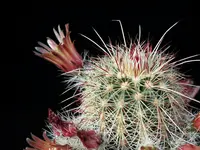
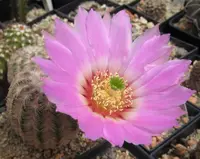
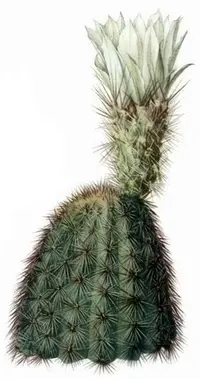
The San Esteban hedgehog, Echinocereus grandis, is a small columnar cactus native to San Esteban Island in the Gulf of California. It grows in rocky, arid terrain with very limited rainfall. The stems form tight clusters covered in dense, straight spines that protect the plant from herbivores and intense sun. In season, it can produce large, showy flowers that contrast strongly with the spiny body. This species is considered challenging for beginners because it demands excellent drainage, careful watering, and bright light. Understanding how to care for San Esteban hedgehog starts with replicating its dry, sunny island habitat as closely as possible.

Main Plant Requirements

Care Difficulty

Moderate Care

Light Preference

Full Sun

Water Requirements

Low Water

Temperature Preference

Warm Climate

Hardiness Zone

9–11

Soil Texture

Sandy, Rocky, Loamy

Soil pH

Slightly acidic (6.5–7.0), Neutral (7.0)

Soil Drainage

Well-drained

Fertilization

Minimal (feed rarely)

Get Personalized Care Plan

Scan your plant to receive care tips personalized for your specific plant

Available on iOS and Android

How to Care for the San Esteban hedgehog

This cactus prefers strong light that mimics its bright desert habitat.

  • Provide 6–8 hours of direct sun daily, ideally with morning to early afternoon exposure, and light afternoon shade in very hot regions.
  • Young or newly acquired San Esteban hedgehog plants benefit from 1–2 weeks of gradual light increase to prevent sunburn, shown by pale or brown patches.
  • If stems stretch, lean, or turn dull green, the plant is not receiving enough sun; move it to a brighter spot, especially in winter.

Echinocereus grandis needs infrequent, thorough watering with ample drying time between soakings.

  • Water only when the top 3–5 cm of soil are completely dry; in hot active growth periods this may be every 10–21 days depending on heat, wind, and soil type.
  • Use sharply draining, gritty soil and ensure excess water runs off quickly to prevent root rot, which shows as soft, yellowing, or collapsing stems.
  • In winter dormancy, reduce watering to very light sips every 4–6 weeks or less, watching for slight wrinkling as a cue to water.

This species thrives in warm, dry conditions with a marked difference between summer heat and cooler winters.

  • Aim for 70–90°F (21–32°C) during active growth, with good air movement to help the stems dry after rare summer rains.
  • Protect from frost; short dips to 32°F (0°C) may be tolerated if bone-dry, but prolonged exposure below 35–40°F (2–4°C) greatly increases tissue damage risk.
  • Provide a cooler, drier winter rest around 45–55°F (7–13°C) if possible, while shielding from cold rain and sudden temperature swings.

This cactus prefers dry air and generally thrives in 20–40% relative humidity.

  • Tolerates typical indoor winter dryness well, as long as roots are not kept wet.
  • Watch for softness, pale new growth, or fungal spotting as signs of excess humidity combined with poor air movement.
  • If air stays above 60% for long periods, increase airflow with a fan and keep the plant in a warmer, brighter spot, as when caring for San Esteban hedgehog.

Use a very fast-draining, mineral-rich mix that dries quickly after watering.

  • Aim for a gritty, sandy texture with 60–80% inorganic material such as pumice, coarse perlite, and 3–5 mm gravel, plus a small amount of low-peat cactus substrate.
  • Ensure water drains through in seconds, not minutes; dense mixes that stay wet more than 2–3 days promote root rot.
  • Target a slightly acidic to neutral pH around 6.0–7.0, avoiding strongly alkaline mixes with large amounts of limestone chips or wood ash.
  • For Echinocereus grandis, avoid fine composts and regular potting mix; instead, use a sieve to remove small particles that clog air spaces and reduce aeration.

This species is well suited to container culture when the pot is chosen to control moisture and support its upright body.

  • Select a heavy terracotta or clay pot so the tall, columnar stems do not tip the container in wind or after watering.
  • Choose a pot only 2–4 cm wider than the root mass so the mix dries evenly rather than holding moisture in unused corners.
  • Raise the container slightly on feet or tiles to let drainage holes clear quickly and prevent water from pooling under the base after rain or watering.

This cactus benefits from light, controlled feeding during the warm growing season.

  • Use a diluted balanced cactus fertilizer (for example 10-10-10) at 1/4–1/2 strength in spring and early summer.
  • Feed every 4–6 weeks only when the soil is warm and the plant is actively growing.
  • Stop feeding San Esteban hedgehog in late summer to allow tissues to harden before winter.
  • Avoid organic compost or rich slow-release pellets that keep soil wet and salty.

Pruning needs for Echinocereus grandis are minimal and mainly sanitary.

  • Best time is late spring, after the risk of frost and once new growth is visible.
  • Remove only dead, shriveled, or clearly damaged stems with clean, sharp scissors or pruners.
  • Cut close to the base without injuring healthy tissue to maintain natural clump shape.
  • Disinfect tools before and after use to reduce disease risk in wounds.

Container-grown plants need infrequent repotting because this cactus grows slowly.

  • Check for roots circling the pot, pushing through drainage holes, or very slow growth as signs to repot.
  • Plan repotting for late spring, every 3–5 years, when temperatures are consistently above 60°F.
  • Use a shallow, slightly wider pot with gritty, fast-draining cactus mix to reduce root rot risk.
  • Unpot gently, keep the root ball mostly intact, and keep dry for 5–7 days after repotting to let wounds callus.

Propagation is usually done by seed rather than offsets for this species.

  • Sow fresh seeds in late spring in a sterile, very gritty mix kept just barely moist.
  • Maintain bright, indirect light and warmth around 70–80°F to support germination.
  • Cover seeds lightly with sand or fine grit to stabilize them without excluding light.
  • Once seedlings are firm and spine development begins, increase light gradually and reduce moisture.

This cactus needs a cool, dry winter rest but only moderate cold tolerance.

  • Hardy to light, brief frosts; sustained temperatures below about 25°F can damage stems.
  • Keep soil almost completely dry in winter to prevent root rot in cold conditions.
  • In colder climates, move containers indoors to a bright, cool room around 40–50°F.
  • Outdoors, use a thick gravel mulch around the base to keep the root zone dry and insulated.

Care Tips

Rock-mulch topdressing

Add a 1–2 cm layer of inert mineral grit or small rocks around the base to keep the stem dry at soil level, reduce algae and fungus gnats, and mimic the rocky habitat this cactus prefers.

Summer hardening-off

Before placing the plant outdoors for summer, gradually increase its direct sun exposure over 10–14 days to prevent stem scorching and allow tissues to adapt to higher light and wind.

Cool, bright wintering

Provide a cooler, very bright spot around 45–55°F with almost no water during winter to encourage a proper rest period that supports stronger flowering in the following season.

Targeted mealybug control

Inspect woolly areoles and rib crevices monthly, and at the first sign of mealybugs dab insects directly with a cotton swab dipped in 70% isopropyl alcohol to stop infestations before they spread.

Shallow, snug pots

Use a wide, shallow pot that fits the root ball closely to prevent excess moisture, improve stability for top-heavy stems, and support healthier root development when growing San Esteban hedgehog.

Common Pests and Diseases

Cochineal scale

This pest feeds on cactus pads and ribs, forming white, cottony clusters that can stain the plant with purple-red dye when crushed. Infestations weaken growth and leave yellow, patchy spots along the stems.

Solution

Physically remove pads with a strong jet of water, then dab remaining clusters with cotton swabs dipped in 70% isopropyl alcohol. Improve air movement, avoid overhead wetting of stems, and if needed apply a targeted insecticidal soap or horticultural oil labeled for cacti, repeating every 7–10 days until no new clusters appear.

Spider mites

These insects are tiny sap-suckers that thrive on Echinocereus in hot, dry, stagnant air, causing dull, dusty-looking stems and fine webbing between ribs and spines. Symptoms include faded green color and rough, stippled patches on the epidermis.

Solution

Rinse stems thoroughly with a firm stream of water, including grooves between ribs, then use insecticidal soap or a neem-based product on all surfaces. Increase humidity slightly around the plant, improve airflow, and keep it out of extreme heat buildup, such as against hot glass, to reduce reinfestation when caring for San Esteban hedgehog.

Cactus mealybugs

This pest hides in spine clusters and along the stem base, appearing as small white cottony tufts that excrete sticky honeydew. Heavy infestations can stunt growth and encourage sooty mold on the plant surface and nearby objects.

Solution

Inspect spine clusters closely, remove visible mealybugs with tweezers or a soft brush, and swab crevices with 70% isopropyl alcohol. For persistent cases, use a systemic insecticide formulated for succulents, isolate the affected plant, and check nearby cacti regularly until no new insects appear.

Fungal stem spotting

This disease causes small tan, brown, or black spots on the ribs that may become slightly sunken, often following minor mechanical injury or prolonged surface moisture. Spots can merge into irregular patches that scar and disfigure the stems over time.

Solution

Remove any severely affected sections if practical, keep stems dry, and water at the soil level so the epidermis does not stay wet. Improve light and airflow, and if spotting continues, apply a sulfur-based or copper-based fungicide suitable for cacti, following label directions carefully.

Bacterial soft rot

This disease starts as a water-soaked translucent patch on a stem segment that quickly turns brown, mushy, and foul-smelling. Symptoms include rapid collapse of affected ribs, especially after overwatering or physical damage in warm conditions.

Solution

Cut away all visibly affected tissue with a sterile knife, going well into firm, healthy flesh, and allow the wound to dry and callus in a bright, airy place out of direct midday sun. Discard any severely rotted plants, reduce watering, improve drainage with a very coarse cactus mix, and avoid splashing water on wounded areas to limit spread.

Interesting Facts

Island-restricted cactus

This species is naturally restricted to San Esteban Island in the Gulf of California, where it grows on rocky slopes in an extremely dry, maritime desert environment.

Massive columnar stems

Plants form thick, tall, many-ribbed stems that can reach several meters in height, making them one of the larger columnar species within the genus Echinocereus.

Showy tubular flowers

The cactus produces large, tubular flowers near the tips of the stems, adapted to attract pollinators such as hummingbirds with their size, shape, and nectar production.

Botan icon

Did you know?

Echinocereus grandis is considered endemic to a single small Mexican island, and this very narrow natural range makes wild populations particularly vulnerable to habitat disturbance and environmental change.

FAQs about San Esteban hedgehog

This cactus performs best outdoors in warm, dry climates with strong light and excellent drainage. Indoors it can survive, but growth and flowering are usually weaker unless light, airflow, and potting conditions are carefully managed for San Esteban hedgehog indoor care.

Grow Healthy Plants with Botan Care

Keep your plants happy and healthy with plant identification, disease detection, and easy care guidance.

Botan plant care app — identify plants on mobile

Explore More Plants