matted cholla Care (Grusonia parishii)

Also known as: Parish's club-cholla
matted cholla

About matted cholla

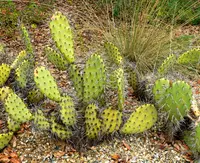
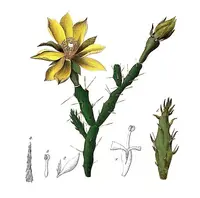
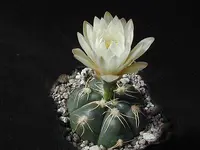
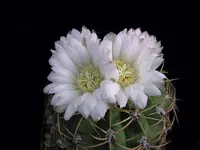
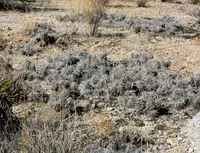
Matted cholla, Grusonia parishii, is a small, low-growing cactus that forms dense, spiny mats close to the ground. Its joints are short, heavily armed with sharp spines, and can detach easily.

This species is native to arid desert regions of the southwestern United States, where it grows in rocky, well-drained soils under strong sun. It is drought-tolerant and slow-growing, which can make it long-lived but also slow to recover from damage.

Because of its strong spines and need for very dry, fast-draining conditions, it suits patient growers who are comfortable handling desert cacti and learning how to care for matted cholla.

Main Plant Requirements

Care Difficulty

Moderate Care

Light Preference

Full Sun

Water Requirements

Low Water

Temperature Preference

Warm Climate

Hardiness Zone

8–10

Soil Texture

Sandy, Rocky, Loamy

Soil pH

Slightly acidic (6.5–7.0), Neutral (7.0)

Soil Drainage

Well-drained

Fertilization

Minimal (feed rarely)

Get Personalized Care Plan

Scan your plant to receive care tips personalized for your specific plant

Available on iOS and Android

How to Care for the matted cholla

Grusonia parishii thrives in strong desert-like light but still benefits from some daily protection from harsh extremes.

  • Provide 6–8 hours of direct sun daily; full sun is ideal in spring and fall, with open southern or western exposure in most climates.
  • In very hot regions, give matted cholla light afternoon shade or filtered sun after 2–3 p.m. to reduce scorch risk on new segments.
  • Watch for pale, elongated joints as a sign of insufficient light, and brown, crispy patches or bleached areas as indicators of excessive sun intensity.

Watering for this desert cactus should imitate infrequent, soaking rains followed by thorough drying.

  • During active growth in spring and early summer, water only when the top 5–8 cm of soil are completely dry and the pads feel firm but not swollen.
  • Use sharply draining, gritty soil and raised beds or mounds so water runs off quickly, which reduces root rot risk for Grusonia parishii.
  • In late fall and winter, water very sparingly or not at all, watching for slight pad wrinkling as a safe prompt to give a light drink.

This species is adapted to hot, arid climates and can tolerate notable temperature swings if kept dry.

  • Aim for peak growing temperatures around 75–90°F (24–32°C), with warm, bright conditions and low humidity for best stem development.
  • Mature plants can endure brief drops to about 10–15°F (-12 to -9°C) if soil is dry, but young plants are safer above 25°F (-4°C).
  • Heat tolerance is high up to 100–110°F (38–43°C) with airflow, though extended extreme heat combined with high humidity increases rot risk.

This cactus prefers very dry air and rarely suffers from low indoor humidity.

  • Target 20–40% relative humidity, similar to arid desert conditions, for stable growth.
  • Dry, firm joints indicate appropriate humidity, while soft, pale, or moldy pads suggest air that is too damp.
  • If humidity regularly exceeds 50%, increase air movement with a fan and space plants apart to reduce stagnant, moist air pockets.

This desert cactus needs a very fast-draining, mineral-based soil to prevent root and stem rot.

  • Use a gritty mix of 60–70% coarse sand or small gravel with 30–40% cactus potting mix for structure and minimal organic matter.
  • Aim for slightly acidic to neutral pH around 6.0–7.0, avoiding strongly acidic or alkaline substrates that can limit nutrient uptake.
  • Improve aeration by adding extra pumice or perlite so water runs through in seconds rather than pooling in the container or tray.
  • Avoid peat-heavy or compact, loamy soils that stay damp, as Grusonia parishii is highly sensitive to prolonged moisture around the roots.

This species is suitable for container growing when the pot and setup mimic its dry, well-drained native conditions.

  • Choose a wide, shallow, heavy pot to support its low, spreading, matted cholla growth and reduce tipping risk outdoors.
  • Use a container material like unglazed terracotta that speeds evaporation and helps the gritty mix dry between waterings.
  • Raise the pot on feet or mesh over the drainage holes so runoff escapes quickly and no water collects under the base.

Grusonia parishii is a low-nutrient desert cactus and only needs light feeding during active growth.

  • Use a diluted balanced cactus fertilizer (around 10-10-10 NPK) or low-nitrogen succulent feed at 1/4–1/2 strength.
  • Apply once in late spring and once in mid-summer during warm, active growth; avoid feeding in winter dormancy.
  • Ensure soil is already moist before feeding to prevent root burn in this sensitive desert species.
  • For matted cholla in very lean mineral mixes, a tiny amount of slow-release cactus fertilizer can support growth.

Grusonia parishii rarely needs structural pruning and is usually trimmed only for health and safety.

  • Best time for light pruning is late spring to early summer when growth is active and wounds heal faster.
  • Remove dead, shriveled, diseased, or broken pads and any segments that crowd or trap debris.
  • Use long-handled tongs and sharp, disinfected pruners or a knife to avoid damage and reduce infection risk.
  • Targeted pruning controls spread and keeps pads from rooting where not wanted, while preserving the natural clumping form.

Container-grown plants and small outdoor clumps need infrequent but careful transplanting to limit stress.

  • Consider transplanting when roots circle the pot, drainage slows, or growth declines despite proper light and watering.
  • Plan moves for late spring to early summer, every 3–5 years in containers or only when outdoor plants outgrow their space.
  • Use a shallow, wide pot or raised, very gritty bed; handle pads with tongs and keep roots as intact as possible.
  • Let roots dry for 2–3 days after transplanting, then water lightly to encourage new root growth without rot.

This cactus is commonly propagated from segments and less often from seed in warm seasons.

  • Take healthy stem segments in late spring or early summer and let cut ends callus in a dry, shaded place for 7–10 days.
  • Plant callused segments upright in a sterile, very gritty mix and keep barely moist, never wet, until roots form.
  • Provide bright light, warmth around 75–85°F, and good airflow to discourage rot while roots develop.
  • For seed, sow on the surface of well-drained mix, maintain gentle warmth and light, and keep slightly moist until germination.

This desert cactus is relatively cold hardy when kept dry but still benefits from thoughtful winter care.

  • Established outdoor plants tolerate brief drops near 10–15°F in very sharp-draining soil kept almost completely dry.
  • In colder or wetter climates, use gravel mulch around the base to keep pads off wet soil and insulate roots.
  • Move container plants under cover or indoors to a bright, cool, dry spot before hard freezes and prolonged wet periods.

Care Tips

Use deep containers

Plant in a wide, deep pot or bed with at least 15–20 cm of root zone so the sprawling pads can anchor firmly and avoid toppling or being dislodged by wind or handling.

Gravel collar barrier

After planting, top-dress the soil with a 2–3 cm collar of coarse gravel around the base to keep pads off damp soil, reduce rot risk, and discourage fungus gnats.

Secure loose pads

If a pad detaches, let the wound callus for 5–7 days in a dry, shaded place, then lay it on barely moist, gritty mix and lightly pin it in place with bent wire or small stones until roots form.

Cold and wet management

In regions with winter rain, place containers under an overhang or use a simple cold frame so the plant stays almost completely dry while still experiencing cool temperatures.

Safe handling setup

When caring for matted cholla, keep a dedicated pair of long, rigid tongs and thick gloves nearby and line the work surface with a piece of cardboard so fallen spines can be collected and discarded easily.

Common Pests and Diseases

Cochineal scale

This pest forms white, cottony clusters along pads and joints and feeds on plant sap, causing yellowing and weak growth.

Solution

Remove affected joints if heavily infested, then hose the plant with a strong jet of water to dislodge remaining insects; for persistent colonies, dab individual pads with isopropyl alcohol on a cotton swab or apply a targeted insecticidal soap or horticultural oil on cool, shaded days to avoid pad burn.

Cactus longhorn beetle

This pest chews notches in stems and joints and its larvae tunnel inside, leading to hollow, collapsing segments.

Solution

Hand-pick and destroy adult beetles at dusk or early morning, remove and discard any bored-out or collapsing segments, and reduce nearby debris or dense groundcover that provides shelter, using fine-mesh barriers around small plants if beetle pressure is high.

Spider mites

These insects are tiny and often unnoticed at first, but cause stippled, dull pads and fine webbing in dry, hot conditions.

Solution

Spray joints thoroughly with a firm stream of water to knock mites off, then increase local humidity slightly around container plants and use insecticidal soap or a light horticultural oil, repeating applications as labeled until new growth appears clean.

Fungal stem canker

This disease produces sunken, corky or dark lesions on segments that may expand, girdling joints and causing them to shrivel and detach.

Solution

Prune several centimeters below visible lesions with sterile tools, discard all diseased material, and improve conditions by providing sharper drainage, strong light, and very infrequent watering; in outdoor plantings, avoid overhead irrigation and increase spacing for better airflow, as chemical fungicides are rarely needed in dry climates.

Interesting Facts

Extreme desert specialist

This cactus is native to some of the hottest, driest parts of the Mojave and Sonoran deserts, where it survives on minimal rainfall and intense sun that would kill many other succulents.

Low, matted growth

Instead of forming tall columns, this species grows as sprawling, prostrate pads that root as they spread, creating dense, ground-hugging mats adapted to wind, sand, and temperature extremes.

Sand-sticking spines

Its barbed spines readily trap windblown sand and debris, which can help shade stem surfaces, reduce water loss, and partially insulate the plant from rapid temperature swings.

Botan icon

Did you know?

Grusonia parishii often grows partly buried in shifting desert sand, with only portions of its segmented stems visible at the surface, an unusual habit among cacti that helps protect tissues from intense heat and UV radiation while still allowing photosynthesis.

FAQs about matted cholla

This species forms low, matted clumps that slowly expand outward as joints root along the soil surface. It can cover a modest area over time but is not considered invasive in typical dry, well-managed gardens.

Grow Healthy Plants with Botan Care

Keep your plants happy and healthy with plant identification, disease detection, and easy care guidance.

Botan plant care app — identify plants on mobile

Explore More Plants