coastal pricklypear Care (Opuntia littoralis)

coastal pricklypear

About coastal pricklypear

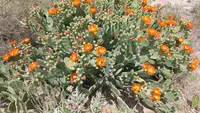
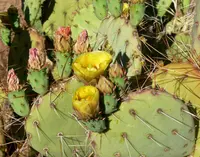
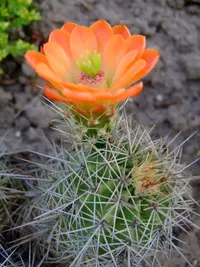
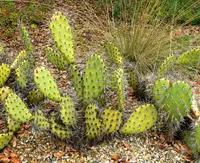
Coastal pricklypear, Opuntia littoralis, is a low, spreading cactus native to coastal southern California and Baja California. It typically forms dense clumps of flat, oval pads with clusters of sharp spines. Yellow to orange flowers appear along the pad edges, followed by fleshy, often reddish fruits that feed wildlife and add seasonal interest. This species is adapted to dry, sandy or rocky soils, salt-laden winds, and strong sun, which makes it resilient in coastal and arid gardens. Once established, it is drought-tolerant and generally low-maintenance, so learning how to care for coastal pricklypear is mostly about avoiding excess water and poor drainage.

Main Plant Requirements

Care Difficulty

Easy Care

Light Preference

Full Sun

Water Requirements

Low Water

Temperature Preference

Warm Climate

Hardiness Zone

8–11

Soil Texture

Sandy, Loamy, Rocky

Soil pH

Slightly acidic (6.5–7.0), Neutral (7.0)

Soil Drainage

Well-drained

Fertilization

Minimal (feed rarely)

Get Personalized Care Plan

Scan your plant to receive care tips personalized for your specific plant

Available on iOS and Android

How to Care for the coastal pricklypear

This coastal pricklypear thrives in strong, direct sun typical of its native coastal scrub habitats.

  • Provide 6–10 hours of direct sun daily; full, all-day sun is ideal in mild coastal climates.
  • In hotter inland sites, give full morning sun with light afternoon shade to reduce pad scorching and sunburn, especially on young plants.
  • Plants tolerate light partial shade but may grow thinner pads and flower less; ensure at least 4 hours of direct sun, especially from spring to early fall.

This drought-adapted cactus prefers infrequent, deep watering and very fast-draining soil.

  • Outdoors in the ground, water only when the top 5–8 cm of soil are completely dry and pads begin to look slightly less plump.
  • During active growth in spring–early summer, soak the root zone thoroughly, then let soil dry fully; reduce watering sharply in late summer and keep nearly dry in winter.
  • Ensure gritty, sharply draining soil or rocky slope conditions; pale, mushy pads and blackened bases indicate overwatering, while severe wrinkling signals prolonged drought.

This cactus favors warm, dry conditions and handles a wide temperature range when kept on the dry side.

  • Optimal growth occurs around 70–90°F (21–32°C), especially in late spring and summer, with plenty of sun and low humidity.
  • Established plants tolerate brief drops to about 20–25°F (-6 to -4°C) if soil is dry, but young specimens are more cold-sensitive and benefit from protection.
  • Heat tolerance is high, often 100–110°F (38–43°C), provided there is some air movement; prolonged cold, wet conditions greatly increase rot risk.

This cactus handles low humidity well and rarely needs special moisture in the air.

  • Target 20–40% humidity, similar to a dry indoor room or arid outdoor climate.
  • Coastal pricklypear tolerates very dry air, but prolonged damp air with poor airflow can promote rot.
  • If pads wrinkle while soil is moist and air is extremely dry, increase airflow and slightly raise humidity with nearby water trays rather than misting.

Opuntia littoralis needs very fast-draining, mineral-heavy soil to prevent root and stem rot.

  • Use a gritty mix such as 50–70% mineral components (pumice, coarse sand, small gravel) blended with 30–50% cactus potting mix.
  • Aim for slightly acidic to neutral pH, roughly 6.0–7.5, avoiding strongly acidic or alkaline conditions.
  • Improve aeration by adding coarse, angular particles rather than fine sand, which can compact and slow drainage.
  • Avoid dense, peat-heavy or clayey soil that stays wet, as this suffocates roots and encourages fungal problems.

This species grows well in containers when the pot is chosen for drainage and stability.

  • Select a wide, low container to counterbalance its spreading, pad-forming growth and reduce tipping in wind.
  • Choose unglazed clay if extra evaporation is needed, since it allows moisture to leave the root zone faster than plastic.
  • Raise the pot on feet or bricks so water can exit drainage holes freely and not pool under the container.

This coastal native cactus needs very modest feeding in cultivation, especially in lean, sandy soils.

  • Use a low-dose, balanced NPK cactus fertilizer or very light compost top-dressing in spring as growth begins.
  • Feed once at the start of the warm growing season; a second light application in mid-summer is usually enough.
  • Dilute liquid products to 25–50% strength to avoid excess nitrogen, which encourages weak, lush pads.
  • Withhold fertilizer in fall and winter, when growth slows and Opuntia littoralis is partly dormant.

Pruning Opuntia littoralis is mainly done to control size, improve form, and remove damaged pads.

  • Plan structural pruning for late winter to early spring, before the main growth and flowering flush.
  • Remove dead, diseased, storm-damaged, or rubbing pads at the joint using clean, sharp loppers or a pruning saw.
  • Thin crowded areas to improve light and air flow, which supports healthier pads and better flowering.
  • Shape the plant gradually over several seasons, avoiding removal of more than 20–25% of pad mass at one time.

This species is usually grown in the ground, so transplanting is more common than container repotting.

  • Transplant in late spring to early summer, once soils are warm and the risk of prolonged rain or frost has passed.
  • Look for roots circling a pot, water running straight through, or stalled growth as signs a container plant needs more space.
  • Plan on moving container-grown plants only every 3–5 years, stepping up 2–5 cm in pot diameter each time.
  • Minimize root stress by keeping the root ball intact, handling pads with thick gloves, and watering lightly after replanting into fast-draining, gritty soil.

Most home growers rely on pad cuttings to increase Opuntia littoralis plants.

  • Take healthy, mature pads in late spring or early summer and let cut surfaces dry and callus for 7–14 days.
  • Set callused pads upright in a shallow, sharply draining cactus mix, burying the base 2–3 cm deep.
  • Keep in bright light with warm temperatures (70–85°F) and barely moist soil until roots form.
  • Seed propagation is possible but slower; sow cleaned seeds in a gritty mix and maintain consistent, light moisture and warmth.

This coastal pricklypear is moderately cold tolerant but benefits from simple winter precautions in colder regions.

  • Established in-ground plants usually tolerate brief drops to about 20°F if soil drains well.
  • Apply a light, gritty mulch around the root zone in fall to limit freeze–thaw stress without trapping excess moisture.
  • In very cold or wet climates, grow in containers and move plants to a cold, bright, frost-free space for winter.

Care Tips

Pad propagation hygiene

When taking pad cuttings, use a clean, sharp knife, let the cut end callus in a dry, shaded spot for 7–10 days, then plant upright in gritty mix to greatly reduce rot risk and improve establishment.

Stabilize heavy pads

As clumps mature and pads elongate, use discreet rock placement or low, open wire supports to keep heavy joints off wet soil and prevent mechanical breakage at the narrowed pad junctions.

Reflective heat management

In very hot inland sites, place light-colored rock mulch around the base to reflect light onto lower pads while also buffering soil temperature and reducing splash that can spread fungal spores.

Targeted pest monitoring

Check joints and pad undersides monthly for cochineal scale; if found, first blast pads with a firm stream of water, then spot-treat remaining clusters with cotton swabs dipped in 70% isopropyl alcohol rather than spraying broad-spectrum insecticides.

Safe harvesting practices

When harvesting fruits or pads, wear thick gloves and use long tongs, then immediately brush or rinse off glochids (fine barbed hairs) outdoors to keep them from spreading onto walkways and handling areas while growing coastal pricklypear.

Common Pests and Diseases

Cochineal scale

This pest forms white, cottony clusters on pads and produces red carmine dye when crushed. Symptoms include sticky pads, yellowing tissue, and weakened new growth.

Solution

Remove heavily infested pads and dispose of them in the trash, not compost. For light infestations, spray pads forcefully with water to dislodge insects, then treat remaining clusters with a cotton swab dipped in isopropyl alcohol; in dry climates, improve air movement and avoid overhead watering to reduce spread.

Soft scale

These insects appear as small, tan to brown dome-shaped bumps tightly attached to the pads, often causing honeydew and sooty mold on the surface. This pest slowly weakens plants and can distort new pads.

Solution

Prune and discard badly affected pads to reduce the population. On remaining pads, gently scrub with a soft brush and dilute soapy water, rinse thoroughly, and repeat as needed; in landscapes, encourage natural predators such as lady beetles by avoiding broad-spectrum insecticides.

Phyllosticta pad spot

This disease causes circular, sunken gray to tan spots with darker margins on pads, sometimes coalescing into large, corky areas. Symptoms include aesthetic damage and, in severe cases, partial pad dieback.

Solution

Cut off and discard infected pads to remove the main source of spores, and avoid overhead irrigation that keeps pads wet. Improve spacing and airflow around plants, and in humid regions consider applying a copper-based fungicide as a preventive measure during warm, wet periods.

Fusarium stem canker

This disease starts as small, discolored lesions on pads or joints that expand into sunken, dark cankers, sometimes leading to pad collapse. Symptoms include shriveling above the lesion and brown or reddish internal tissue when cut open.

Solution

Remove affected joints several cm below visible symptoms using a sterile, sharp tool, then discard all diseased material. Keep the plant in a dry, well-drained site, avoid wounding pads, and sterilize tools between cuts with alcohol or a 10% bleach solution to limit spread.

Cactus longhorn beetle

This pest is a large dark beetle whose larvae tunnel inside pads and stems, causing internal decay and sudden pad collapse. Symptoms include entry holes, frass (sawdust-like waste), and sections of the plant that wilt or break off easily.

Solution

Inspect plants regularly at dusk and hand-remove adult beetles before they lay eggs, destroying them away from the planting area. Prune and discard any tunneled or collapsing pads, and in areas with repeated problems consider physical barriers or relocating young plants away from wild cactus stands to reduce re-infestation while following Opuntia littoralis care instructions for exposure and drainage.

Interesting Facts

Coastal bluff specialist

This species is naturally restricted to the immediate coastal zone of southern California and northern Baja California, where it grows on rocky bluffs, maritime chaparral, and coastal sage scrub exposed to salty winds.

Distinctive violet fruits

Its fleshy, spiny fruits often ripen to a dull red or purplish-violet color and were historically eaten fresh or dried by Indigenous peoples of the region after careful de-spining.

Hybridizing hedge-former

In coastal southern California, it frequently forms dense, nearly impenetrable thickets and readily hybridizes with related coastal prickly pears, especially Opuntia oricola, creating complex hybrid swarms in the wild.

Botan icon

Did you know?

The species was a key structural component of the now-fragmented coastal sage scrub community in southern California, and its decline along with that habitat has direct consequences for specialized wildlife such as the coastal cactus wren, which depends on these cacti for nesting sites and protection from predators.

FAQs about coastal pricklypear

Lack of flowers usually comes from insufficient light, overfertilizing with high nitrogen, or very young pads. Ensure full sun, avoid frequent feeding, and do not remove all new pads during pruning if you want blooms.

Grow Healthy Plants with Botan Care

Keep your plants happy and healthy with plant identification, disease detection, and easy care guidance.

Botan plant care app — identify plants on mobile

Explore More Plants