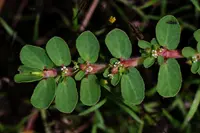
shrubby purslane Care (Portulaca suffrutescens)

shrubby purslane

About shrubby purslane

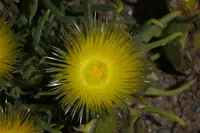
Portulaca suffrutescens, commonly called shrubby purslane, is a small, sun-loving succulent subshrub from arid regions of the southwestern United States and northern Mexico. It naturally grows in rocky, well-drained habitats. The plant forms low, woody clumps with fleshy, narrow leaves and small, bright flowers that open in good light. Its compact form makes it suitable for dry borders, rock gardens, and containers. Shrubby purslane is generally low-maintenance if given strong light, sharp drainage, and infrequent watering. These traits make it easier to care for shrubby purslane than many thirstier ornamental plants, provided excess moisture is avoided.

Main Plant Requirements

Care Difficulty

Easy Care

Light Preference

Full Sun

Water Requirements

Low Water

Temperature Preference

Tropical / Frost Sensitive

Hardiness Zone

10–11

Soil Texture

Sandy, Loamy, Rocky

Soil pH

Slightly acidic (6.5–7.0), Neutral (7.0)

Soil Drainage

Well-drained

Fertilization

Minimal (feed rarely)

Get Personalized Care Plan

Scan your plant to receive care tips personalized for your specific plant

Available on iOS and Android

How to Care for the shrubby purslane

This sun-loving succulent thrives with strong, direct light for compact, floriferous growth.

  • Provide 6–8 hours of direct sun daily; full morning and midday sun suit shrubby purslane best in most climates.
  • Tolerates light afternoon shade in very hot regions, which helps prevent leaf scorch and prolonged wilting during heat waves.
  • In cooler seasons or coastal areas, choose the brightest, most open spot; sparse flowering and stretched stems indicate insufficient light and the need to move it sunnier.

This drought-tolerant species prefers infrequent, deep watering that allows the soil to dry between soakings.

  • Water only when the top 3–5 cm of soil are completely dry; leaves should look firm, not shriveled or translucent.
  • Use very well-drained, sandy or gritty soil so water runs through quickly; standing water or a swampy surface leads to root rot in Portulaca suffrutescens.
  • In hot summer, drying happens faster, so check soil every few days; in cooler months, expect longer gaps, and watch for yellowing, mushy stems as a sign of overwatering.

This plant prefers warm, dry conditions and does poorly in cold or prolonged damp weather.

  • Aim for 70–90°F (21–32°C) for strongest growth and flowering, with good airflow to reduce fungal issues in humid climates.
  • Protect from temperatures below 40°F (4°C); light frost can damage foliage and repeated freezes usually kill the plant to the roots.
  • Handles short spikes up to 100–105°F (38–41°C) if soil is fast-draining; in extreme heat, brief late-afternoon shade reduces stress and flower drop.

Humidity is not a significant factor for Portulaca suffrutescens, which thrives in dry air.

This species prefers very fast-draining, sandy soil that mimics arid, rocky habitats.

  • Use a cactus or succulent mix amended with 20–40% sharp sand or fine grit to increase drainage.
  • Aim for slightly acidic to neutral pH around 6.0–7.2, avoiding strongly acidic or alkaline substrates.
  • Keep the mix lean, adding only a small amount of compost since excess organic matter holds too much moisture.
  • Avoid heavy clay, peat-heavy, or compacted soils that stay wet or smear when squeezed, as roots rot easily.

This plant is well suited to container growing, especially in hot, sunny spots.

  • Choose a wide, shallow pot to match its spreading, shallow-rooting habit and prevent wasted depth that stays damp.
  • Select unglazed terracotta if rapid moisture loss is desired in humid or rainy climates, as it allows evaporation through the pot walls.
  • Elevate the container slightly on pot feet or bricks so drainage holes stay clear and water cannot pool under the base.

This drought-tolerant succulent needs only light feeding to maintain compact growth and flowering.

  • Use a balanced, low-strength liquid fertilizer (around 10-10-10) diluted to 1/4–1/2 strength for shrubby purslane in containers.
  • Feed once every 4–6 weeks during the warm growing season if growth or flowering slows.
  • Avoid heavy organic compost or high-nitrogen products that can cause weak, lush growth and fewer blooms.
  • Stop feeding in late fall and during winter dormancy, especially for indoor or overwintered plants.

Light pruning keeps Portulaca suffrutescens dense, tidy, and flowering well.

  • Best time is late spring through midsummer, when plants are actively growing and quickly recover.
  • Pinch or trim back leggy, stretched stems by 3–5 cm to encourage branching and a fuller mat.
  • Remove dead, damaged, or tangled stems with clean scissors or small pruning snips to improve airflow.
  • Shear lightly after a main flush of blooms to stimulate new growth and more flowers.

This succulent is shallow-rooted and prefers minimal disturbance, but benefits from timely transplanting when crowded.

  • Transplant in late spring after frost risk, when roots circle the pot, growth slows, or soil dries almost instantly.
  • Plan on moving container plants only every 2–3 years into a slightly larger, free-draining pot or bed.
  • Water lightly 1–2 days before moving, then slide the root ball out gently to limit root breakage.
  • Replant at the same depth in gritty soil, firm gently, water once, then keep slightly dry for several days to reduce stress.

Portulaca suffrutescens is commonly multiplied by stem cuttings and seeds under warm, bright conditions.

  • Take 5–8 cm non-flowering stem cuttings in late spring or summer and let cut ends dry for 1–2 days.
  • Place callused cuttings in a gritty, barely moist mix and keep in bright light with 70–80°F temperatures.
  • Sow fresh seeds on the surface of sandy soil, pressing lightly without burying, and keep evenly slightly moist.
  • Provide high light and good air movement; avoid overwatering, which slows rooting and encourages rot.

This warm-season succulent is frost sensitive and needs simple measures in cold climates.

  • Tolerates only light, brief chills; kill or severe damage occurs with hard frost and prolonged freezes.
  • In mild climates, use a thin gravel or coarse sand mulch around the crown to drain water away in winter.
  • Move container plants indoors or into a bright, frost-free space when temperatures approach 32°F.
  • Keep winter water very light, allowing soil to dry almost fully between waterings to prevent root rot.

Care Tips

Encourage Compact Growth

Pinch back soft stem tips every few weeks during active growth to keep plants dense and low, which reduces lodging and creates a fuller mat of foliage and flowers.

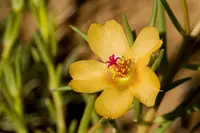
Use Gravel Mulch

Apply a 0.5–1 in layer of coarse sand or fine gravel around the base to keep stems dry at the soil line, suppress weeds, and mimic the plant’s natural, well-drained habitat.

Optimize Container Depth

Choose shallow, wide containers (no deeper than 10–15 cm) with multiple drainage holes, which encourages lateral spread and prevents overly wet root zones.

Rotate For Even Coverage

Turn pots or rearrange tray plantings by 90° every 1–2 weeks so stems receive light from different angles, helping maintain even groundcover without bare patches on the shaded side.

Plan For Reseeding

If growing shrubby purslane as an annual, leave some spent flowers to set seed in place so seedlings can appear the following warm season without replanting.

Common Pests and Diseases

Aphids

These insects cluster on tender stems and flower buds, sucking sap and causing distortion, sticky honeydew, and reduced flowering. This pest tends to appear during warm, dry weather when growth is soft and new.

Solution

Rinse colonies off with a firm stream of water, then spot-treat remaining insects with insecticidal soap or a dilute neem oil spray, applied in the early morning or evening. Encourage natural predators such as lady beetles outdoors and avoid high nitrogen fertilization that promotes very soft growth when following Portulaca suffrutescens plant care guidelines.

Spider mites

These pests thrive in hot, very dry conditions, causing fine stippling on leaves, dull foliage, and sometimes delicate webbing between stems. Symptoms include slowed growth and leaves that yellow or drop prematurely.

Solution

Increase humidity around the plant slightly without overwatering soil, then hose down foliage to remove mites and webs. Follow with repeated applications of insecticidal soap or horticultural oil on both leaf surfaces every 5–7 days until new growth appears clean.

Mealybugs

These insects appear as white, cottony clusters in stem joints and on roots, causing wilting, stunting, and sticky honeydew that may attract sooty mold. This pest often hides in tight crevices, making early infestations easy to miss.

Solution

Isolate affected plants, then dab visible mealybugs with cotton swabs dipped in 70% isopropyl alcohol and rinse the plant after treatment. For heavier infestations, use repeated sprays of insecticidal soap or neem oil and check the root zone when repotting, discarding heavily infested soil.

Botrytis blight

This disease causes soft, water-soaked spots on stems, flowers, and leaves that quickly develop fuzzy gray mold in humid, overcrowded conditions. Symptoms include collapse of affected tissue and premature flower loss.

Solution

Remove and discard all infected plant parts and spent flowers, then improve air circulation and avoid wetting foliage when watering. In persistent cases, thin dense growth, space plants farther apart, and apply a labeled fungicide as a spot treatment during prolonged wet, cool periods.

Damping-off and seedling blight

This disease affects young seedlings, causing them to collapse at the soil line, wilt suddenly, or fail to emerge. Symptoms include dark, constricted stems and mushy roots in poorly drained, overwatered propagation media.

Solution

Use sterile, well-draining seed-starting mix, clean containers, and avoid overwatering or covering trays so tightly that air cannot circulate. Discard affected seedlings and soil, then re-sow using bottom watering, good airflow, and moderate warmth to reduce fungal spread.

Interesting Facts

Arizona Sky Island specialist

This species is naturally restricted to high-elevation grasslands and rocky slopes in southeastern Arizona and adjacent northern Mexico, especially in so-called sky island mountain ranges where cooler, drier uplands rise out of desert lowlands.

Woody, not just succulent

Unlike many annual Portulaca species, it forms a low, woody subshrub with persistent branches that survive from year to year, combining succulent foliage with a semi-woody framework adapted to seasonal drought.

Twisted capsule seeds

Its fruits are dry capsules that split open to release small, dark seeds, and the slightly twisted, roughened capsule surface is one of the features botanists use to distinguish it from closely related Portulaca species.

Botan icon

Did you know?

In its native range this plant is considered of conservation concern in some areas because it occupies relatively specialized upland habitats, so wild populations can be vulnerable to land-use change and grazing pressure despite the species’ toughness as a drought-adapted subshrub.

FAQs about shrubby purslane

Growth is moderately fast during warm, bright months, forming a low, branching mound over one season. In cooler or low-light conditions it slows noticeably. Container size, fertility, and consistent light all influence how quickly it fills in.

Grow Healthy Plants with Botan Care

Keep your plants happy and healthy with plant identification, disease detection, and easy care guidance.

Botan plant care app — identify plants on mobile

Explore More Plants