Hechtia perotensis Care

Hechtia perotensis

About Hechtia perotensis

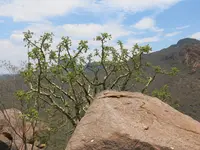
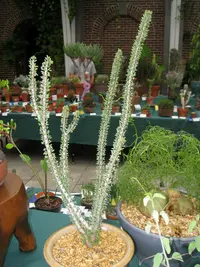
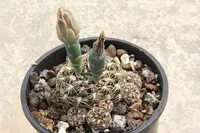
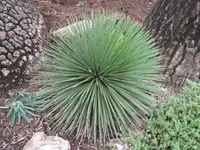
Hechtia perotensis is a terrestrial bromeliad native to arid and rocky areas of Mexico. It forms tight rosettes of stiff, spiny leaves with a strong architectural look. Mature plants can develop tall flower stalks with many small, pale blooms, followed by ornamental seed structures. Growth is slow to moderate, and the plant tolerates heat, sun, and drought once established, which makes it relatively low-maintenance for those who understand desert-type care. It prefers bright light, very sharp drainage, and infrequent but deep watering, so learning how to care for Hechtia perotensis is mainly about avoiding excess moisture.

Main Plant Requirements

Care Difficulty

Moderate Care

Light Preference

Full Sun

Water Requirements

Low Water

Temperature Preference

Warm Climate

Hardiness Zone

9–11

Soil Texture

Sandy, Rocky, Loamy

Soil pH

Slightly acidic (6.5–7.0), Neutral (7.0)

Soil Drainage

Well-drained

Fertilization

Minimal (feed rarely)

Get Personalized Care Plan

Scan your plant to receive care tips personalized for your specific plant

Available on iOS and Android

How to Care for the Hechtia perotensis

This terrestrial bromeliad thrives in strong light that mimics open, rocky habitats.

  • Provide 6–8 hours of direct sun daily outdoors, ideally full morning sun with some protection from harsh late-afternoon summer sun in very hot regions.
  • It tolerates light partial shade (bright dappled light for 4–5 hours), but rosettes may elongate and color can dull if light is too low.
  • Monitor leaves for stress: pale, scorched, or crispy tips indicate excessive sun; soft, stretched, or dark lush growth suggests insufficient light.

This drought-tolerant succulent bromeliad prefers deep, infrequent watering and fast drainage.

  • Allow the soil to dry thoroughly between waterings; in most climates, water only when the top 5–8 cm feels completely dry and the pot or bed feels light.
  • Use a very gritty, fast-draining mix or rocky soil so water drains within seconds; standing water or heavy clay strongly increases root and crown rot risk.
  • In active warm-season growth, water more deeply but still infrequently; in winter, reduce watering sharply, watching for slight leaf curl as a sign to water.

This species prefers warm, dry conditions and handles heat better than cold.

  • Aim for 70–90°F (21–32°C) during the growing season, which supports steady growth and maintains compact rosettes.
  • It tolerates brief heat up to about 100°F (38°C) if soil is very free-draining and airflow is good, but avoid reflected heat from walls or pavement that can scorch leaves.
  • Protect from cold below 40°F (4°C); prolonged exposure near freezing can damage tissue, and hard frost can kill the growing center.

This species is highly drought-adapted and humidity is rarely a limiting factor in Hechtia perotensis care.

  • Target 30–50% relative humidity, similar to a dry indoor room or arid outdoor climate.
  • It tolerates very dry air but may show slight leaf-tip browning if combined with prolonged underwatering.
  • If foliage shrivels or leaf edges crisp, lightly mist around the plant or group it with others to raise local humidity.

Hechtia perotensis needs a sharply draining, mineral-based substrate that mimics rocky, arid slopes.

  • Use a gritty mix such as 50–60% inorganic material (pumice, coarse sand, small gravel, perlite) blended with 40–50% coarse, low-peat potting mix.
  • Aim for slightly acidic to neutral pH, roughly 6.0–7.0, which suits most general-purpose mixes with added grit.
  • Ensure water runs through in seconds; if it lingers or the mix compacts, increase coarse particles to improve aeration and drainage.
  • Avoid heavy clay, high-peat, or water-retentive mixes, which promote root rot and reduce oxygen around the root zone.

This species adapts well to container culture when planted in a stable, fast-draining setup.

  • Choose a wide, low pot to support the spiny rosette and prevent tipping as the plant enlarges.
  • Use a heavy material such as terracotta or ceramic if growing outdoors in windy spots to improve stability.
  • Fill the pot so the crown sits slightly above the rim, helping excess water shed away from the center of the rosette.

Nutrient needs are low, but light feeding can support growth of Hechtia perotensis in pots or poor soils.

  • Use a balanced, dilute liquid fertilizer (around 10-10-10) at 1/4–1/2 strength during active growth in spring–summer.
  • Apply every 4–6 weeks only if the plant shows pale foliage or very slow growth.
  • Avoid rich compost or heavy organic feeds that hold excess moisture around the roots.
  • Stop feeding in fall–winter, when growth slows, to prevent weak, etiolated tissue.

Pruning needs are minimal and mainly focus on tidying and maintaining a safe rosette.

  • Best time for pruning is late winter to early spring, before strong new growth begins.
  • Remove dead, dried, or damaged leaves at the base with sharp pruners or sturdy scissors.
  • Trim sharply spined leaf tips if needed to reduce risk of injury, without cutting into healthy tissue.
  • Clearing old foliage improves airflow and reduces hiding spots for pests around the rosette.

Container-grown plants benefit from infrequent but careful repotting to maintain drainage and root health.

  • Look for roots circling the pot, slow growth despite good light, or rapid drying as signs it needs a larger container.
  • Plan to repot every 3–4 years in late spring, when active growth supports faster recovery.
  • Move into a pot only 2–3 cm wider, using a very gritty, mineral mix to limit water retention.
  • Minimize root disturbance, keep the crown above soil level, and water lightly for 1–2 weeks to reduce stress.

Propagation is most practical through offsets, which form around the base of mature rosettes.

  • Separate pups in late spring–summer, when temperatures are warm and growth is active.
  • Use a clean, sharp knife to cut offsets with some roots attached, then allow cut surfaces to dry for 1–2 days.
  • Plant in a gritty, fast-draining mix, burying only the roots and keeping the rosette slightly raised.
  • Provide bright light, good airflow, and very light watering until new growth indicates successful establishment.

This species is moderately cold tolerant but benefits from thoughtful winter management in cooler climates.

  • In-ground plants in mild regions often tolerate brief dips near freezing if soil drains well.
  • Apply a light gravel or mineral mulch to keep the crown dry rather than warm.
  • Move containers under cover or indoors before hard frost, giving bright light and sparse watering.
  • Avoid wet soils combined with low temperatures, which greatly increase root and crown rot risk when growing Hechtia perotensis.

Care Tips

Container weight choice

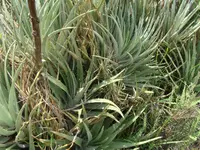
Use a heavy, low terracotta or concrete pot to counterbalance the rosette’s outward growth and reduce the risk of the spiny plant tipping over as it matures.

Safe handling method

Wear sturdy gloves and use kitchen tongs or a folded towel to grip the base when repotting or removing offsets so you avoid injury from the stiff marginal spines.

Offset management

Leave small offsets attached until they have several strong roots, then separate with a clean, sharp knife and pot individually to maintain the parent’s shape and obtain well‑established new plants.

Rock mulch layer

Apply a thin top layer of coarse gravel or lava rock around the crown to keep leaves clean and dry at the base, reduce rot risk, and mimic the rocky habitats typical when growing Hechtia perotensis.

Cool season rest

During late fall and winter, slightly reduce watering and avoid repotting or heavy disturbance to allow a natural semi‑rest period that supports stronger growth in the following warm season.

Common Pests and Diseases

Mealybugs

This pest often hides in leaf rosettes and along the leaf bases, sucking sap and leaving white cottony clusters and sticky honeydew. Symptoms include slow growth, leaf yellowing, and sooty mold growing on the honeydew in humid conditions.

Solution

Isolate the plant, then remove visible insects with a cotton swab dipped in 70% isopropyl alcohol and rinse the rosettes thoroughly with a strong stream of water. For persistent infestations, use a horticultural soap or neem oil spray directed into the leaf bases every 7–10 days until no new insects appear, and avoid overfertilizing, which encourages soft, pest-prone growth.

Scale insects

These insects attach firmly to the stiff leaves and leaf axils, appearing as small brown or tan bumps that do not rub off easily. Symptoms include loss of vigor, localized yellow patches on leaves, and sticky honeydew on nearby surfaces.

Solution

Gently scrape or wipe off scales with a soft brush or cloth dipped in 70% isopropyl alcohol, then rinse the plant thoroughly. Follow with a horticultural oil spray that coats the insects, repeating every 10–14 days as needed, and maintain bright, airy conditions to support plant recovery when caring for Hechtia perotensis.

Southern blight

This disease, caused by the soilborne fungus Sclerotium rolfsii, affects plants grown in warm, humid, poorly draining conditions, leading to basal rot where the rosette meets the soil. Symptoms include sudden collapse of outer leaves, tan lesions at the base, and white cottony growth with small round fungal structures on the soil surface.

Solution

Discard severely affected plants and all contaminated soil, and clean containers or growing areas with a disinfectant. For remaining plants, switch to a very fast-draining mineral mix, raise the crown slightly above the soil line, water only when the mix is fully dry, and reduce overhead watering and humidity around the crown area.

Leaf spot

This disease produces small brown or tan spots on the stiff leaves, often with darker margins, and develops more readily under prolonged surface moisture or poor air circulation. Symptoms include scattered lesions that may coalesce into larger dead patches, making the foliage look mottled or scorched.

Solution

Remove and discard affected leaves or sections to reduce inoculum, then improve airflow and ensure water does not sit on the leaves for long periods. Allow the substrate to dry well between waterings, avoid evening overhead watering, and if the problem progresses, apply a copper-based fungicide or other labeled ornamental fungicide according to instructions.

Agave snout weevil

This pest, primarily a problem in outdoor dry gardens, lays eggs at the base of rosettes, and the larvae tunnel into the crown and stem tissue. Symptoms include sudden wilting of an otherwise healthy plant, foul-smelling soft tissue at the base, and in advanced cases the rosette may topple over at the soil line.

Solution

Remove and destroy any infested plant and surrounding soil to prevent larvae and pupae from completing their life cycle, and dispose of the material off-site. As a preventive measure for collections in regions where this pest is present, keep plants in well-draining, slightly elevated mineral substrates, avoid planting weakened specimens in the ground, and consider using systemic insecticides labeled for snout weevils according to local regulations when high-value collections are at risk.

Interesting Facts

Habitat on limestone

This species is naturally restricted to rocky limestone outcrops in central Mexico, where it anchors in very shallow, mineral soils with intense sun and high drainage.

Dioecious reproduction

Hechtia perotensis is dioecious, meaning individual plants are either male or female, so seed production in cultivation requires both sexes to be grown and flower at the same time.

Rosette armor strategy

The stiff, sharply serrated leaves form dense, spiny rosettes that protect the plant from herbivores and also help trap leaf litter and debris, slowly enriching the small pockets of substrate it grows in.

FAQs about Hechtia perotensis

Growth is moderate for a xeric bromeliad. In suitable outdoor conditions, plants often take 3–5 years to reach a full rosette. Growth slows in cool weather or shade and speeds up with warmth, strong light, and lean, well-drained soil.

Grow Healthy Plants with Botan Care

Keep your plants happy and healthy with plant identification, disease detection, and easy care guidance.

Botan plant care app — identify plants on mobile

Explore More Plants