Opuntia megapotamica Care

About Opuntia megapotamica

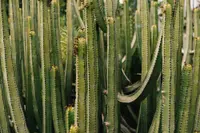
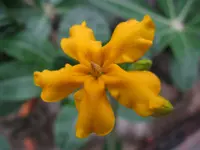
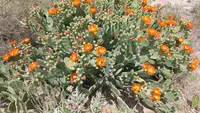
Opuntia megapotamica is a shrubby cactus species known for its flattened, paddle-like stems and sparse but sharp spines. It forms low, branching clumps rather than a tall central stem. Native to parts of South America, it typically grows in open, sunny habitats with well-drained, often rocky or sandy soils. The plant is drought-tolerant and stores water in its fleshy pads, which makes it relatively forgiving of irregular watering. For those learning how to care for Opuntia megapotamica, its main needs are strong light, free-draining soil, and protection from prolonged cold or excessive winter moisture.

Main Plant Requirements

Care Difficulty

Easy Care

Light Preference

Full Sun

Water Requirements

Low Water

Temperature Preference

Warm Climate

Hardiness Zone

8–11

Soil Texture

Sandy, Loamy, Rocky

Soil pH

Slightly acidic (6.5–7.0), Neutral (7.0)

Soil Drainage

Well-drained

Fertilization

Minimal (feed rarely)

Get Personalized Care Plan

Scan your plant to receive care tips personalized for your specific plant

Available on iOS and Android

How to Care for the Opuntia megapotamica

This cactus thrives in strong light and benefits from consistent direct sun exposure.

  • Provide 6–8 hours of direct sun daily, ideally with morning sun and some protection from harsh late-afternoon summer sun in very hot regions.
  • Plant Opuntia megapotamica in an open, unshaded spot; it tolerates light partial shade but growth and flowering decrease with less than 4 hours of sun.
  • Watch for stress signs: pale, elongated pads indicate too little light, while bleached, brown-scarred pads suggest intense, scorching sun exposure.

This species stores water in its pads and needs infrequent but deep watering.

  • Allow the top 5–8 cm of soil to dry completely before watering; in hot, dry weather this may mean watering every 10–21 days, depending on soil and exposure.
  • Use very well-drained, gritty soil so water runs through quickly; avoid saucers or low spots where water can stand around roots.
  • Reduce watering sharply in cool seasons; wrinkling pads signal mild thirst, while soft, yellowing pads and a musty smell indicate overwatering and possible rot.

This cactus prefers warm, dry conditions and tolerates a fairly wide temperature range.

  • Aim for active growth in 70–90°F (21–32°C); brief peaks up to 100°F (38°C) are tolerated if soil drains well and airflow is good.
  • Protect from hard frost; pads are usually damaged below about 23–25°F (-5 to -4°C), especially in wet soil or prolonged cold spells.
  • In regions with winter lows above 25°F (-4°C), plants can overwinter outdoors; in colder climates, grow Opuntia megapotamica in containers that can be moved to a cold, bright, frost-free area.

This cactus tolerates a wide humidity range and rarely needs special adjustment in homes.

  • Aim for 30–50% humidity, similar to typical indoor air in heated or air-conditioned rooms.
  • Dry air is usually harmless; problems arise more from overwatering than from low humidity.
  • True humidity stress shows as soft, rotting pads from excess moisture rather than crisp, dry pads from low humidity.

This species needs very fast-draining, mineral-rich soil to prevent root and pad rot.

  • Use a gritty mix of 50–70% inorganic material such as coarse sand, pumice, or perlite, with 30–50% cactus potting mix.
  • Aim for slightly acidic to neutral pH around 6.0–7.0, which supports nutrient uptake without encouraging rot.
  • Improve aeration by using large, coarse particles (3–6 mm) and avoiding fine peat that compacts and holds water.
  • Avoid dense, clay-heavy, or moisture-retentive mixes that stay wet longer than 1–2 days after thorough watering.

This species is well suited to container growing when the pot is chosen for drainage and stability.

  • Select a wide, relatively shallow pot to accommodate spreading roots and offset pads without trapping moisture deep in the soil profile.
  • Choose unglazed terracotta if extra evaporation is needed in humid or cool climates to lower rot risk after watering.
  • Use a heavy or low, broad container shape outdoors to prevent the plant from tipping as pads gain weight and catch wind.

This cactus benefits from light feeding but Opuntia megapotamica is adapted to lean, well-drained soils.

  • Use a balanced cactus fertilizer or low-nitrogen slow-release product at half strength in spring and early summer.
  • Feed every 6–8 weeks during active growth only, on already moist soil to prevent root burn.
  • Avoid high-organic compost mixes that stay wet; they increase rot risk in containers.
  • Stop fertilizing in late summer so growth hardens before cooler weather and winter rest.

Pruning is mainly used to manage size and remove damaged pads on Opuntia megapotamica.

  • Best time is late winter to early spring, before strong new growth starts.
  • Remove dead, diseased, storm-damaged, or badly scarred pads first to reduce infection risk.
  • Thin crowded, crossing pads to improve light and air flow, which stabilizes the plant and reduces rot.
  • Use long-handled loppers or a sharp knife plus thick gloves, cutting at pad joints and allowing wounds to dry.

Container-grown plants and young outdoor specimens need infrequent but careful repotting or transplanting.

  • Repot or transplant when roots circle the pot, growth slows, or the plant becomes unstable and leans.
  • Plan moves for late spring to early summer, once nights stay reliably warm and soil is dry to slightly moist.
  • For containers, shift only 1 pot size up every 3–4 years, using gritty cactus mix to avoid waterlogging.
  • Handle pads with tongs or folded newspaper, disturb roots as little as possible, and keep soil barely dry for 5–7 days afterward.

This species is commonly multiplied by pad cuttings, with seeds used mainly for breeding or large-scale growing.

  • Take healthy, mature pads in late spring or early summer and detach cleanly at the joint.
  • Let cut surfaces callus for 5–10 days in a dry, shaded place before planting.
  • Insert pads upright into a gritty, fast-draining mix and keep at 70–80°F with bright indirect light.
  • Water very lightly until firm resistance indicates rooting, then transition gradually to normal cactus watering.

Established plants are fairly cold tolerant but young or potted Opuntia megapotamica may need basic winter management.

  • In-ground plants tolerate light frosts but can be damaged by prolonged freezes combined with wet soil.
  • Apply a light gravel or coarse sand mulch around the root zone to improve drainage rather than retain moisture.
  • Move containers under cover or indoors to a bright, cool, very dry spot before hard freezes.
  • Keep winter watering minimal, just enough to prevent severe shriveling, to reduce cold-related root rot.

Care Tips

Rootzone heat management

In hot climates, place the pot inside a slightly larger, light-colored cachepot or use a top dressing of light gravel to keep roots cooler and reduce stress during extreme heat waves.

Spine-safe handling

Use folded newspaper, thick foam, or grill tongs to hold pads when planting or repotting, and keep a roll of duct tape or a lump of poster putty on hand to lift out tiny glochids from skin if contact occurs.

Controlled pad propagation

When taking cuttings, select firm, mature pads, allow the cut surface to dry and callus for 7–14 days in a shaded, airy spot, then insert only the lowest 1–2 cm into dry, gritty substrate to prevent rot.

Winter wet protection

In areas with cool, wet winters, tilt container-grown plants slightly or use pot feet so excess water drains quickly, and if heavy rain is forecast, move pots under an overhang to keep pads dry and reduce fungal issues when caring for Opuntia megapotamica.

Calcium and structure

If planting outdoors in calcareous or slightly alkaline soils, leave small limestone chips or crushed, rinsed gravel in the planting zone to support pad firmness and long-term structural strength without frequent fertilization.

Common Pests and Diseases

Cochineal scale

This pest appears as white, cottony or crusty patches on the pads where insects hide under waxy coverings and suck sap, causing yellowing and weakened growth.

Solution

Remove heavily infested pads with clean pruners and dispose of them, then scrub remaining pads with a stiff brush and water or dilute alcohol to dislodge insects and their coverings. Keep plants in full sun with good air movement and avoid excess nitrogen, which encourages soft, susceptible growth.

Cactus longhorn beetle

This pest is a large dark beetle whose larvae bore into pads and stems, causing collapse, oozing tissue, and dieback of sections of the cactus.

Solution

Inspect plants regularly at dusk and hand-pick adult beetles, then destroy and discard any bored or collapsing pads to remove larvae. Maintain plants in strong sun and avoid leaving cut or damaged tissue on the ground, which attracts egg-laying adults when growing Opuntia megapotamica outdoors in warm regions.

Spider mites

These insects are tiny sap-feeders that create fine webbing on pads, leading to a dusty appearance, stippling, and dull, stressed-looking tissue in hot, dry conditions.

Solution

Rinse pads thoroughly with a firm stream of water, focusing on webs and crevices, and repeat every few days until activity drops. Increase ambient humidity around potted plants slightly, then use insecticidal soap or a horticultural oil labeled for cacti if populations remain high.

Fungal stem spot

This disease causes small sunken brown to black spots on pads that may expand and merge, sometimes with a dark margin and slightly corky texture as tissue dies.

Solution

Prune out and discard affected pads, cutting into healthy tissue with sterilized tools, and keep the plant in a bright, airy, low-humidity location. Water at the soil level, keep pads dry, and avoid overhead watering; in severe outdoor cases, a sulfur- or copper-based fungicide can be used according to label directions.

Bacterial soft rot

Symptoms include water-soaked, foul-smelling areas on pads that quickly turn mushy and collapse, often starting at a wound or damaged spot.

Solution

Immediately cut away all affected tissue well into firm, healthy flesh and discard it, then let the cut surfaces dry and callus in a warm, dry, shaded place. Reduce watering, avoid any water standing on pads, and protect plants from mechanical damage or frost injury that opens entry points for bacteria.

Interesting Facts

Southern Brazil native

This cactus is naturally distributed in riparian and rocky habitats of southern Brazil, especially along the Rio Grande do Sul region, where it experiences cooler, more humid conditions than many desert Opuntia species.

Shrubby growth habit

Unlike many low, pad-forming prickly pears, this species often develops into a shrubby or small tree-like plant with branched, upright segments, giving it a more woody, bushy silhouette over time.

Hardy to cooler climates

In its native range it tolerates occasional light frosts and cooler temperatures compared with many tropical cacti, which makes Opuntia megapotamica care suitable for outdoor cultivation in some mild temperate regions.

FAQs about Opuntia megapotamica

Growth is generally moderate for a hardy prickly pear. In favorable outdoor conditions, pads may lengthen by 5–15 cm per year. Cooler climates, poor drainage, or container restriction slow extension growth and overall clump expansion significantly.

Grow Healthy Plants with Botan Care

Keep your plants happy and healthy with plant identification, disease detection, and easy care guidance.

Botan plant care app — identify plants on mobile

Explore More Plants