Rotate For Symmetry
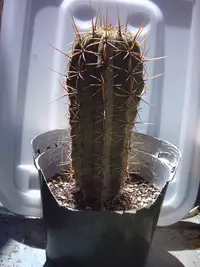
Turn the pot 90° every 2–3 weeks so the stems receive even light and develop a balanced, upright clump instead of leaning toward one side.

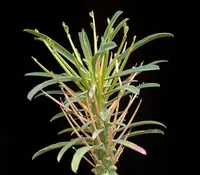
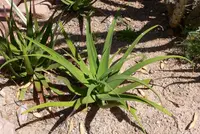
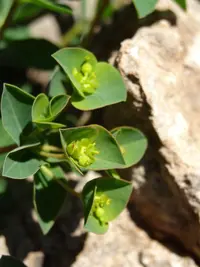
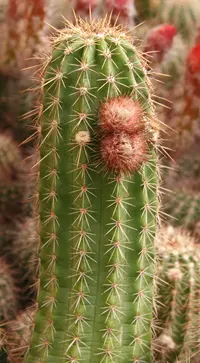
Hedgehog milkbush (Euphorbia loricata) is a small, shrubby succulent from arid regions of South Africa. It forms upright, spine-tipped stems with narrow leaves that may drop in dry conditions. The plant has a strong architectural look and stays compact, which suits windowsills and bright indoor spaces. It produces small, pale yellow to green cup-shaped flowers typical of many Euphorbia species. This species is generally undemanding as long as it receives strong light, a fast-draining gritty soil, and careful watering that allows the root zone to dry between waterings. Those conditions make it relatively easy to care for Hedgehog Milkbush for growers who can provide plenty of sun and avoid overwatering.

Care Difficulty
Easy Care

Light Preference
Full Sun

Water Requirements
Low Water

Temperature Preference
Tropical / Frost Sensitive

Hardiness Zone
10–11

Soil Texture
Sandy, Loamy, Rocky

Soil pH
Slightly acidic (6.5–7.0), Neutral (7.0)

Soil Drainage
Well-drained

Fertilization
Minimal (feed rarely)
Scan your plant to receive care tips personalized for your specific plant
Available on iOS and Android
This species prefers bright, open conditions similar to its native habitats.
Euphorbia loricata behaves like a drought-tolerant succulent with low water demand.
This plant favors warm, dry conditions and has limited cold tolerance.
This species handles typical indoor humidity well and rarely needs special adjustment.
This drought-adapted succulent needs a very fast-draining, mineral-based potting mix.
This species is well suited to container culture for controlled watering and drainage management.
Euphorbia loricata benefits from light, controlled feeding rather than heavy fertilization.
Euphorbia loricata appreciates occasional structural pruning to maintain a compact, healthy shape.
This species prefers a stable container environment and only needs infrequent repotting.
Euphorbia loricata is most often propagated from stem cuttings taken during warm months.
This plant is frost sensitive and needs specific winter care, especially in cooler climates.

Plant Health Check
Not sure what's wrong with your plant? Check your plant's health inside the app.
This species develops stiff, narrow, upward-pointing stems with thickened, persistent leaf bases that give it a rigid, almost armored look, reflected in the name loricata, which means wearing a cuirass in Latin. These hardened bases help protect the photosynthetic stem tissue from grazing and physical damage in its native habitats.
It carries small, narrow leaves mainly near the growing tips, but these are shed as stems age, leaving older portions mostly leafless. The stem then becomes the main photosynthetic surface, an adaptation that reduces water loss in dry conditions.
Like other spurges, this species produces cyathia, which are highly modified flower-like structures rather than true single flowers. Each cyathium combines reduced male and female flowers in a single cup, often with small nectar glands that attract pollinators in its South African range.
This species grows best outdoors in warm, bright, frost-free climates, where light and airflow stay high. Indoors it is possible but slower and more prone to rot, so containers and very bright, dry conditions are essential for success.
Keep your plants happy and healthy with plant identification, disease detection, and easy care guidance.